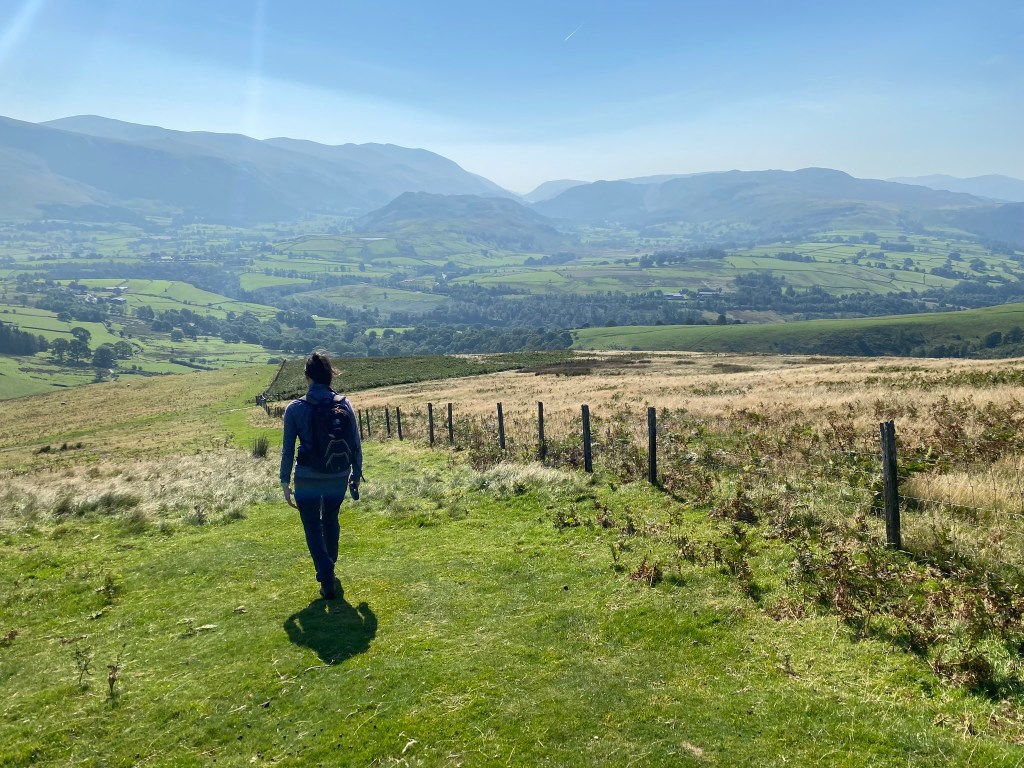
Sheep grazing in upland areas has a significant impact on the ecology of these landscapes. Uplands, typically characterized by mountainous or high-altitude regions, often feature sensitive ecosystems with a range of plant and animal species that can be greatly affected by livestock grazing. Here are some key ecological impacts of sheep on upland environments:
1. Vegetation Changes
- Overgrazing: Sheep tend to graze selectively on certain plants, often preferring grasses and certain herbs over others. This can lead to the dominance of less palatable species like heather, rushes, or invasive species, while reducing the diversity of native plants such as wildflowers and shrubs.
- Reduction in biodiversity: Intensive sheep grazing can reduce plant biodiversity, as continuous grazing prevents certain plants from growing and reproducing. This leads to a simplification of plant communities, which can have cascading effects on other species.
- Prevention of tree regeneration: Sheep often eat young tree seedlings, inhibiting natural forest regeneration. This affects the natural succession of upland areas, preventing the development of woodlands and maintaining a more open, grassy landscape.
2. Soil and Erosion
- Soil compaction: The trampling of soil by sheep can lead to compaction, reducing the soil’s ability to absorb water. This can increase surface runoff, contributing to soil erosion and loss of organic matter, which in turn affects plant growth.
- Erosion and runoff: Grazing in upland areas can increase the risk of soil erosion, especially on steep slopes. The loss of vegetation cover due to overgrazing leaves the soil exposed to wind and water erosion, which can lead to degraded landscapes and loss of fertile topsoil.
- Peatland degradation: In upland areas with peat soils, heavy grazing can damage peatlands, which play a critical role in carbon storage. The trampling and grazing of vegetation on peat bogs can lead to the drying out of peat, releasing stored carbon and contributing to greenhouse gas emissions.
3. Impact on Wildlife
- Bird populations: Upland areas are home to a range of bird species, including ground-nesting birds like curlews and golden plovers. Overgrazing by sheep can reduce the availability of suitable nesting habitats, and the trampling of nests may directly impact bird populations.
- Invertebrates and small mammals: The reduction in plant diversity and cover can also affect invertebrate populations, which are dependent on a varied and rich vegetation structure. This, in turn, impacts predators such as small mammals and birds that rely on these invertebrates for food.
4. Water Quality and Hydrology
- Pollution from runoff: Overgrazed land can lead to increased runoff into nearby streams and rivers, carrying sediment, nutrients, and even pollutants like animal waste into water bodies. This can degrade water quality, affecting aquatic ecosystems and human water supplies.
- Altered hydrological cycles: By affecting vegetation cover and soil structure, sheep grazing can also alter the hydrology of upland areas. This may contribute to changes in water retention, increase flooding downstream, and reduce the ecosystem’s ability to regulate water flow.
5. Carbon Sequestration
- Reduction in carbon storage: Overgrazed upland areas, particularly peatlands, are significant carbon stores. Degraded vegetation and soils result in reduced carbon sequestration capacity, which contributes to climate change. Restoration of upland areas often includes reducing grazing pressure to allow peat and vegetation to recover, enhancing their role as carbon sinks.
6. Ecosystem Resilience and Restoration
- Habitat restoration: In some areas, reducing or removing sheep grazing has been used as a management strategy to restore upland habitats. This can lead to the recovery of native vegetation, improved biodiversity, and greater ecosystem resilience to climate change and other stressors.
- Rewilding efforts: Some conservation initiatives are focused on rewilding, which often involves reducing or removing grazing pressures to allow natural processes like forest regeneration and the return of keystone species to occur. Sheep can sometimes be replaced by wild herbivores to mimic natural grazing patterns.
Conclusion
Sheep have a profound impact on upland ecology, especially when stocking densities are high. While they play a role in shaping traditional agricultural landscapes, overgrazing can lead to significant ecological degradation. Management practices that balance grazing with conservation goals, such as rotational grazing, reduced stocking rates, or the exclusion of grazing from sensitive areas, can help mitigate these negative impacts and promote a healthier, more resilient upland ecosystem.


 Andrew Chick Ecology
Leave a comment