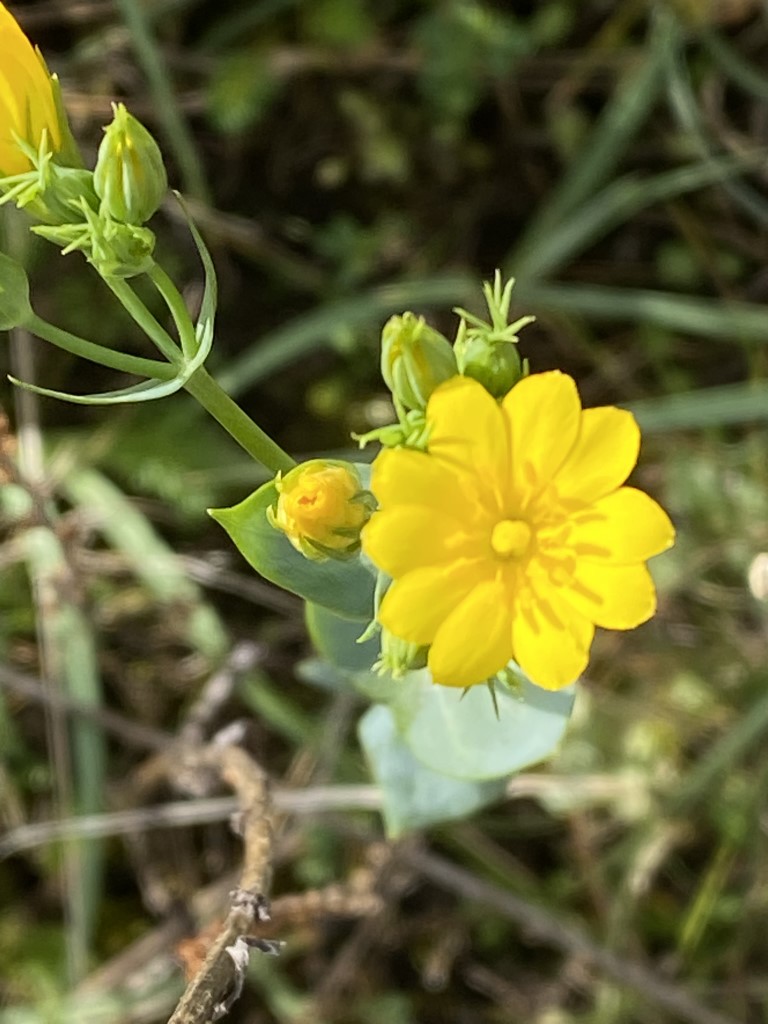
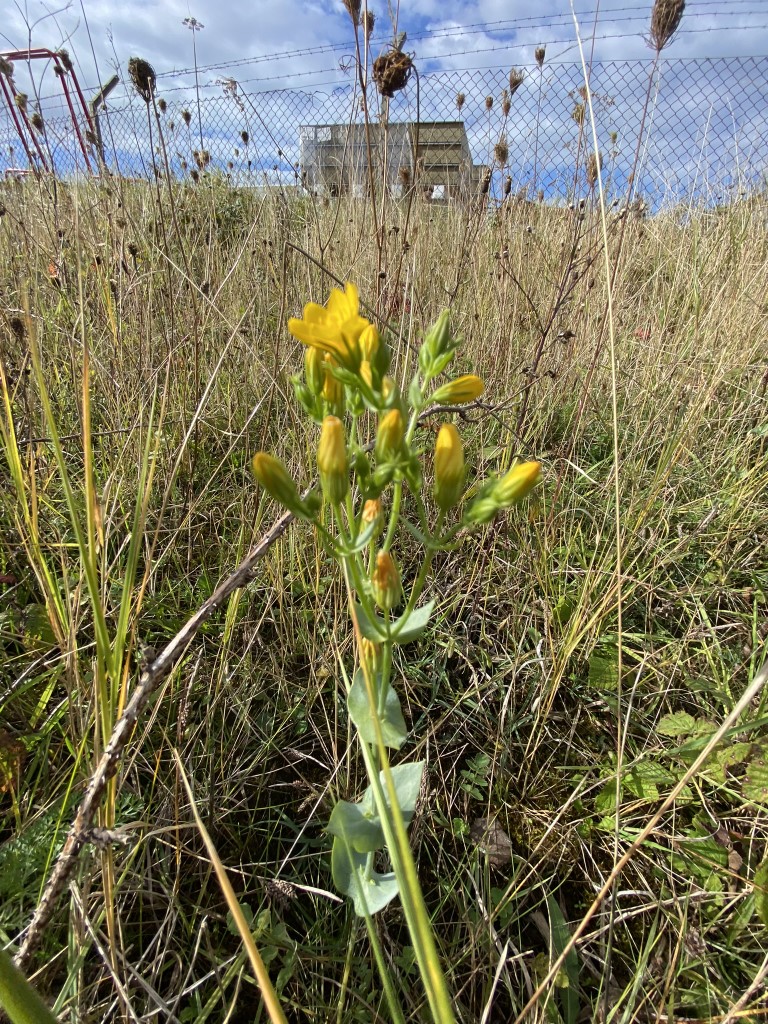
Yellow-wort (Blackstonia perfoliata) is a small flowering plant that belongs to the gentian family, Gentianaceae. It is native to Europe, particularly found in grasslands, chalky soils, and limestone areas.
In Cumbria it is found in the south of the county, most around Barrow-in-Furnace.
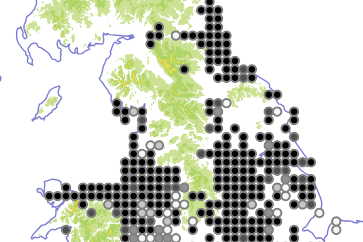
Here are a few more details;
Key Features:
- Flowers: Yellow-wort has bright yellow, star-shaped flowers with 6–8 petals. The flowers tend to open only during sunny weather, typically closing in the evening and in cloudy conditions.
- Leaves: One of its distinctive features is its perfoliate leaves, meaning the leaves appear to encircle the stem, making it seem like the stem passes directly through them. The leaves are a gray-green color and grow in pairs.
- Height: The plant grows to about 10–40 cm tall.
- Flowering Period: Yellow-wort blooms from June to September.
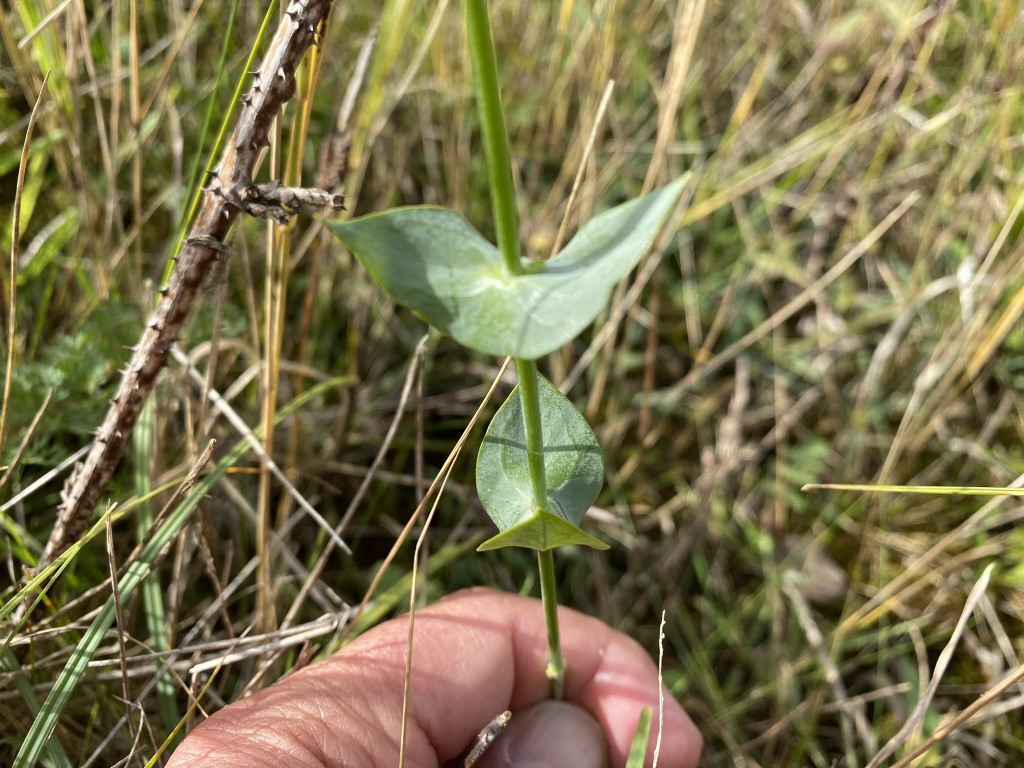
Image shows the leaves encircling the stem.
Habitat:
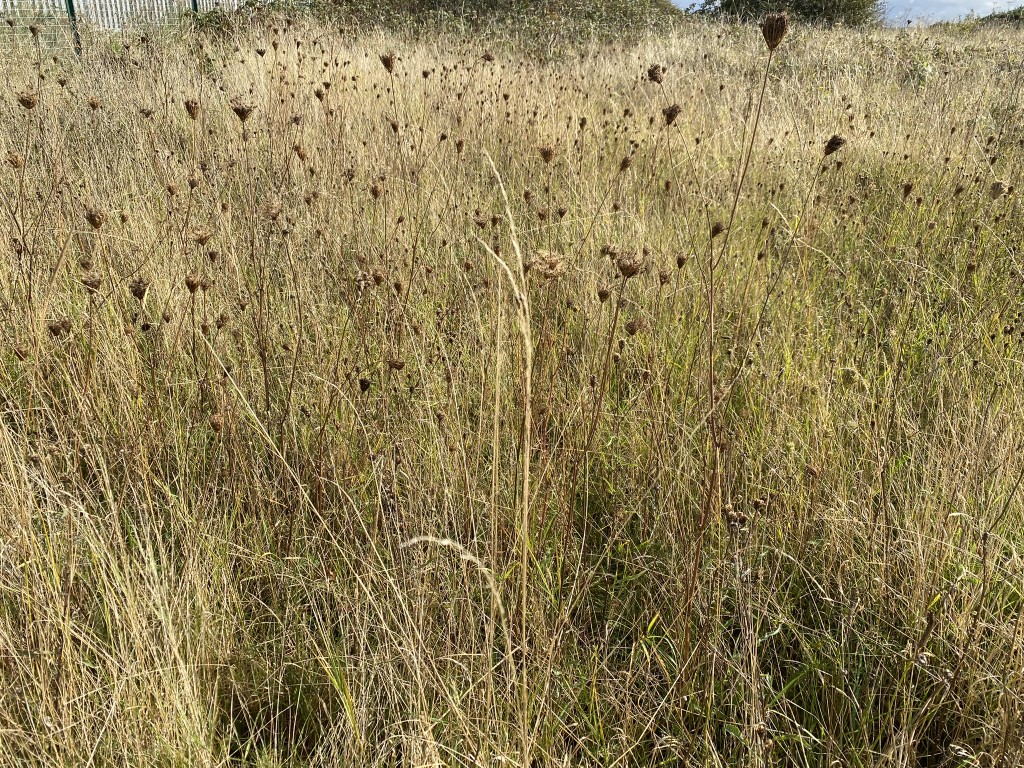
Yellow-wort thrives in dry, calcareous soils, often found in grassy meadows, roadside verges, and open woodlands, especially on chalk and limestone hillsides.
Typical Cumbrian habitat shown in the image below with wild carrot.
Importance:
- Ecological role: As a native wildflower, Yellow-wort provides nectar for pollinating insects, particularly bees and butterflies.
- Herbal Uses: Historically, it was used in herbal medicine, though it’s not commonly used today.
It is named after the 18th-century botanist John Blackstone, who first classified it.


 Andrew Chick Ecology
Leave a comment