
Over-tourism has become a growing issue for many of the world’s most popular destinations. The pressures created by mass tourism are taking a toll on the very places visitors come to enjoy, threatening the unique character, cultural heritage, and natural beauty of these locations. Local communities, including farmers and landowners who often receive little or no income from tourism, bear much of the burden. The natural environment, wildlife, and wild spaces are also under increasing strain.
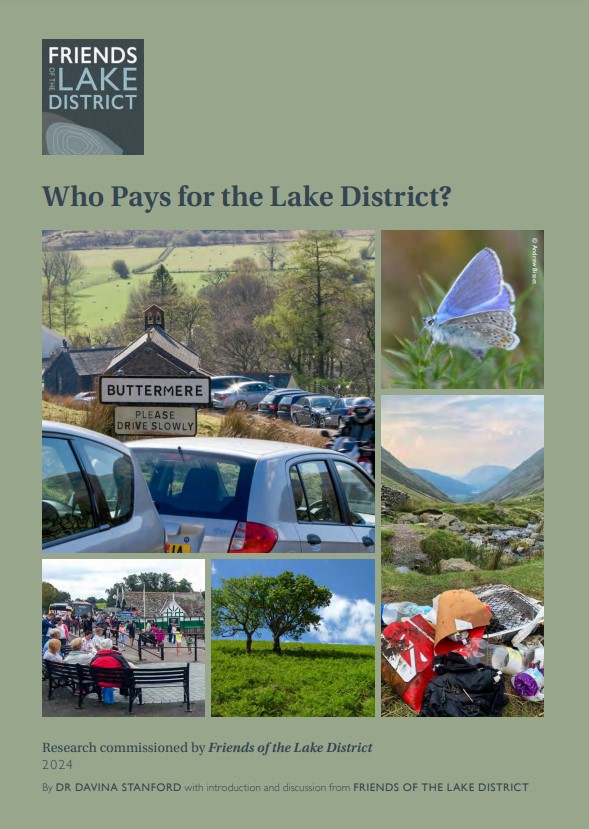
In the Lake District National Park, a study by Friends of the Lake District, Who Pays for the Lake District, sheds light on the challenges and costs associated with mass tourism. It highlights the urgent need for investment in the region’s crumbling infrastructure—not only to address the visible impacts of tourism but to preserve and restore the qualities that make the Lake District so special.
One of the most pressing questions is how to fund the necessary measures to mitigate the impacts of tourism. It’s only fair that the tourism industry, which benefits directly from these destinations, contributes to their upkeep. Encouragingly, research shows that most visitors are willing and able to contribute financially to preserving these special places.
The report explores options for a visitor payback or levy scheme, which could provide a sustainable source of revenue. Such an approach would allow tourism to support the preservation of natural beauty and cultural heritage, ensuring these places remain enjoyable for future generations.
A fair and transparent levy system to fund the maintenance and restoration of the Lake District’s unique qualities is needed. For this to succeed, the government must step in to establish a legislative framework that empowers local authorities to implement such a scheme.
A key component of this system is fairness—ensuring a level playing field across the tourism sector. Additionally, transparent governance will be critical to ensure funds are directed toward projects that benefit local communities and address the priorities of environmental restoration, rather than simply filling existing budget gaps.
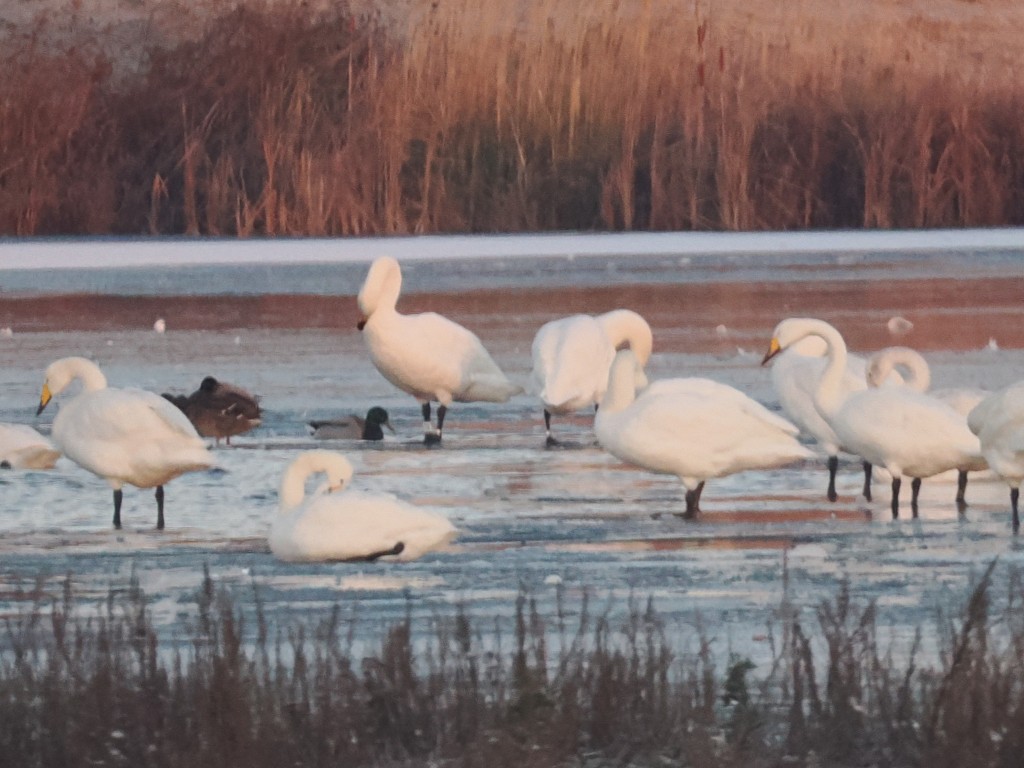
One of the most urgent needs a visitor contribution scheme could address is the restoration of wildlife and wild spaces. By raising new revenue sources to repair the damage caused by over-tourism and protect the treasured places for generations to come.


 Andrew Chick Ecology
Leave a comment