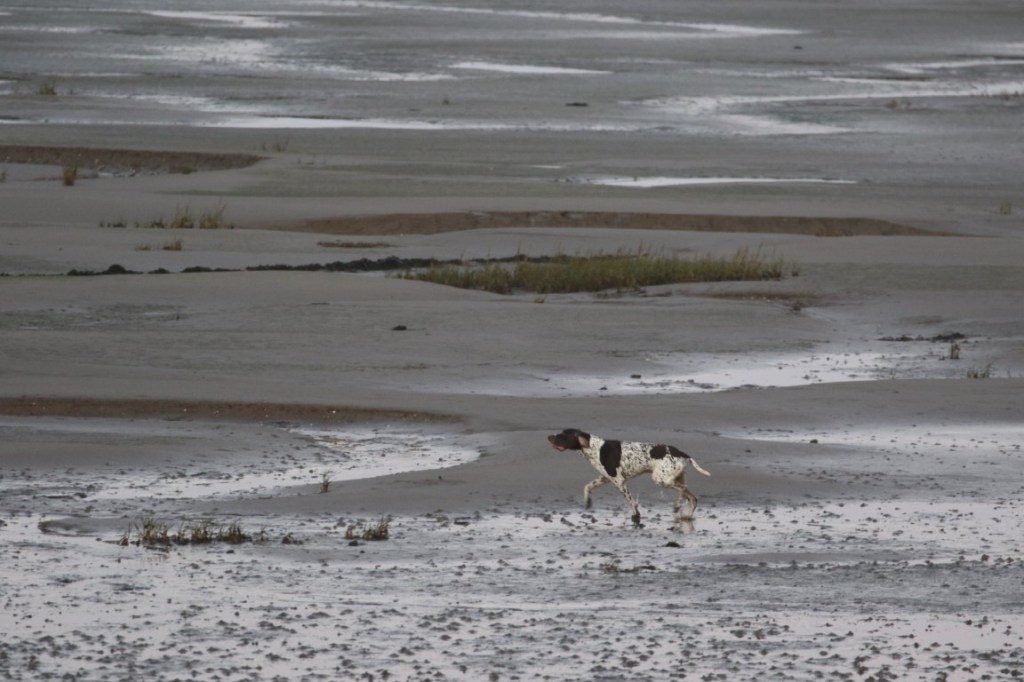
Photo shows one of a number of large birds chasing Brent Geese on Morecambe Bay and Duddon Estuary SPA SAC RAMSAR site (Barrow-in-Furnace) 05/12/24
Saltmarshes, critical coastal ecosystems, provide habitat for a wide variety of plant and animal species, including many bird species protected under the European Union’s Special Protection Areas (SPAs). These areas are designated to conserve habitats for migratory and endangered birds. However, human activities, including the seemingly harmless act of walking dogs, can inadvertently disrupt these fragile ecosystems.
Dogs and Saltmarsh Birdlife
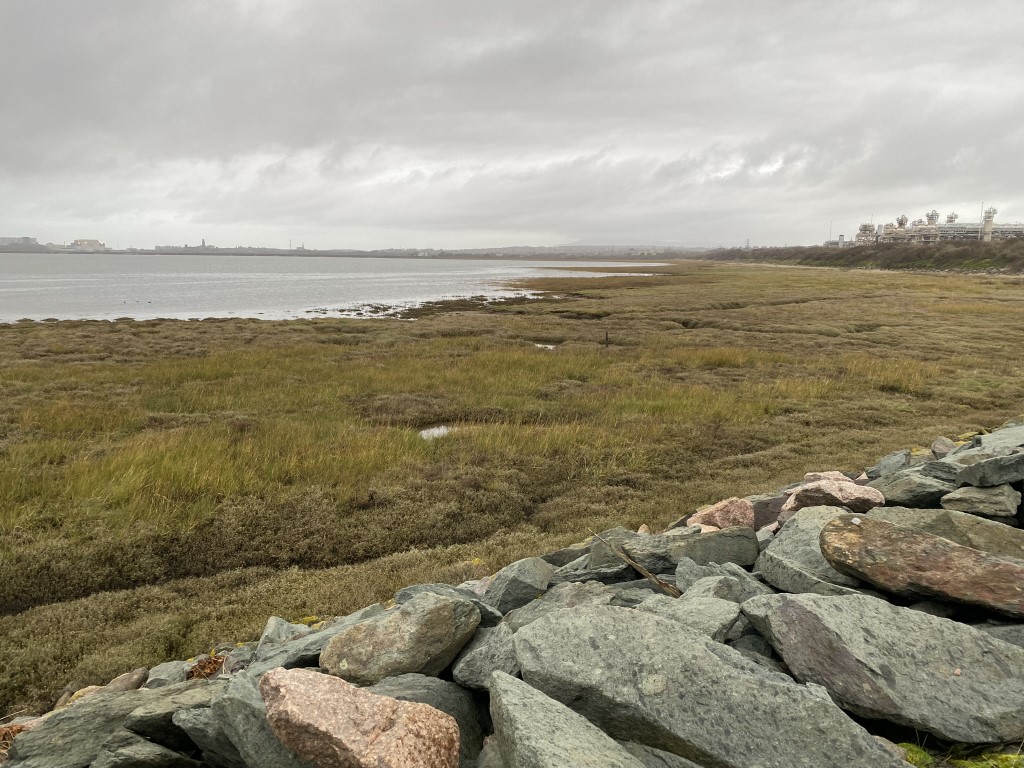
Saltmarshes are vital habitats for wintering birds due to their unique ecological features and the resources they offer. These coastal wetlands provide a combination of food, shelter, and relatively undisturbed spaces that are essential for birds during the colder months.
Dogs chasing birds on saltmarshes can have significant ecological consequences. Ground-nesting birds such as curlews, redshanks, and oystercatchers are particularly vulnerable. When dogs chase or even approach these birds, it can cause stress and force them to flee their nests. Prolonged disturbances can lead to:
- Nest Abandonment: Birds may abandon their nests entirely, leaving eggs or chicks vulnerable to predation or extreme weather.
- Energy Depletion: Fleeing from predators, even perceived ones like dogs, drains birds’ energy reserves. This is especially detrimental during migration and breeding seasons when energy is critical.
- Reduced Foraging Time: Disturbances limit the time birds spend feeding, impacting their ability to gain sufficient nutrients for survival and reproduction.
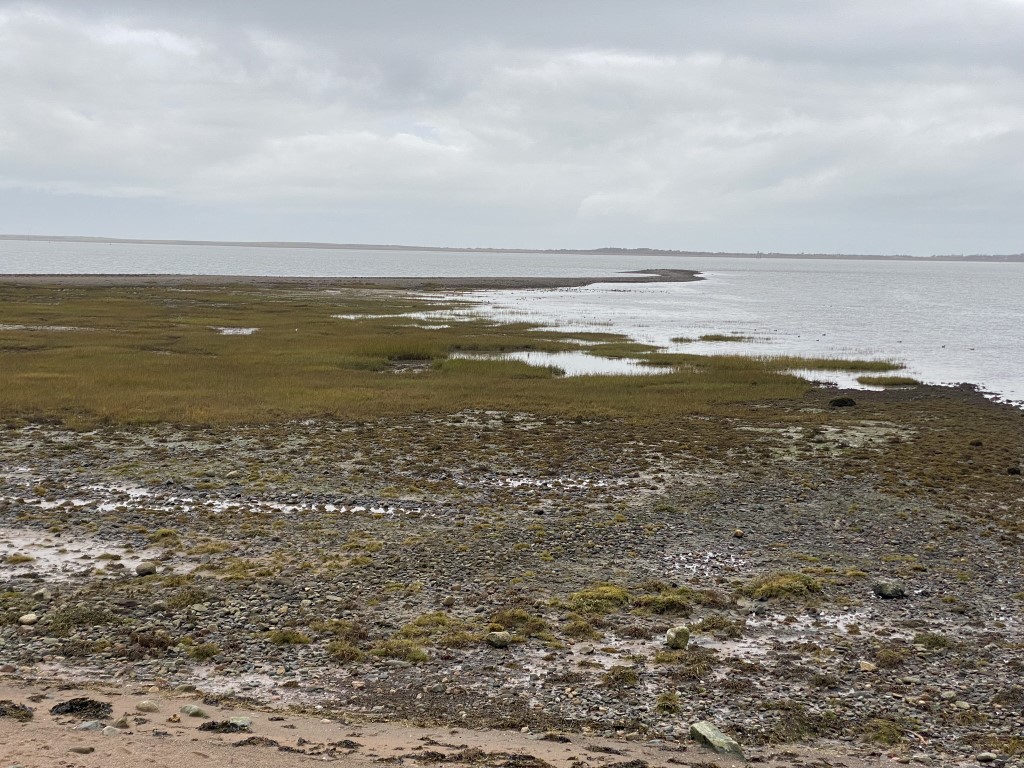
Ecological Impacts on Saltmarshes
Saltmarshes themselves are delicate ecosystems. When dogs chase birds, their movements often lead them off established paths, causing damage to the vegetation and soil. Trampling can:
- Erode the Saltmarsh: Vegetation binds the soil, preventing erosion. Damage to this vegetation can accelerate habitat degradation.
- Disturb Sediment Layers: Saltmarshes depend on stable sedimentation. Disruption can harm microhabitats for invertebrates, key food sources for birds.
Protected Areas and Conservation Goals
SPAs are designed to ensure the survival of protected bird species and the integrity of their habitats. Disturbances from dogs chasing birds undermine these goals, making it challenging to maintain the ecological balance necessary for these areas.
Under the European Birds Directive, member states are required to safeguard SPAs from activities that could damage their ecological character. Public awareness and enforcement of restrictions, such as leash laws and designated dog-walking areas, are crucial for achieving this aim.
Many birds use saltmarshes as stopover points during their migrations. In winter, these habitats become critical for species that have traveled long distances to escape colder climates in the Arctic or northern Europe. These stopovers allow birds to replenish their energy reserves before continuing their journey or settling in for the season.
Saltmarshes are incredibly productive ecosystems, supporting a wide range of plants, invertebrates, and fish. This abundance makes them an ideal feeding ground for wintering birds, especially:
- Waders (e.g., curlews, redshanks, dunlins): Feed on worms, crustaceans, and mollusks in the mudflats adjacent to saltmarshes.
- Ducks and Geese (e.g., brent geese, wigeons): Graze on saltmarsh vegetation, algae, and other aquatic plants.
- Predatory Birds (e.g., marsh harriers, peregrine falcons): Hunt smaller birds or mammals sheltering in the marsh.
Mitigation Strategies
To reduce the impact of dogs on saltmarsh SPAs, the following strategies can be implemented:
- Education Campaigns: Inform dog owners about the importance of keeping dogs leashed in sensitive areas and the ecological impacts of disturbances.
- Clear Signage: Install signs at entry points to SPAs, highlighting the rules and reasons for restrictions.
- Designated Dog Zones: Provide alternative areas for off-leash activities, ensuring dogs have recreational spaces that do not conflict with wildlife conservation.
- Enforcement: Employ rangers or wardens to monitor SPAs and ensure compliance with regulations.
Conclusion
Dogs are beloved companions, but their interactions with wildlife must be managed carefully, particularly in protected areas like saltmarsh SPAs. By raising awareness, promoting responsible behavior, and implementing protective measures, we can ensure the coexistence of human recreation and wildlife conservation. Preserving these habitats is not only vital for bird species but also for the broader ecological benefits saltmarshes provide, such as flood defense and carbon sequestration. Responsible stewardship of these ecosystems is essential for their survival and the countless species that depend on them.

 Andrew Chick Ecology
Leave a comment