
The Common Gull: A Not-So-Common Coastal Beauty
The Common Gull Larus canus is a graceful, medium-sized gull that adds charm to both coastal and inland landscapes. Despite its name, the Common Gull is less abundant in some regions than its larger relatives, like the Herring Gull, making its name a bit misleading!
A Closer Look at the Common Gull
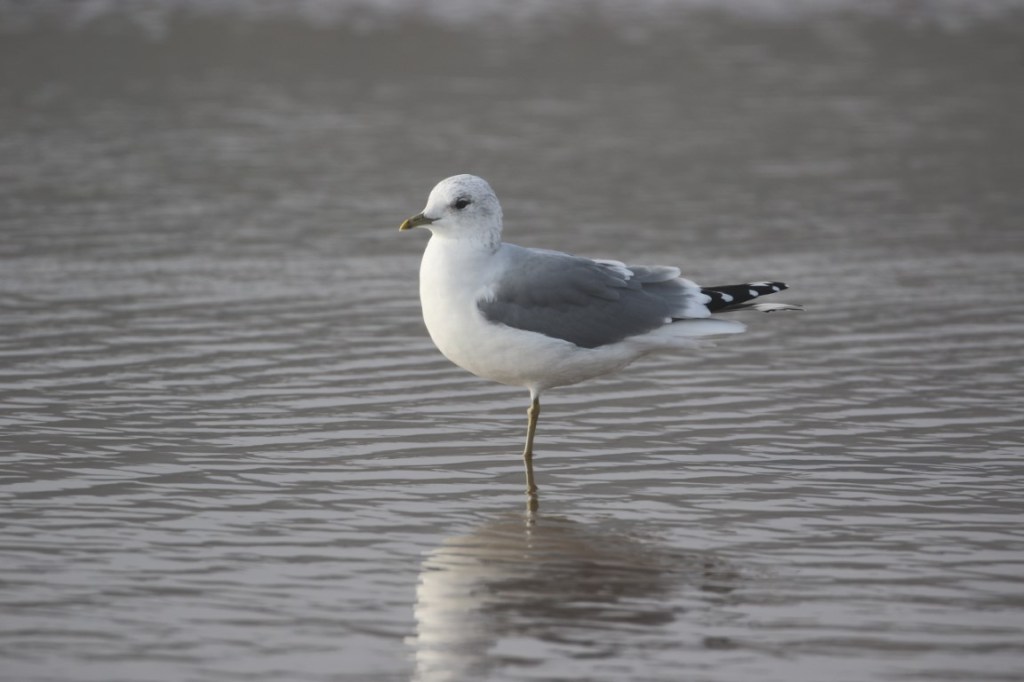
With its clean white head, light gray back, and slim yellowish beak, the Common Gull is a picture of subtle elegance. Juveniles, in contrast, sport mottled brown plumage, gradually transitioning to adult colors over three years. At about 40–46 cm long, it is smaller and more delicate in appearance than the assertive Herring Gull.
Where to Spot Them
Common Gulls are highly adaptable and can be found in a variety of habitats. They frequent coastal areas, wetlands, farmland, and even urban parks. During the breeding season, they prefer grassy areas near water, nesting in colonies on the ground. In winter, you might spot them gathering in flocks along estuaries or fields, foraging for worms, insects, and scraps.
Behavior and Diet
Unlike their larger and louder cousins, Common Gulls are relatively shy and less aggressive. They have a varied diet, eating everything from small fish and earthworms to berries and human leftovers. In winter, it’s not uncommon to see them trailing behind tractors, snacking on insects unearthed by the plow.
A Vital Part of the Ecosystem
Although classified as a species of “Least Concern,” Common Gulls are important indicators of environmental health. Their presence in both natural and human-made habitats highlights their adaptability and their role in maintaining ecological balance.
Next time you’re near the coast or countryside, keep an eye out for these understated yet fascinating birds. The Common Gull may not always steal the spotlight, but it’s a reminder of nature’s quiet beauty and resilience.


 Andrew Chick Ecology
Leave a comment