
The Lake District, a UNESCO World Heritage Site and one of the UK’s most treasured landscapes, is increasingly feeling the effects of climate change. According to the Lake District National Park Authority, the impacts are both significant and wide-ranging, threatening the region’s unique ecosystems and its iconic natural beauty.
Key Climate Challenges in the Lake District
- Species Loss
The mountain ringlet butterfly and the Arctic charr, a cold-water fish that has thrived in Windermere since the Ice Age, are at risk of local extinction as rising temperatures push species beyond their survival limits. - Shrinking Upland Habitats
As habitats migrate upwards due to warming, the available space for upland species becomes smaller, leaving them more vulnerable to extinction. - Invasive Non-Native Species
Plants like Himalayan balsam, Japanese knotweed, and pygmy weed are spreading rapidly, outcompeting native species. Additionally, climate change could bring unwelcome pests and diseases, such as Bluetongue, a cattle disease linked to midges first recorded in the UK in 2007. - Lake Changes
Falling summer lake levels, poorer water quality, and increased toxic algae blooms are already being observed. Erosion from heavy rainfall exacerbates siltation, and rising midge populations may further affect recreational use of the lakes. - Threatened Woodlands
Storm damage, summer droughts, and shifts in species adaptability are changing the character of woodlands. Iconic trees may struggle to survive as climate conditions shift. - Drying Peatlands
The Lake District’s peat bogs, vital for storing carbon, face drying during hot summers. This could release significant amounts of carbon into the atmosphere, worsening global warming. Footpath erosion from heavy visitor traffic also damages these sensitive areas. - Extreme Weather Events
Storms, floods, droughts, and wildfires are becoming more frequent. Storm Desmond in 2015 caused £500 million in damages, while Storm Arwen in 2021 devastated 35 hectares of trees. - Footpath Erosion
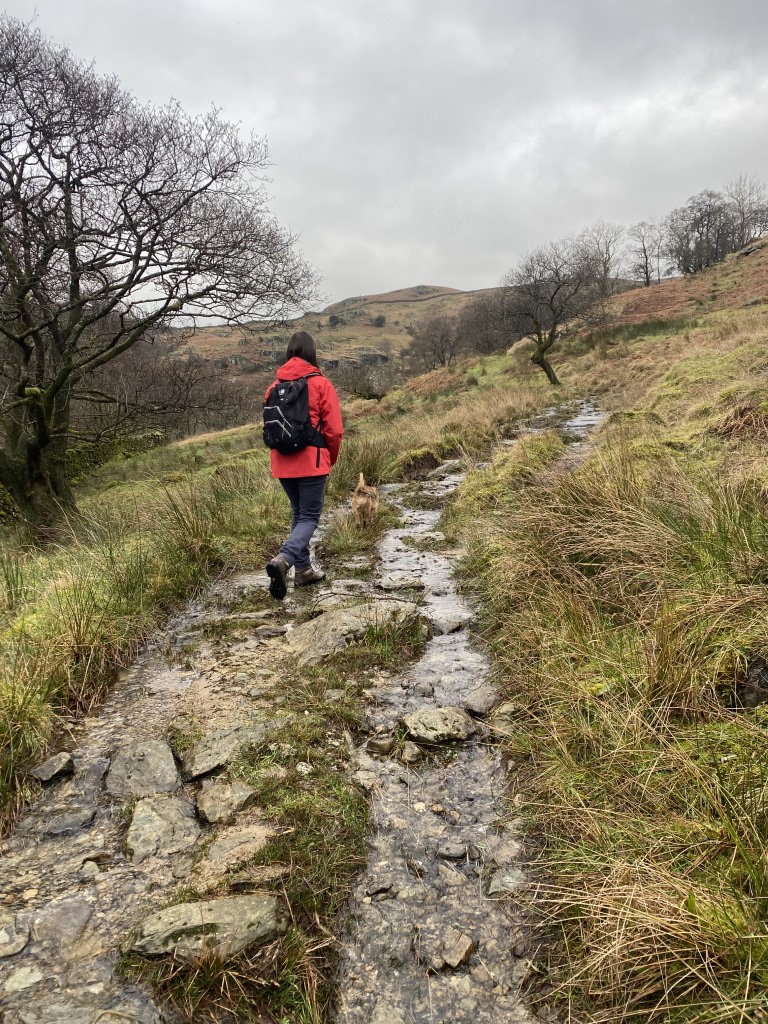
Heavy winter rains intensify erosion of the Lake District’s famous walking trails, affecting accessibility and leading to costly repairs.
What Can Be Done?
Protecting the Lake District from the worst effects of climate change requires collective action. Conservation efforts, sustainable tourism, and reducing carbon emissions at both local and national levels are crucial to preserving this cherished landscape for future generations.

 Andrew Chick Ecology
Leave a comment