
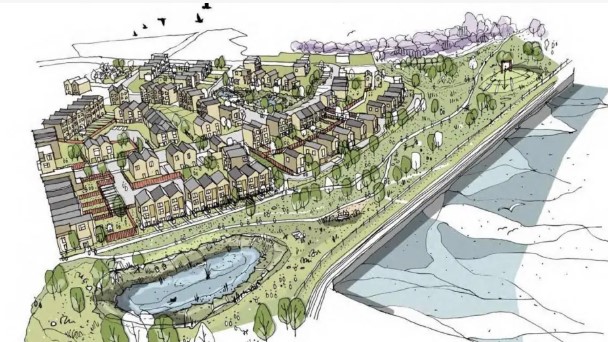
Westmorland and Furness Council is set to receive funding from Homes England for the second phase of the ambitious Barrow Marina Village development. This transformative scheme promises to include 800 homes, a nature conservation area, and public open spaces, aligning with the #BrilliantBarrow initiative to rejuvenate the local community.
High-Quality Housing and Wildlife Conservation
A mix of high-quality homes is planned, designed to coexist with wildlife habitats. The project is guided by the Marina Village Residential Opportunity Supplementary Planning Document (SPD), which outlines stringent requirements for design, infrastructure, and environmental considerations. The planning applications for the development are referenced under B28/2023/0313 and B06/2021/0854.
Environmental Sensitivities and Constraints
The site’s proximity to environmentally significant areas underscores the need for careful planning. Adjacent to the Morecambe Bay Ramsar site and South Walney and Piel Channel Flats SSSI, and just 800 meters from the Morecambe Bay Special Area of Conservation (SAC), the development must tread lightly to avoid adverse ecological impacts!
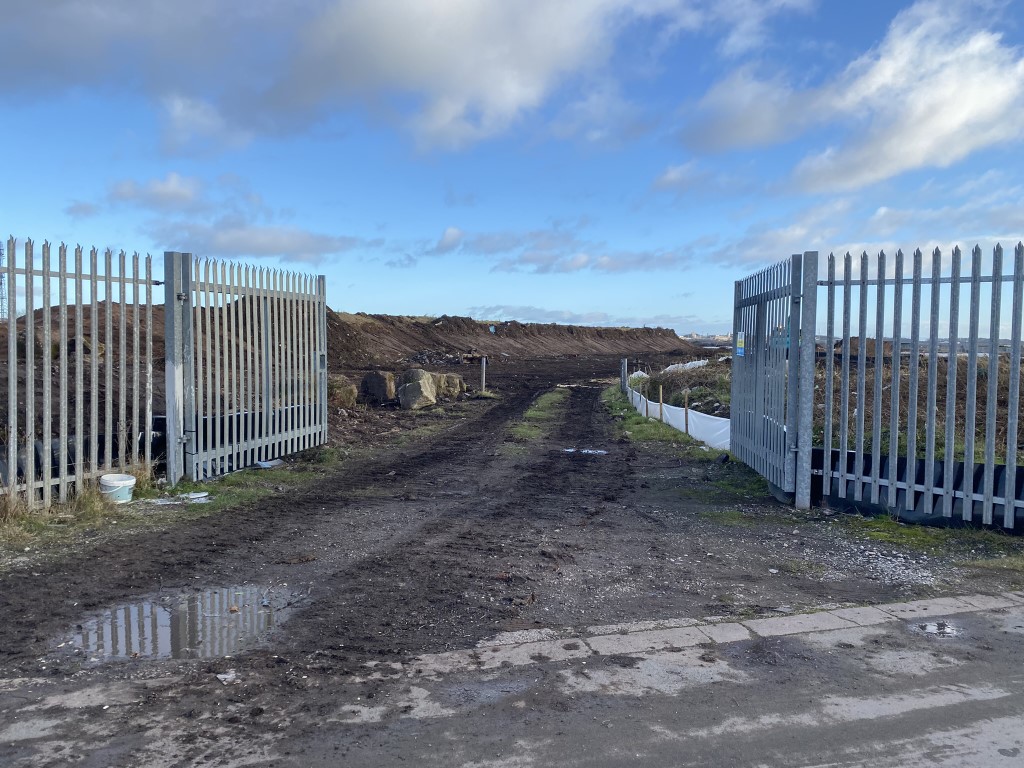
Site entrance (December 2024)
Reptile Conservation Efforts
Reptile surveys have revealed that the site hosts exceptional populations of common lizards and slow worms, qualifying it as a Key Reptile Site under Froglife’s criteria. Surveys conducted in 2018 by WYG Ecology and subsequent efforts by Capita and Paul Bradley Associates (PBA) during 2020–21 confirmed the need for robust mitigation measures.
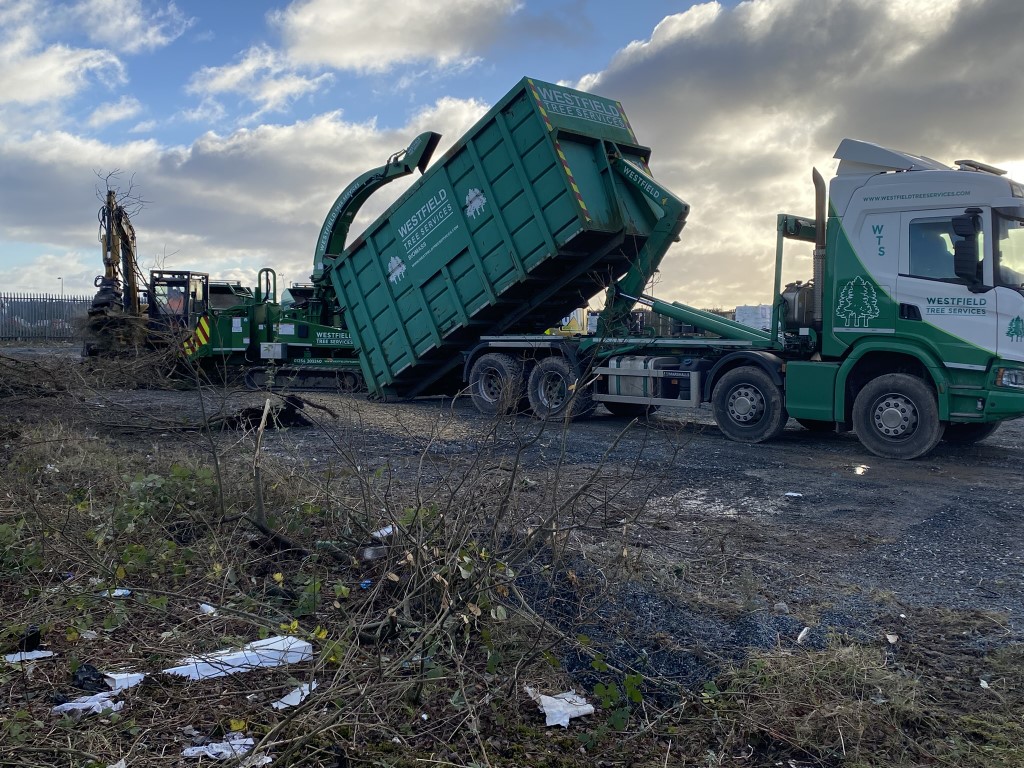
Reptile habitat going through a shredder…. (December 2024)
Planned Mitigation Measures:
- Creation of reptile-suitable habitats with artificial refugia along the southern and eastern edges of the site.
- Habitat enhancements, including scrub clearance, removal of invasive Japanese knotweed, and creation of hibernacula and basking areas.
- Translocation of reptiles to suitable receptor areas prior to construction, with reptile fencing to prevent reentry into the works zone.
- Potential off-site translocation where on-site capacity is insufficient.
In the summer of 2024, trapping efforts reportedly captured over 1,000 slow worms at the site—an exceptionally high population count. Such a significant number highlights the site’s ecological importance and the necessity for meticulous handling of these protected species…..
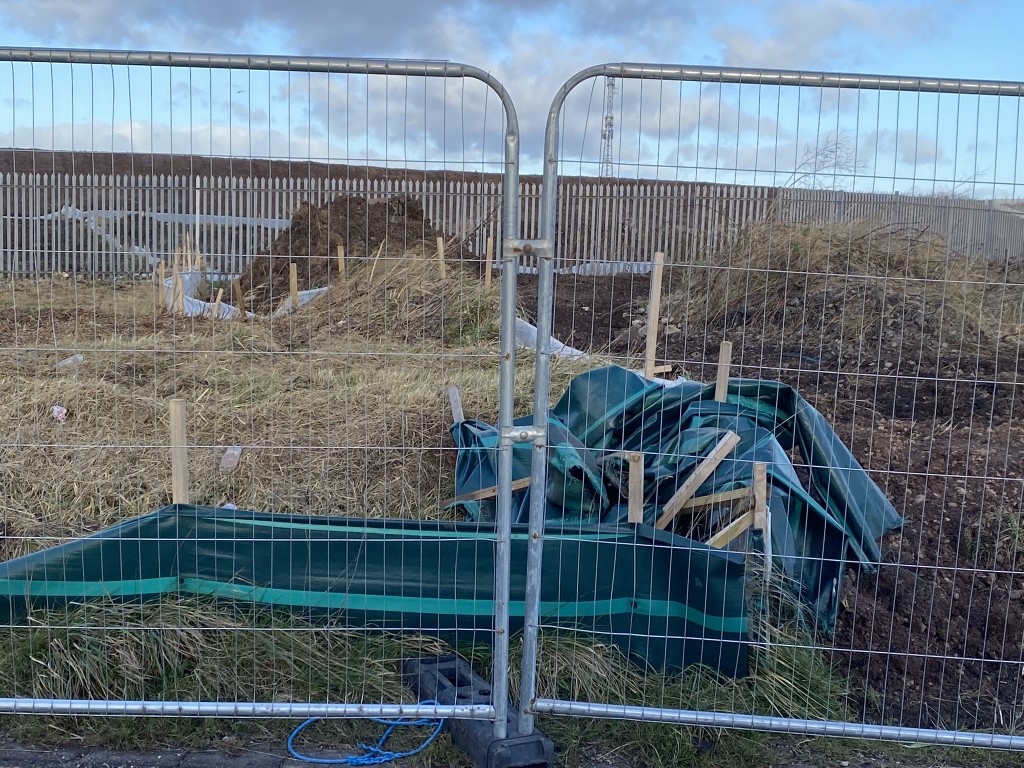
Reptile fencing on site (December 2024).
The loss of a site that support so many Slow Worms is a big loss for local biodiversity.
Kirby Moor SSSI: A New Home for Slow Worms?
It is understood that the slow worms have been translocated to Kirby Moor SSSI, located near Kirkby-in-Furness. While this site’s heathland and rough grassland habitats may support slow worms, there are concerns:
- Permission and Compliance: Translocations to SSSIs require Natural England’s consent and must align with conservation objectives.
- Ecological Impact: Introducing over 1,000 reptiles to a new site could strain existing ecosystems and resident species.
- Post-Translocation Monitoring: Ongoing monitoring is essential to evaluate survival rates and habitat suitability, but reports on the outcomes remain unavailable.
The Broader Implications
Conservation vs. Development
Barrow’s Marina Village highlights the tension between development and biodiversity conservation. While the promise of creating reptile habitats and public green spaces is commendable, the loss of such a biodiverse site raises questions about the effectiveness of mitigation.
Lessons from “Lost Nature”
Wild Justice’s recent report, “Lost Nature,” critiques the gap between promises of biodiversity mitigation and actual delivery. It warns of developers’ frequent failure to implement conditions meant to replace lost habitats. This critique is particularly poignant as policymakers consider reducing barriers to housebuilding, often blaming nature protections for delays. See https://wildjustice.org.uk/general/lost-nature-report/

Common Lizard
A Local Biodiversity Loss
The removal of a site supporting over 1,000 slow worms represents a significant loss for local biodiversity. Slow worms are declining across the UK due to habitat loss, and such a large population could have served as an important conservation stronghold. This site is now lost. Ensuring the success of the translocation efforts and the creation of replacement habitats will be crucial.
Looking Ahead
The Marina Village development holds promise for Barrow, but its success will depend on achieving a genuine balance between urban growth and nature conservation. Time will tell if the promised wildlife habitats and green spaces can compensate for the ecological losses incurred. For now, the spotlight remains on ensuring compliance with environmental commitments and monitoring the outcomes of this ambitious project.

 Andrew Chick Ecology
Leave a comment