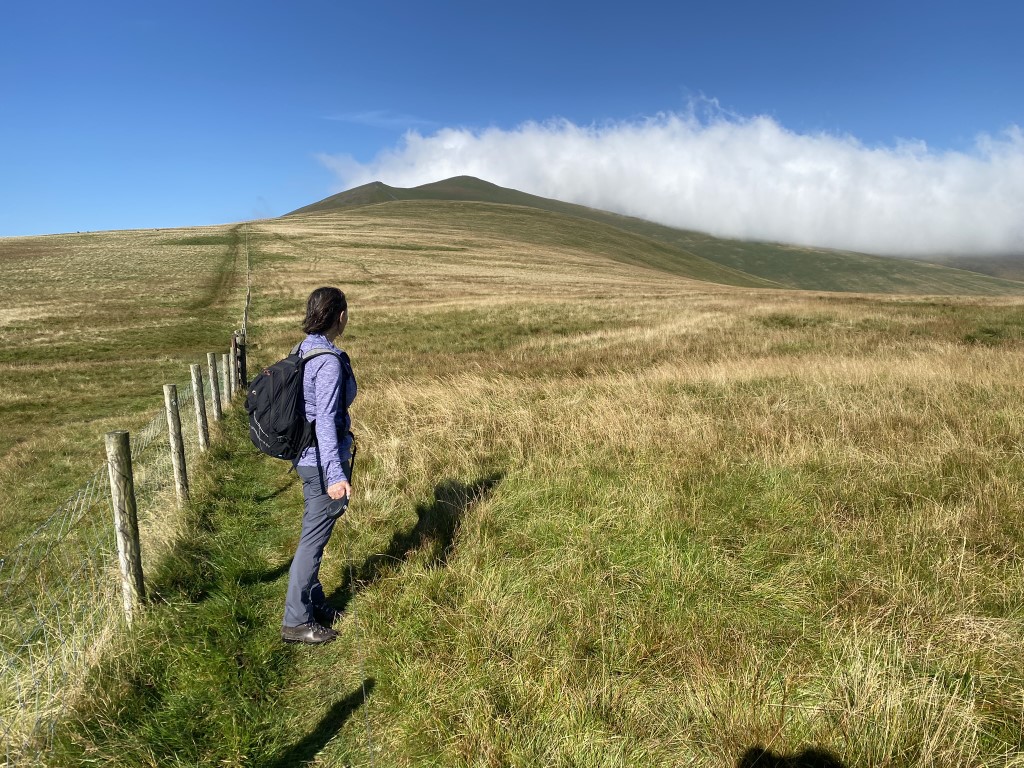
Work has officially begun to restore a lost temperate rainforest on Skiddaw Forest, a dramatic fell in the heart of the Lake District. Cumbria Wildlife Trust recently acquired over 3,000 acres of the area, including Skiddaw’s 931m (3,054ft) summit, following a successful fundraising campaign.
Uncovering the Past to Shape the Future
Scientists from Cambridge University have conducted peat surveys to identify which plants and trees once thrived on Skiddaw, one of England’s highest mountains. These insights will guide the ambitious restoration project, which aims to reintroduce native species and ecosystems.
In addition to peat surveys, the project includes detailed studies of water quality and flow rates to assess the extent of peatland erosion. Volunteers have also begun collecting native seeds, with more opportunities for community involvement planned in the new year.
https://www.cumbriawildlifetrust.org.uk/news/purchase-skiddaw-forest-now-complete
Creating a New Temperate Rainforest
The seeds collected will be nurtured in tree-growing hubs at Plumgarths near Kendal, Cold Springs Community Nature Reserve in Penrith, and a site near Keswick. Once grown, these trees will form the backbone of the restored temperate rainforest on Skiddaw’s lower slopes.
Stephen Trotter emphasized the scope of the restoration: “We’re starting with comprehensive surveys across the site, looking at everything from small mammals like otters, weasels, and stoats, to lower plants such as bryophytes, lichens, and liverworts, which are crucial for the ecosystem.”
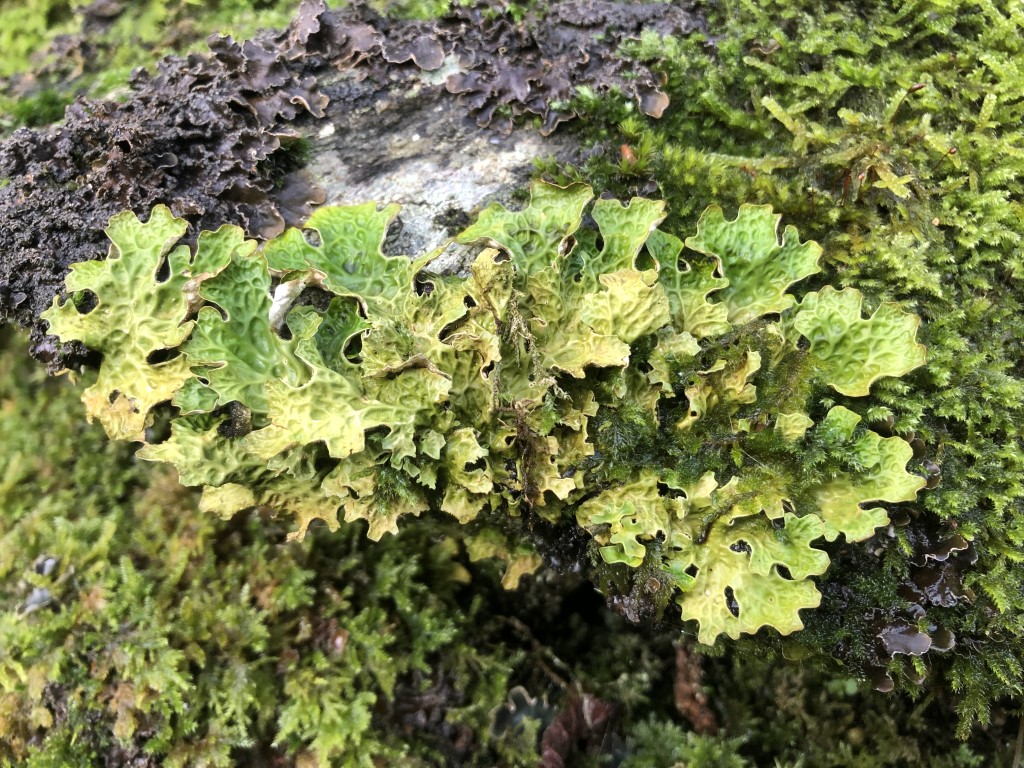
Tree lungwort – large epiphytic ‘Rock Star’ lichen… (c) Andrew P. Chick
A Landmark in Nature Restoration
The restoration plan spans 620 acres of Atlantic Rainforest, alongside 2,200 acres of other vital habitats, including montane scrub, wildflower grassland, heather moorland, and nearly 1,000 acres of peatbogs.
Cumbria Wildlife Trust’s acquisition of Skiddaw Forest—supported by an impressive £1.25m raised in just six weeks on top of £5m already secured—has made Skiddaw England’s highest nature reserve.
The project not only promises to bring life back to this iconic landscape but also serves as an inspiring example of how communities, scientists, and conservationists can work together to restore nature for generations to come.
The Atlantic Rainforest refers to a type of temperate rainforest characterized by its lush vegetation, high biodiversity, and the presence of unique plant and animal species. While the name often brings to mind the tropical Atlantic Forest of South America, in the context of places like the Lake District, the term refers to a temperate rainforest biome found in areas with a cool, wet climate.
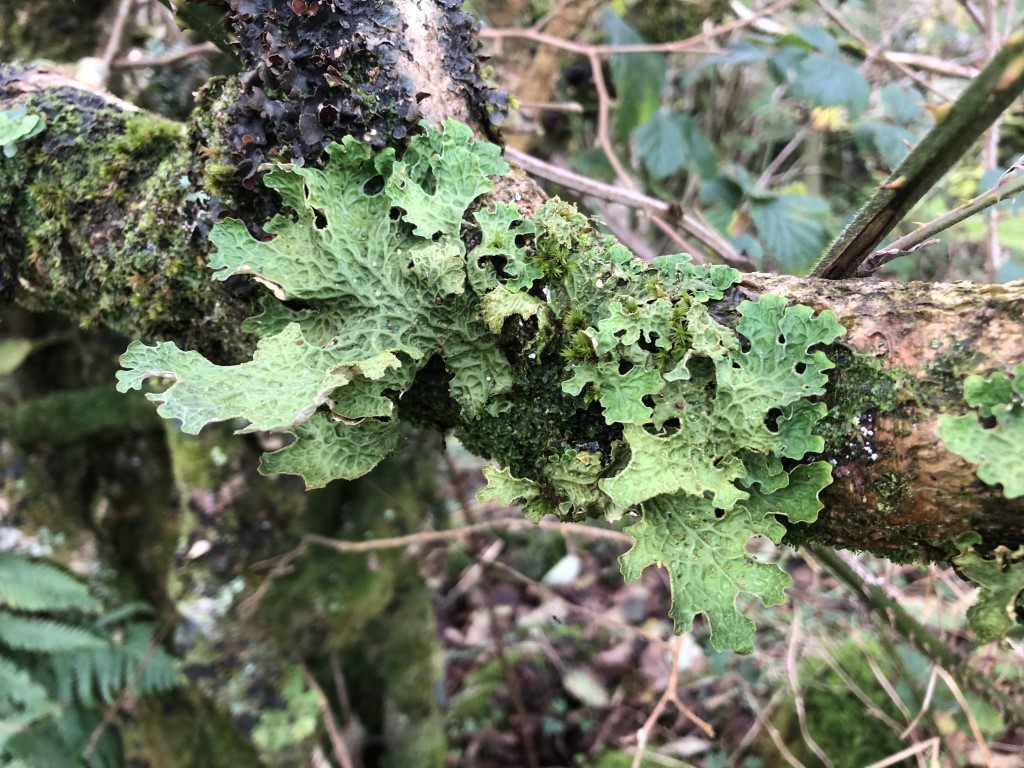
Tree lungwort – large epiphytic ‘Rock Star’ lichen… (c) Andrew P. Chick
Key Features of Atlantic Temperate Rainforest:
- Climate: High levels of rainfall and humidity, coupled with mild temperatures, create ideal conditions for rainforest growth.
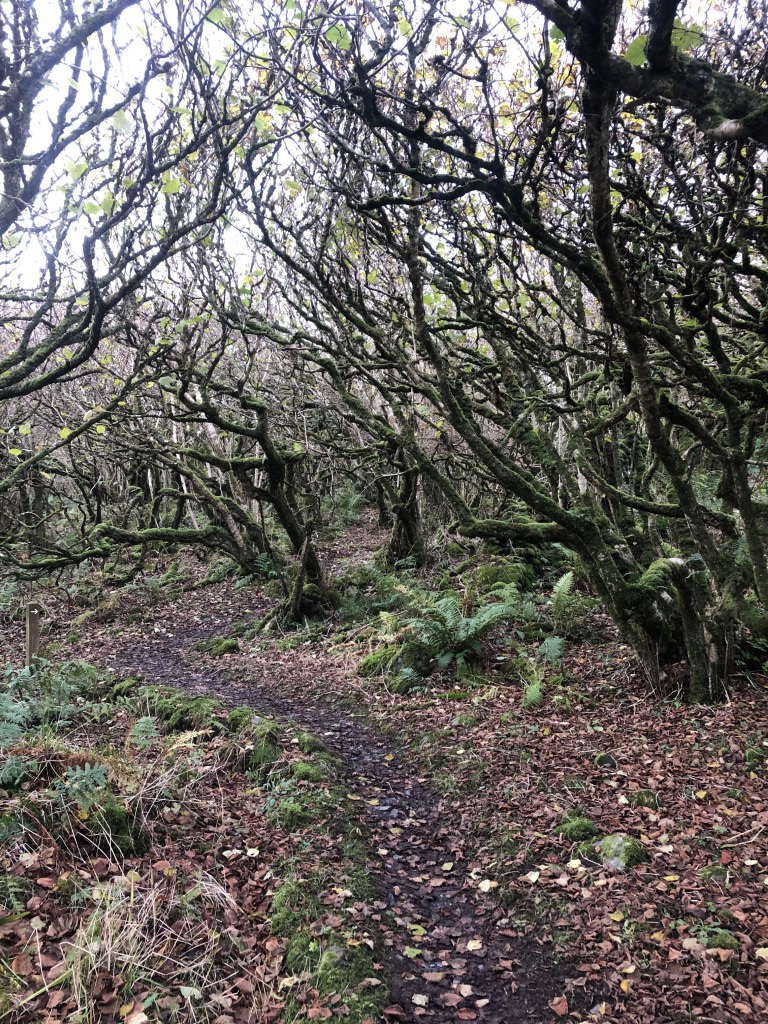
- Vegetation: These forests are dominated by native broadleaf trees, such as oak, birch, and rowan, as well as an abundance of mosses, lichens, ferns, and liverworts. The “lower plants” thrive in the damp environment, often carpeting the ground, rocks, and tree trunks.
- Biodiversity: The ecosystem supports a wide variety of species, including birds, small mammals, amphibians, and insects, many of which are dependent on the unique conditions provided by the forest.
- Ecosystem Services: These rainforests play an essential role in storing carbon, maintaining soil health, and regulating water flow, helping to mitigate flooding and combat climate change.
Historical Context in the UK:
Atlantic temperate rainforests once thrived along the western seaboard of Britain, from Scotland down to Wales and parts of England, including areas like the Lake District. However, due to centuries of deforestation, agriculture, and land-use changes, much of this habitat has been lost.
Restoration Efforts:
Projects like the one at Skiddaw aim to bring back this rare ecosystem by planting native trees, restoring degraded habitats, and encouraging the return of native species. This type of rainforest is sometimes referred to as the “Celtic Rainforest” in the UK, highlighting its cultural and ecological significance.
In the Lake District’s case, the restoration will involve reintroducing the unique plant and animal communities that define Atlantic Rainforest ecosystems, creating a thriving, biodiverse landscape for future generations….. but it might take a while….

 Andrew Chick Ecology
Leave a comment