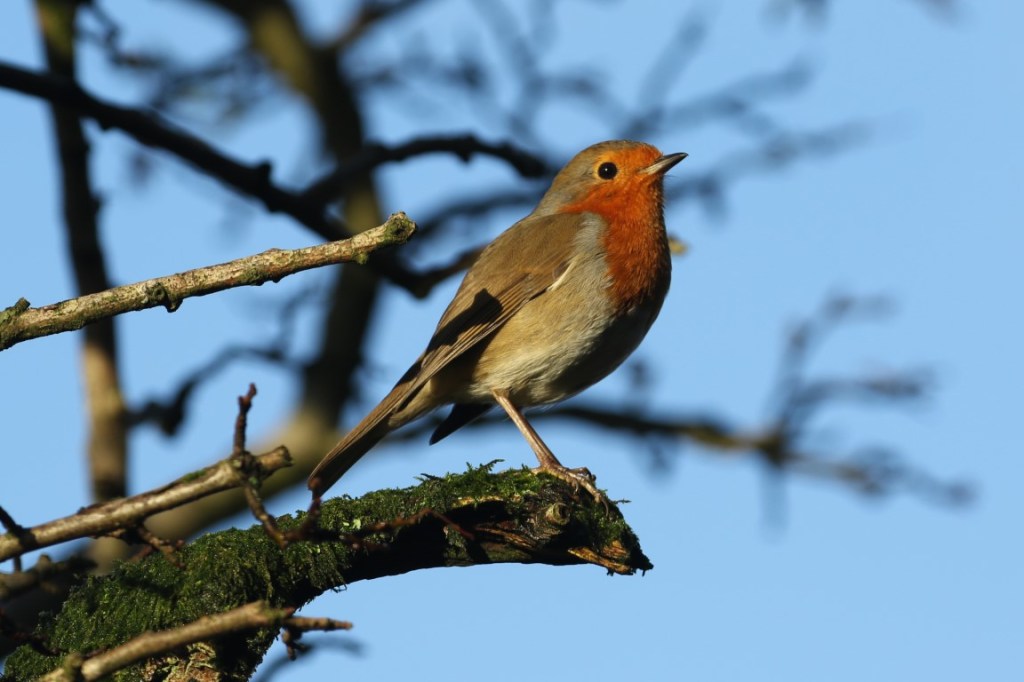
The Christmas robin has a deep-rooted association with the festive season, stemming from both folklore and Victorian traditions. Here’s an exploration of its history:
Folklore and Symbolism
- Christian Legend:
- According to one Christian legend, a robin was present at the stable during Jesus’ birth. It fanned the dying embers of the fire with its wings to keep the Holy Family warm, and in doing so, its chest was scorched red, giving it its distinctive coloring.
- Symbol of Hope:
- Robins are often associated with renewal, hope, and the promise of brighter days. As a bird that is active and visible during the colder months, it symbolizes endurance and life even in the depths of winter.
Victorian Christmas Tradition
- Connection with Postmen:
- In Victorian England, postmen wore bright red uniforms and were nicknamed “robins” due to their vibrant attire. As Christmas cards gained popularity during the mid-19th century, artists began depicting robins delivering letters, drawing a playful parallel to the red-uniformed postmen.
- Christmas Cards:
- The robin became a staple on Christmas cards, symbolizing both the festive spirit and the act of sending goodwill messages during the holiday season. Early illustrations often showed robins carrying letters in their beaks, further cementing their association with Christmas.
Cultural and Natural Significance
Winter Presence:
- Unlike many birds that migrate in winter, robins remain active in Britain and other temperate regions throughout the cold months. Their cheerful song and bright plumage provide a welcome contrast to the bleakness of winter landscapes.
Symbol of Loved Ones:
- In more recent times, robins have also come to symbolize visits from departed loved ones, making their appearance during Christmas both comforting and spiritually significant for many.
Modern Depictions
Today, the robin continues to be a popular motif in Christmas decorations, cards, and stories. Its enduring charm lies in its cheerful presence during the darkest time of the year, embodying warmth, resilience, and the spirit of giving.

 Andrew Chick Ecology
Leave a comment