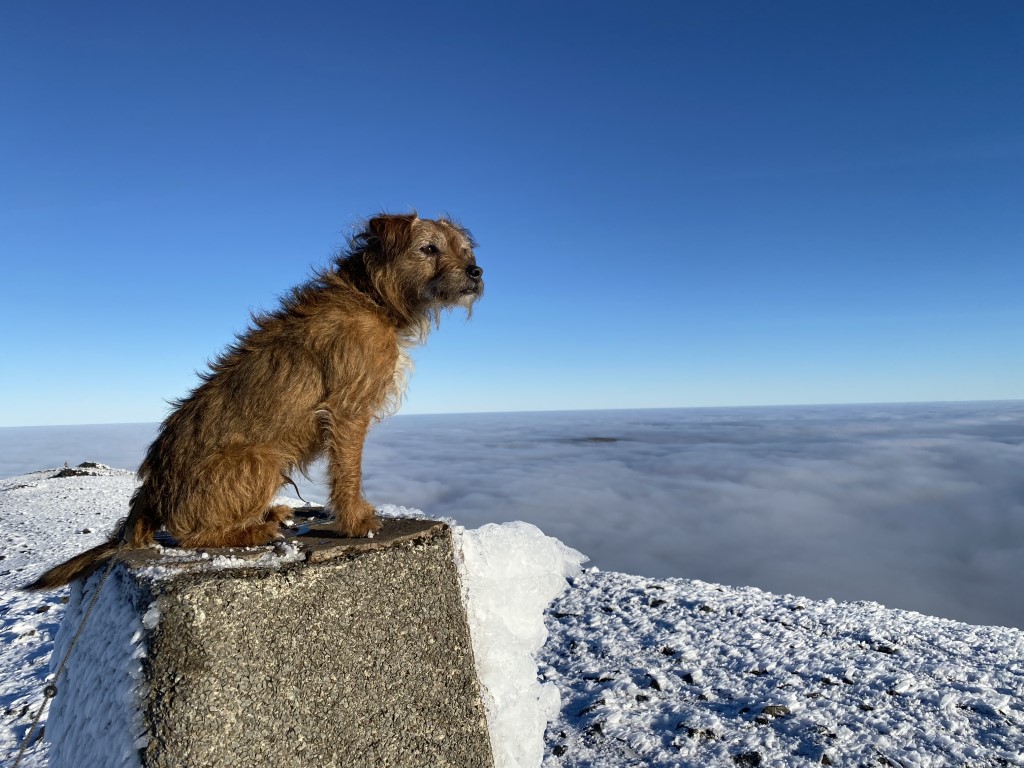
Balancing Pet Joy with Wildlife Protection
New research sheds light on what motivates dog owners to keep their pets on a lead or let them roam free in natural areas. The study also highlights the potential benefits of creating dedicated dog exercise spaces to address these motivations while protecting the environment.
The Joy and Impact of Off-Lead Walks
For many dog owners, seeing their pets run free is a source of joy and satisfaction. However, letting dogs off the lead in natural areas can have unintended consequences for wildlife. Dogs, as predators, can harm or disturb native species and habitats. This can occur through direct interactions, such as chasing wildlife, or indirectly, by damaging vegetation or nesting areas. Even swimming in natural waters can introduce pollutants from medications applied to a dog’s skin, further impacting the ecosystem.
Dedicated dog parks may offer a solution to this dilemma, providing a space for pets to run freely without threatening wildlife. According to the World Animal Foundation, such spaces could reduce the pressure on sensitive natural areas and help balance the needs of dogs, owners, and the environment.
Understanding Dog Owner Motivations
A team led by Jasmin Packer from the Environment Institute at the University of Adelaide studied dog walking behaviors in South Australia’s Wirraparinga-Brownhill Creek Recreation Park. This biodiversity hotspot is home to endangered species such as the Southern Brown Bandicoot and the Bassian Thrush, making it a critical area for wildlife conservation.
The researchers conducted open-ended interviews with dog owners to explore their motivations for visiting the park and their choices regarding on- or off-lead walking. They found that:
- Proximity and natural ambiance: The park’s close location and serene environment were major draws for dog owners.
- Social influences: Decisions to leash or unleash dogs often depended on the presence of other people, dogs, or wildlife in the area.
- On-lead walkers’ motivations: Owners who kept their dogs on a lead often cited a desire to protect the environment and ensure peaceful interactions with other people and animals.
Social Norms and Behavioral Change
The study revealed that social norms play a significant role in influencing dog-walking behaviors. Owners were more likely to leash their dogs if they observed others doing the same. Conversely, enforcing compliance with signs and local rules appeared less effective in changing behavior.
The researchers advocate for a community-based approach to address this issue. By aligning with dog owners’ values and leveraging social norms, it is possible to promote behaviors that balance the needs of pets and wildlife.
A Vision for the Future: Enclosed Dog Parks
The team proposed the creation of enclosed natural dog parks as a practical solution. These spaces would allow dogs to enjoy off-lead exercise before or instead of entering sensitive nature reserves, reducing the potential for environmental harm. Additionally, community-based social marketing campaigns could reinforce positive behaviors by emphasizing shared values and fostering a sense of collective responsibility.
Policy Implications
Policymakers can use these insights to develop strategies that encourage on-lead walking in nature reserves while providing alternatives for off-lead play. By fostering a culture of coexistence, it’s possible to create a harmonious environment where people, pets, and wildlife thrive together.
Packer, J, Kohler, M, Dawson, D, Asad, N, von der Borch, R and Chur‐Hansen, A. 2024. Why do people walk their dog where the wild things are? A qualitative content analysis from an urban nature reserve. People and Nature. DOI: 10.1002/pan3.10758




 Andrew Chick Ecology
Leave a comment