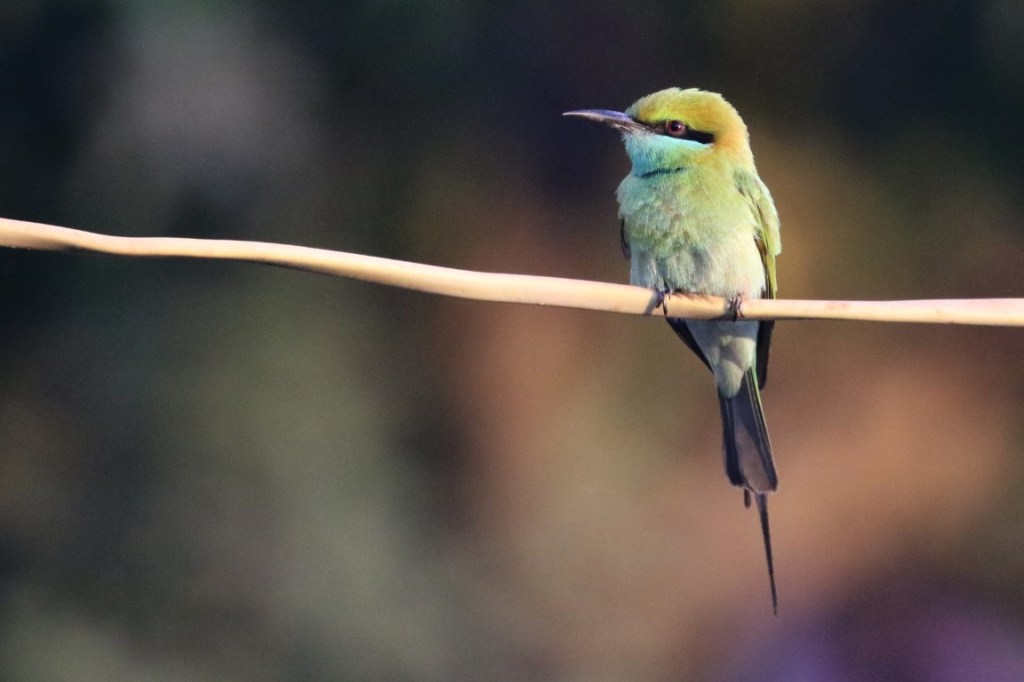
The Asian Green Bee-eater (Merops orientalis) is a colorful, insectivorous bird found across South and Southeast Asia. Its breeding cycle is fascinating and involves several stages.
The breeding season typically occurs between March and June, though it can vary slightly depending on the region and climate. In some areas with favorable conditions, a second breeding season may occur later in the year. Asian Green Bee-eaters are monogamous during the breeding season. Males perform courtship displays, including aerial acrobatics and offering food, such as insects, to females. Once a pair is formed, they work together to prepare the nest.
The birds excavate a tunnel-like nest in sandy or loamy soil, often on riverbanks, sandbanks, or even man-made structures like mud walls. The tunnel is usually 1–2 meters long and ends in a small chamber where the eggs are laid. Both the male and female participate in digging the nest, which can take several days to complete. The female then lays 4–7 small, white, spherical eggs in the nesting chamber, with eggs laid at intervals of about 1–2 days.

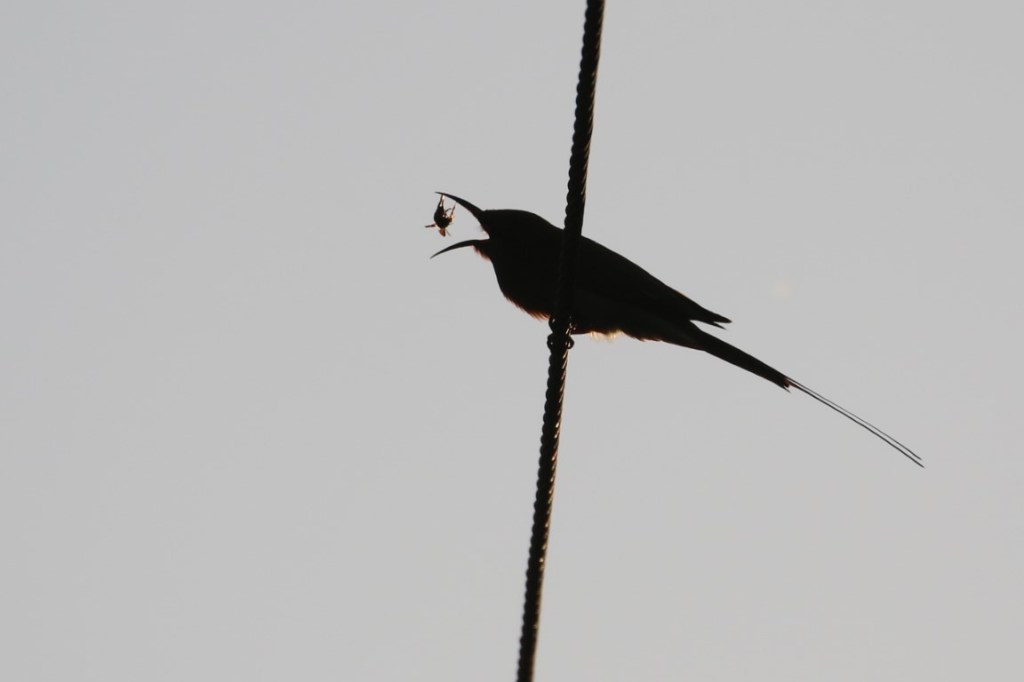
Both parents take turns incubating the eggs, which lasts for about 14–16 days. During this time, the parents also defend the nest from predators and intruders. The chicks hatch asynchronously, meaning not all at once, due to the staggered egg-laying. Both parents feed the chicks, primarily with insects like bees, wasps, and dragonflies. The chicks grow rapidly and are initially covered in downy feathers.
The chicks leave the nest, or fledge, after about 3–4 weeks. After fledging, they remain dependent on their parents for food for a short period while learning to hunt. Once the breeding season is over, Asian Green Bee-eaters often form small flocks and may migrate locally in search of food. They are highly social birds and may roost communally outside the breeding season.
The Asian Green Bee-eater’s breeding cycle is closely tied to the availability of insects, which are abundant during the warmer months. Their vibrant colors and acrobatic flight make them a delight to observe during this time!

 Andrew Chick Ecology
Leave a comment