
The brown-headed gull (Chroicocephalus brunnicephalus) is a medium-sized gull species found primarily in South and Central Asia. Recognized for its distinctive brown head during the breeding season, this elegant seabird is a fascinating member of the Laridae family. From its seasonal migrations to its adaptable feeding habits, the brown-headed gull is an important species in its ecosystem.
Physical Characteristics
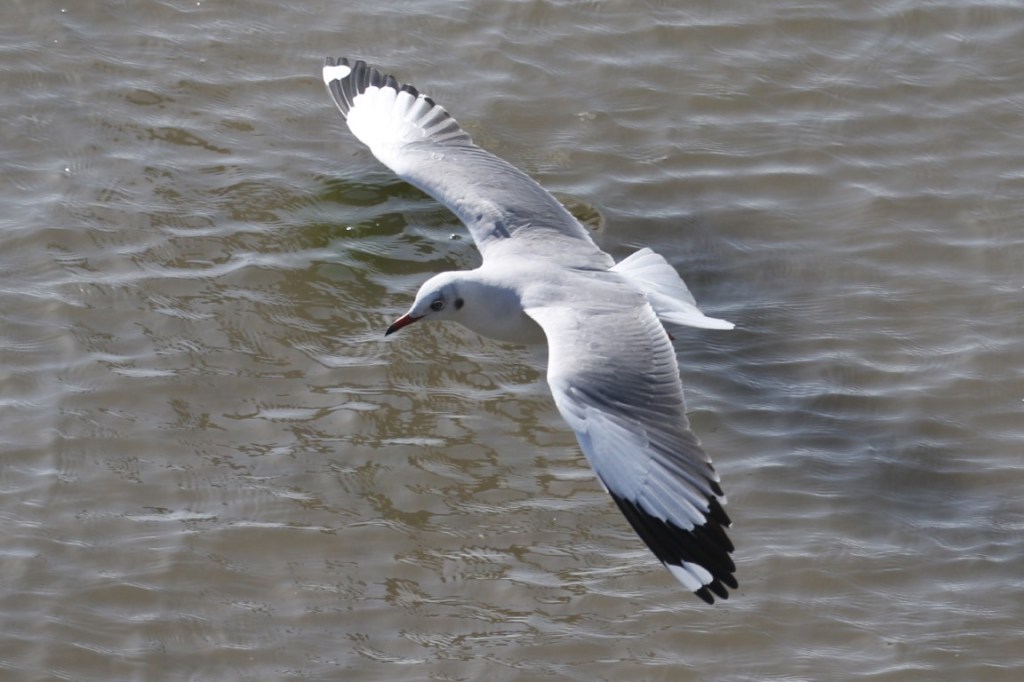
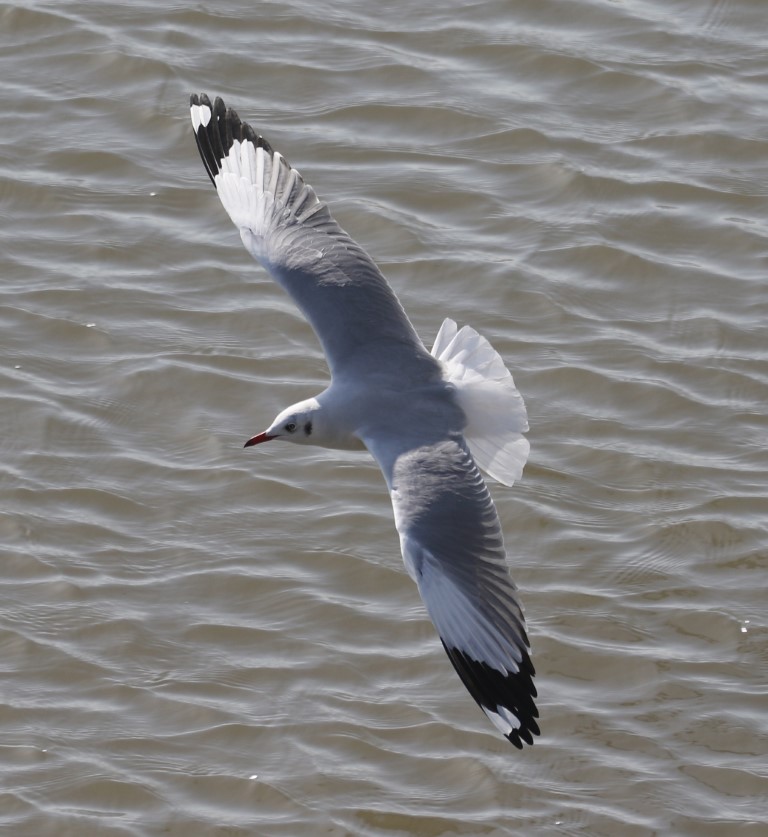
Brown-headed gulls measure around 40–45 cm (16–18 inches) in length, with a wingspan ranging from 110–135 cm (43–53 inches). They are often confused with the closely related black-headed gull, but key differences set them apart:
- Breeding Plumage: Adults develop a rich chocolate-brown head, contrasting with their white body and pale gray wings.
- Non-Breeding Plumage: The brown head fades, leaving behind a white head with faint dark markings.
- Distinctive Bill and Legs: Their bill is bright red with a black tip, and their legs are also red, adding to their striking appearance.
Habitat and Distribution
Brown-headed gulls are found across a wide geographic range, spanning from the Indian subcontinent to Central Asia. They breed in high-altitude lakes across Tibet, Mongolia, and western China before migrating south for the winter. In the colder months, they can be seen in coastal regions of India, Bangladesh, Myanmar, and Thailand, frequenting lakes, rivers, and estuaries.
These gulls are highly adaptable and can thrive in both freshwater and saltwater environments. They are commonly spotted near urban areas, particularly around fishing harbors, where they scavenge for food.
Diet and Feeding Behavior
Brown-headed gulls have an omnivorous diet, feeding on a mix of:
- Fish and aquatic invertebrates
- Small rodents and amphibians
- Insects and plant material
- Human food scraps
Like other gulls, they are opportunistic feeders, often seen hovering over water or snatching food from the surface. They sometimes engage in kleptoparasitism, stealing food from other birds.
Breeding and Nesting
During the breeding season, which starts in late spring, brown-headed gulls nest in colonies on islands and lake shores. Their nests are built from grass, twigs, and reeds, usually placed on the ground or among marsh vegetation.
- Clutch Size: Typically 2–3 eggs
- Incubation Period: About 22–25 days
- Parental Care: Both parents take turns incubating and feeding the chicks
Chicks hatch covered in down and can leave the nest within a few days, though they rely on their parents for food until they fledge.
Behavior and Social Structure
Brown-headed gulls are social birds, often seen in large flocks. They exhibit playful and intelligent behavior, especially around human settlements where they scavenge for food. During migration, they travel in large groups, moving between breeding and wintering grounds.
Conservation Status
Currently, the brown-headed gull is classified as Least Concern by the IUCN, meaning it is not at immediate risk. However, threats such as habitat destruction, pollution, and human disturbance could pose future risks. Conservation efforts focused on protecting wetland habitats are essential for their long-term survival.


 Andrew Chick Ecology
Leave a comment