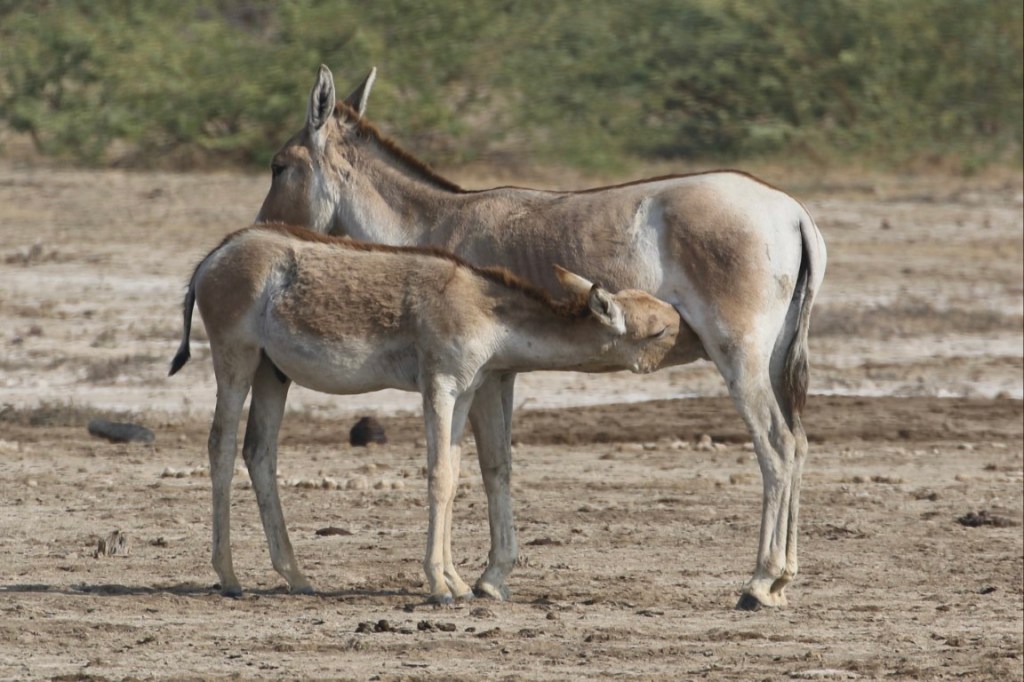
All photos by Andrew P. Chick from Jun 2025
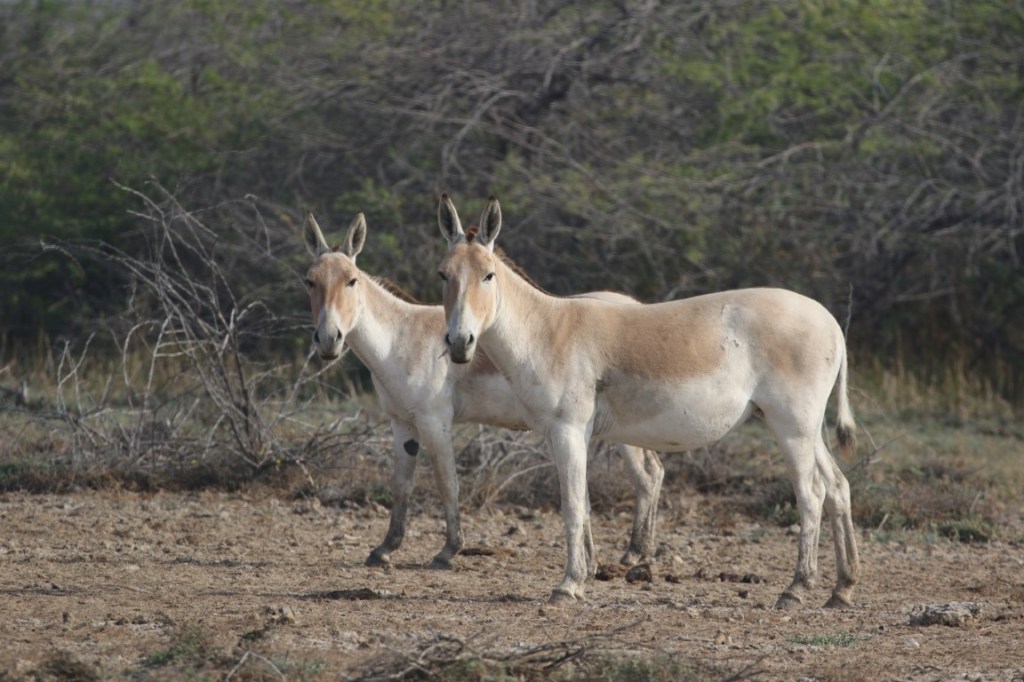
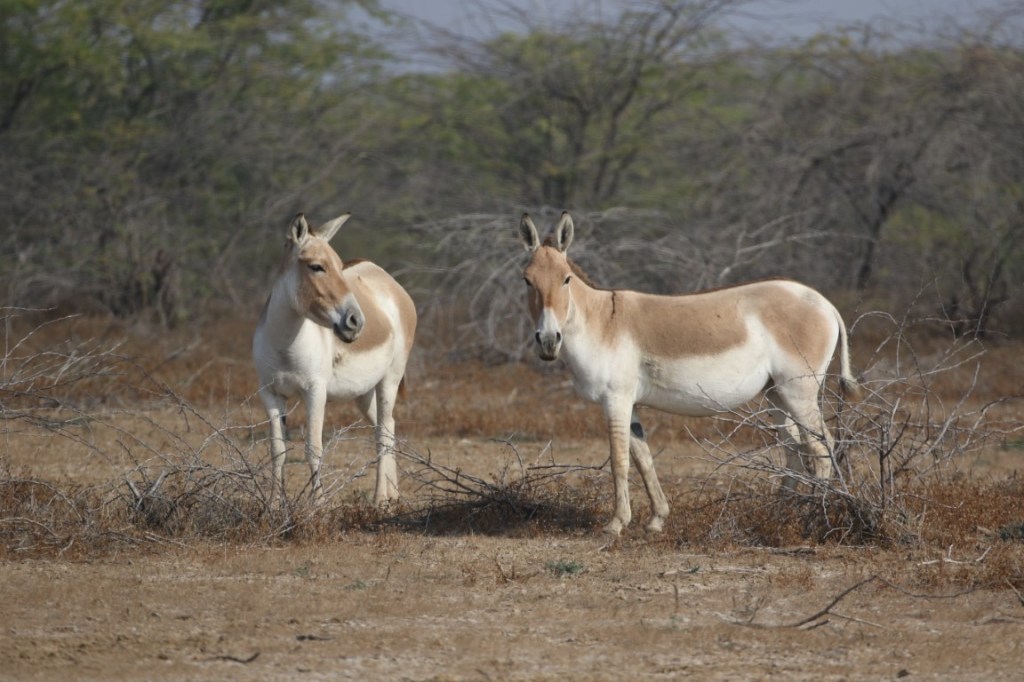
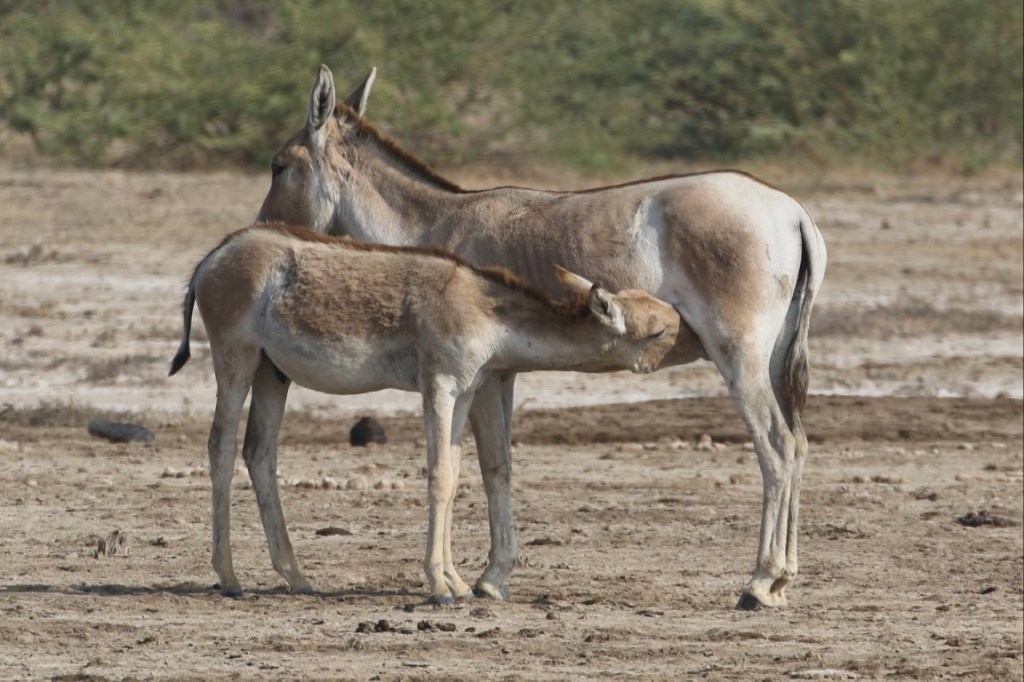
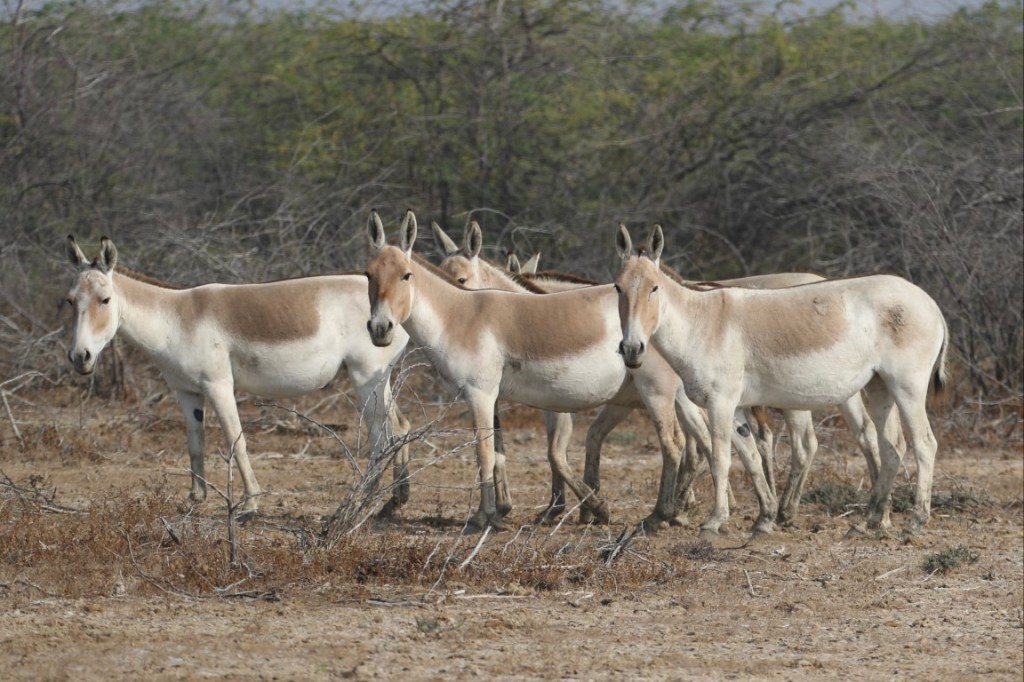
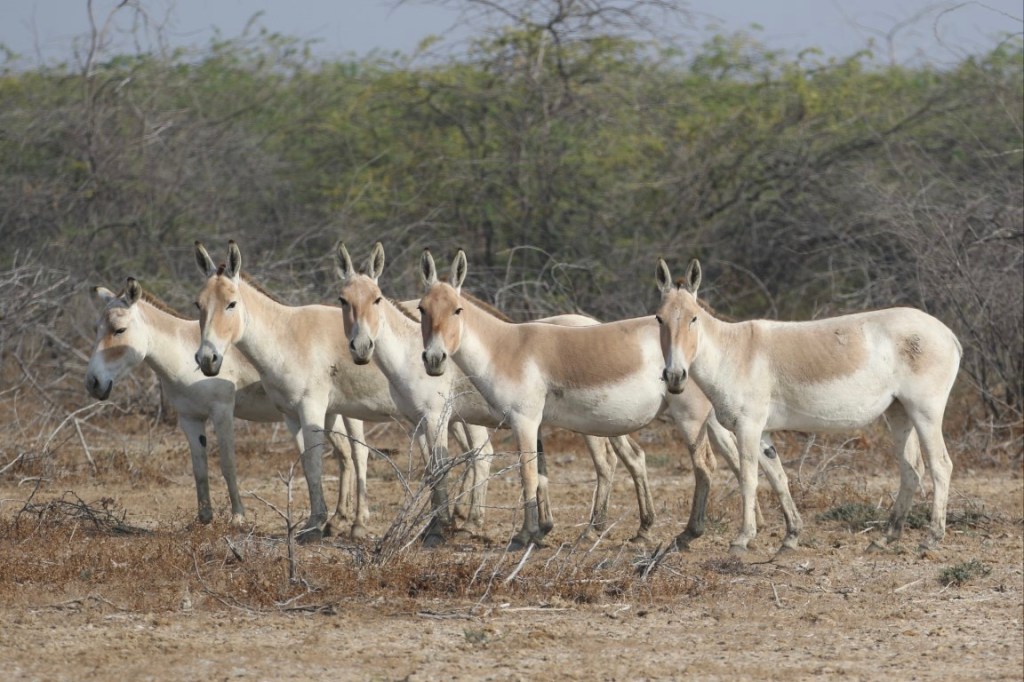
The Indian Wild Ass Equus hemionus khur, also known as the Khur, is one of the most remarkable yet lesser-known species of the subcontinent. It is a subspecies of the Asiatic Wild Ass and is found primarily in the arid salt plains of the Little Rann of Kutch in Gujarat, India. With its golden-brown coat, powerful limbs, and remarkable endurance, this animal has adapted to one of the harshest landscapes in the country, showcasing nature’s ability to persist against adversity.
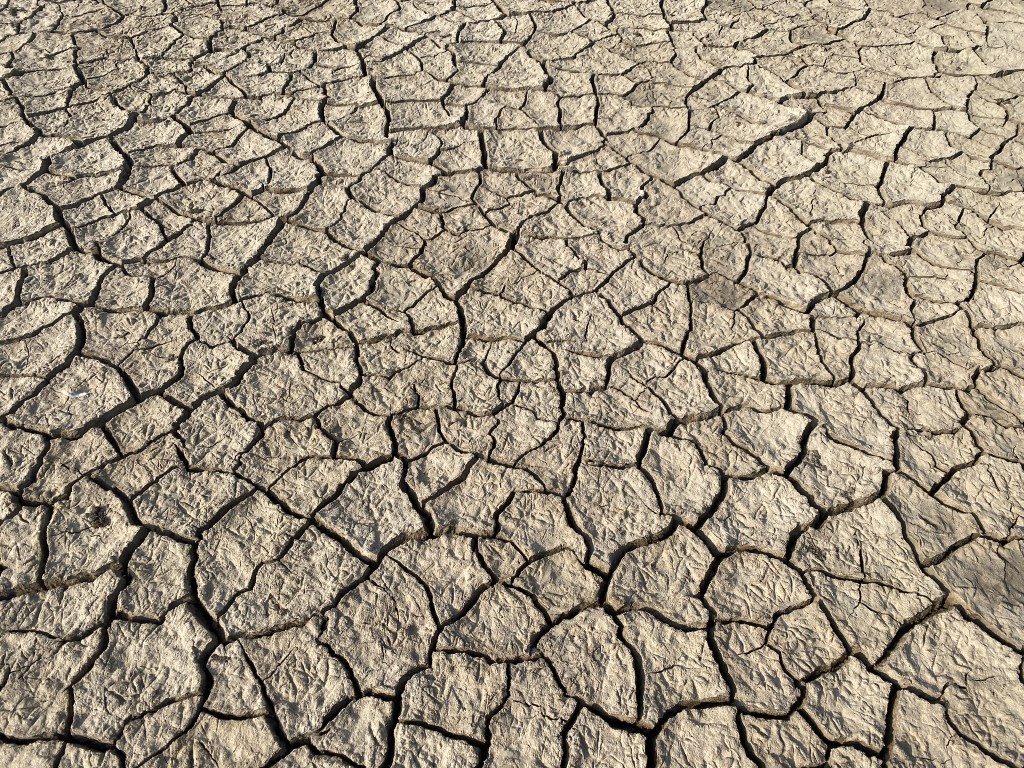
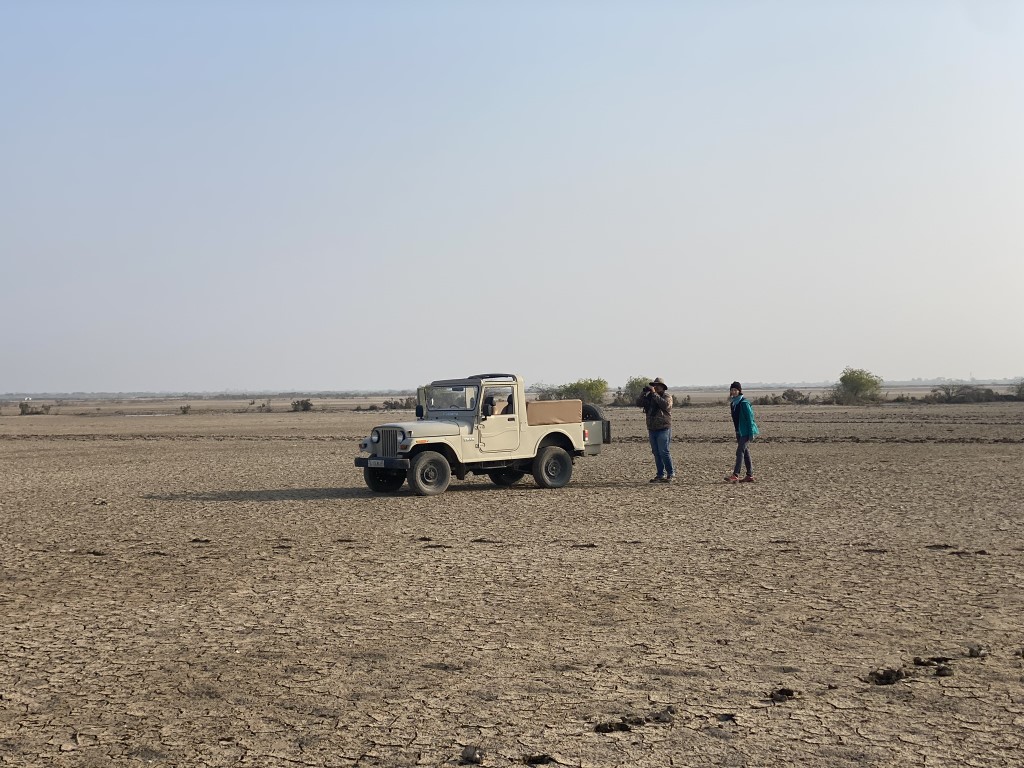
This magnificent equine once roamed across vast stretches of northwestern India, including parts of Rajasthan, Haryana, Punjab, and even extending into Sindh in Pakistan. However, habitat loss, hunting, and environmental changes led to a significant reduction in its range. Today, the Little Rann of Kutch serves as the last refuge for the Indian Wild Ass, where it thrives in the saline desert ecosystem. The region, though barren and inhospitable to many species, provides the perfect environment for this hardy animal to survive.
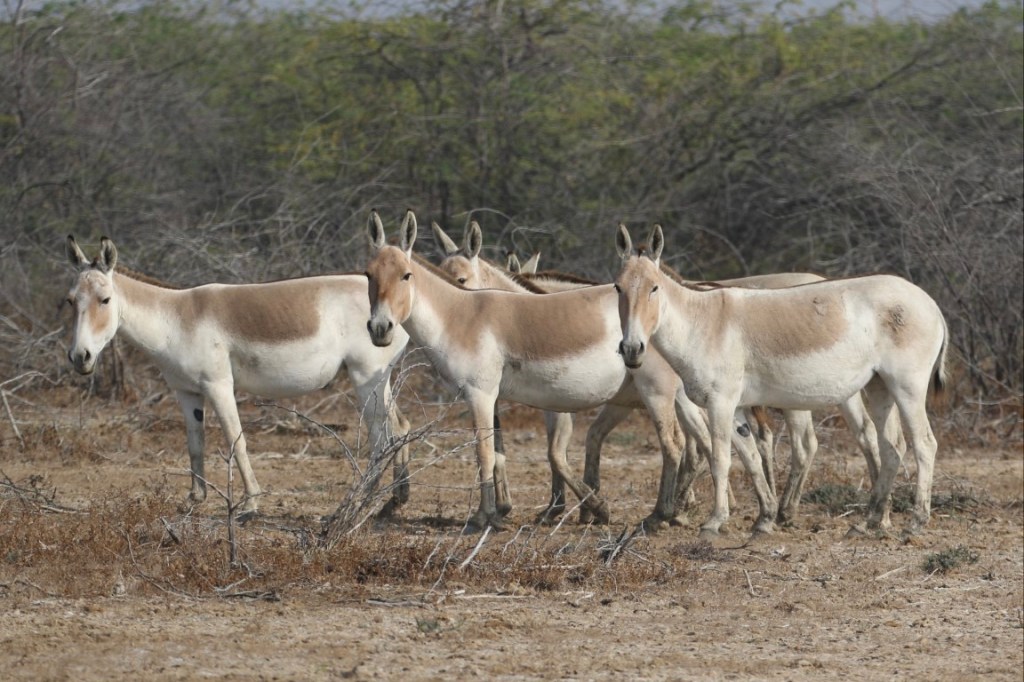
A striking feature of the Indian Wild Ass is its incredible speed, capable of reaching up to 70 km/h when galloping across the desert plains. This speed is a crucial survival trait, allowing it to evade predators such as wolves. Unlike domestic horses or donkeys, the Khur exhibits a unique mix of physical resilience and social behavior. It is typically seen in small groups or herds, though solitary males are also common. These groups are often led by dominant stallions who guide the herd in search of food and water across the arid expanse.
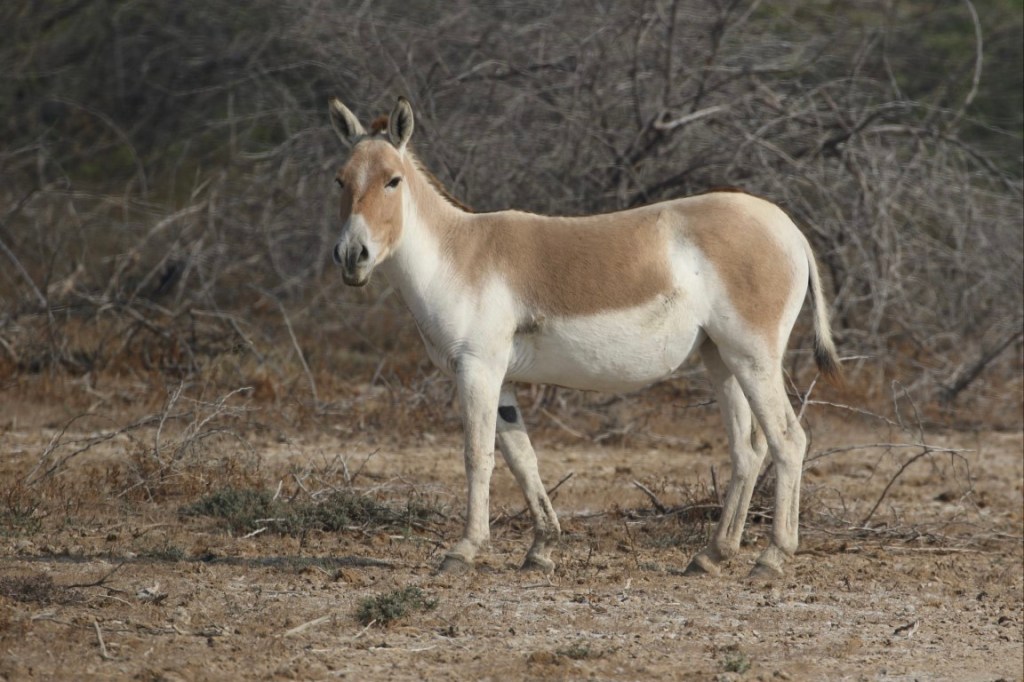
The diet of the Indian Wild Ass consists mainly of grasses, herbs, and saline vegetation that grows in the Rann. Remarkably, it has the ability to extract moisture from the food it consumes, allowing it to survive in an environment where water sources are scarce. However, during the summer months, it may travel long distances to locate freshwater pools.
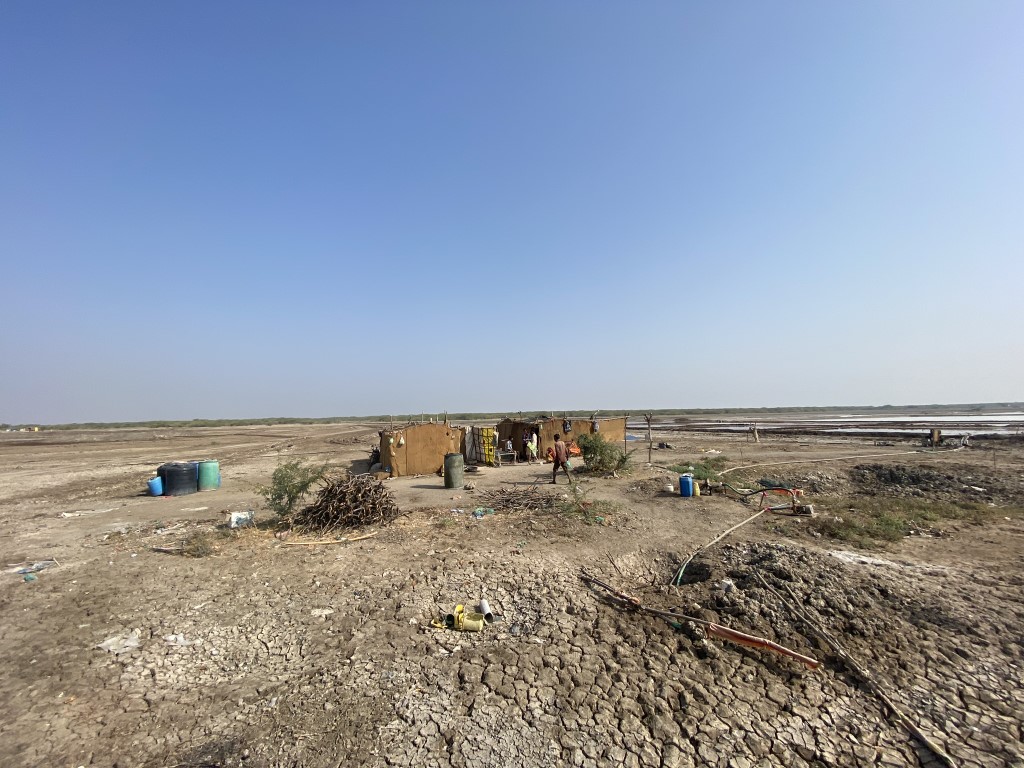
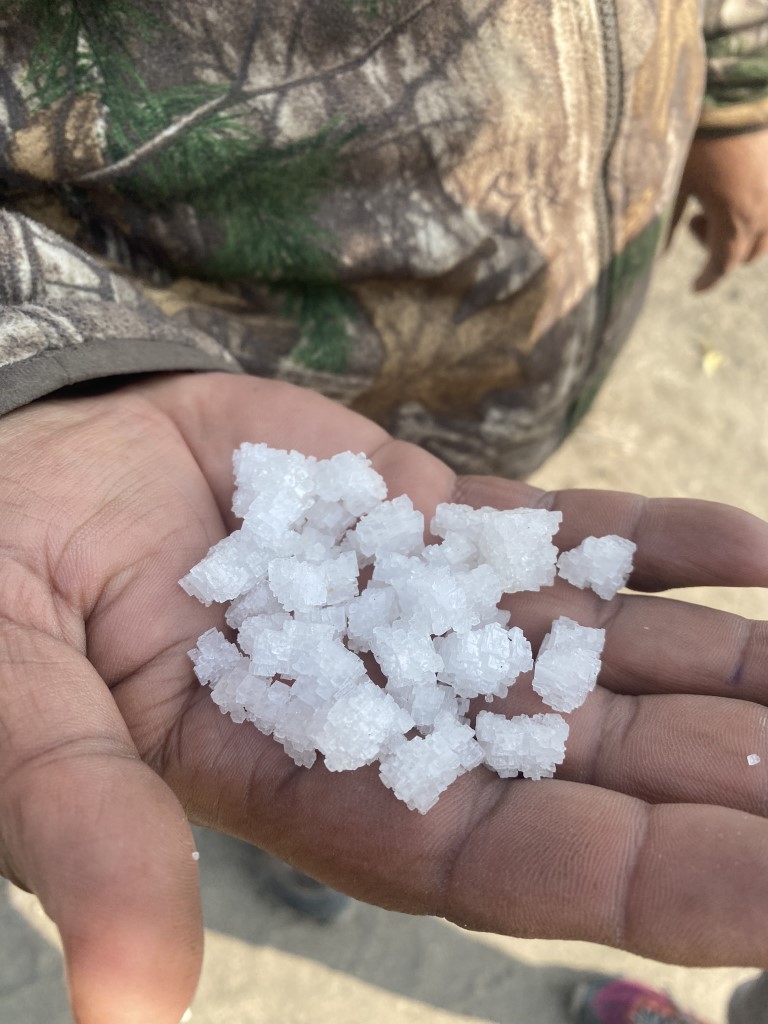
One of the greatest threats to the survival of this species has been human encroachment. Agriculture, industrial development, and salt mining have reduced the available habitat, pushing these animals into smaller, fragmented areas. Additionally, severe droughts and climate change pose further challenges. Despite these threats, conservation efforts have been successful in stabilizing their population. The Wild Ass Sanctuary, established in 1973 in the Little Rann of Kutch, has played a crucial role in their protection. Conservation measures, anti-poaching laws, and habitat preservation initiatives have helped their numbers gradually increase over the years.
The Indian Wild Ass holds cultural and ecological significance. It plays an essential role in maintaining the fragile desert ecosystem by grazing on wild vegetation and dispersing seeds, thus aiding in plant regeneration. Moreover, it has been an enduring symbol of resilience, revered in local folklore and traditions.
While the future of the Indian Wild Ass remains uncertain in the face of rapid environmental changes, its survival story so far has been a testament to nature’s ability to adapt and endure. With continued conservation efforts, awareness, and habitat protection, this unique species may continue to roam the vast, open landscapes of India for generations to come.



 Andrew Chick Ecology
Leave a comment