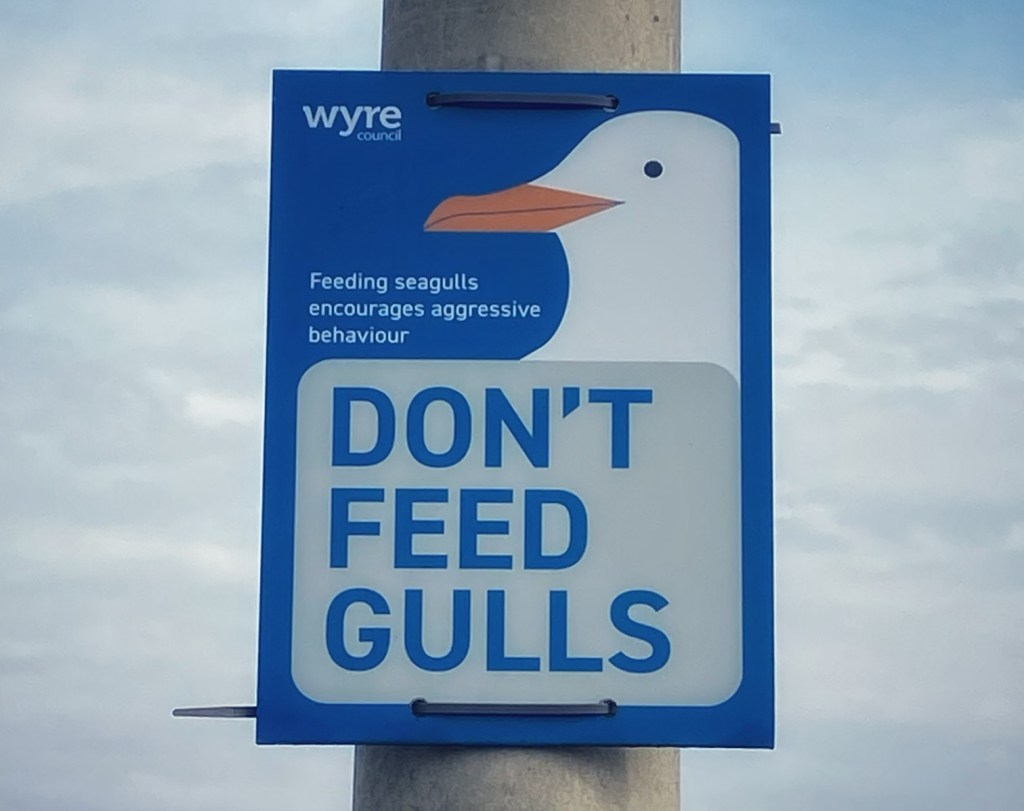
Seagulls can be aggressive due to a combination of food competition, territorial instincts, and nesting behavior. As opportunistic feeders, they have learned to associate humans with easy meals, leading them to snatch food from people or scavenge aggressively. During the breeding season in spring and summer, they become particularly defensive of their nests and chicks, often swooping down on perceived threats.
In urban and coastal areas, seagulls frequently lose their natural fear of humans, making them bolder and more confrontational, especially when food is involved. Their territorial nature also plays a role, as they aggressively protect feeding areas and nesting sites from both other birds and people. Hormonal changes during breeding season can heighten this aggression, particularly in males defending mates and territory.
Environmental factors also contribute to their behavior. A decline in natural food sources, such as fish, can drive them to scavenge more aggressively in human-populated areas. Over time, their increasing adaptation to urban life has made them more persistent and fearless.



 Andrew Chick Ecology
Leave a comment