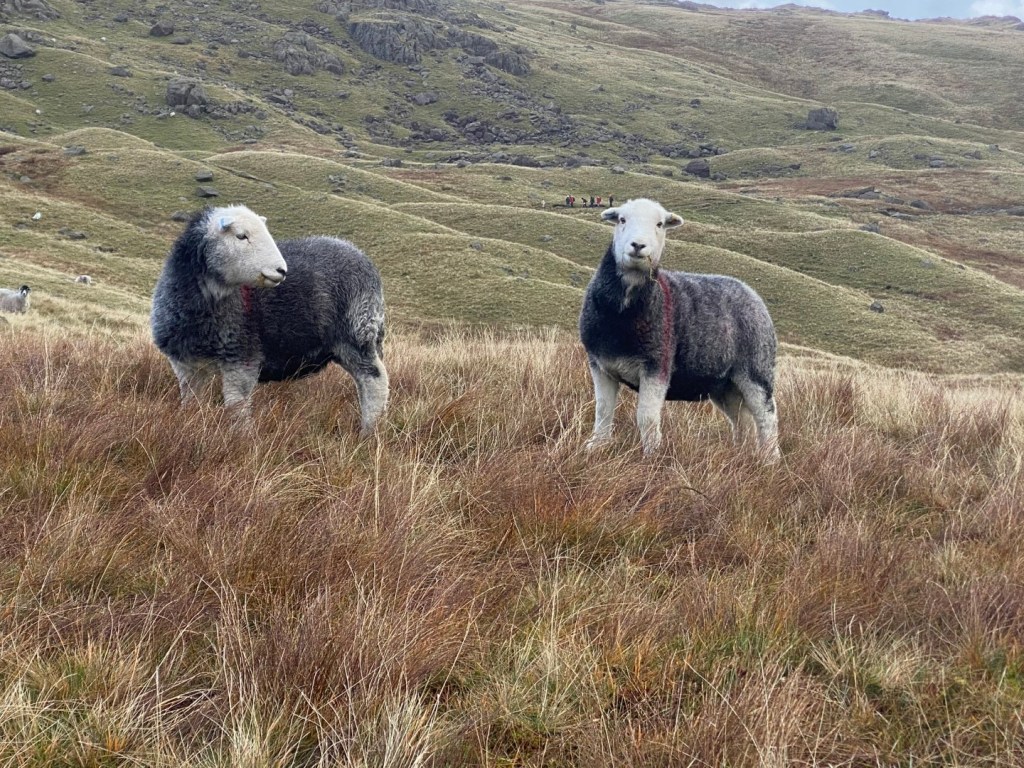
Herdwick sheep are one of the most iconic and hardy sheep breeds in Britain, closely associated with the Lake District in Cumbria. Their history is steeped in legend, tradition, and the unique farming practices of the region.
Origins and Early History
The exact origins of Herdwick sheep are uncertain, but one theory suggests they were brought to Britain by Norse settlers over a thousand years ago. The name “Herdwick” is derived from the Old Norse word “herdvyck”, meaning “sheep pasture,” indicating their deep historical ties to Viking farming traditions in Cumbria.
It is believed that these settlers introduced the breed to the fells of the Lake District, where they thrived due to their incredible hardiness and ability to survive in harsh, mountainous conditions with little intervention.
Adaptation to the Lake District
Herdwick sheep are uniquely adapted to the rugged landscape of the Lake District. Unlike other breeds, Herdwicks display a strong “hefting” instinct, meaning they learn to stay in a specific area of common land without the need for fencing. This trait is passed from ewes to their lambs, allowing them to navigate and survive on the fells year-round.
Their thick, coarse wool provides excellent protection against the region’s wet and cold weather, while their ability to graze on sparse vegetation makes them well-suited to the tough terrain.
19th and 20th Century Influence
Herdwick sheep were famously championed by Beatrix Potter, the renowned children’s author and conservationist. Potter became a passionate breeder of Herdwicks and used her wealth from book sales to buy farms in the Lake District, ensuring that traditional fell farming continued. Upon her death in 1943, she left over 4,000 acres of farmland to the National Trust, helping to preserve the Herdwick breed and its integral role in the region’s landscape.
Modern Status
Today, Herdwick sheep remain a symbol of the Lake District and play a crucial role in maintaining its cultural and ecological landscape. While their wool is too coarse for fine textiles, it is used for carpets, insulation, and sustainable products. Conservation grazing by Herdwicks also helps preserve the natural balance of upland habitats.
Despite their historical significance, Herdwicks are considered a vulnerable breed, with their numbers still relatively low compared to other commercial sheep. However, ongoing efforts by farmers, conservationists, and the National Trust continue to safeguard their future.
Role in Conservation Grazing
Herdwick sheep play a vital role in maintaining the biodiversity and ecological health of the Lake District’s upland landscapes. Their grazing patterns help shape and sustain the unique habitats of the fells, which have been managed in this way for centuries.
1. Maintaining Upland Grasslands
By selectively grazing on grasses and shrubs, Herdwicks prevent more aggressive plant species, such as bracken and scrub, from taking over. This creates a diverse mosaic of habitats that support a wide range of wildlife, including rare plants, insects, and ground-nesting birds like skylarks and curlews.
2. Preventing Overgrowth of Bracken
Bracken is an invasive species that can quickly dominate upland landscapes, reducing biodiversity and making areas less accessible for both livestock and wildlife. Herdwick sheep naturally help control bracken by trampling it down and grazing on the young shoots, preventing it from spreading unchecked.
3. Supporting Traditional Farming and Cultural Landscapes
The Lake District’s UNESCO World Heritage status recognizes the role of Herdwick sheep in shaping the region’s cultural landscape. The centuries-old practice of fell farming with Herdwicks maintains open, scenic views and prevents the landscape from becoming overgrown with scrub or woodland.
4. Benefits for Peatland and Carbon Storage
Careful grazing by Herdwicks can also contribute to peatland restoration. Peat bogs act as crucial carbon sinks, helping to combat climate change. Overgrazing can damage these sensitive ecosystems, but well-managed Herdwick grazing can help maintain the balance by keeping invasive species at bay while allowing peat-forming mosses to thrive.

 Andrew Chick Ecology
Leave a comment