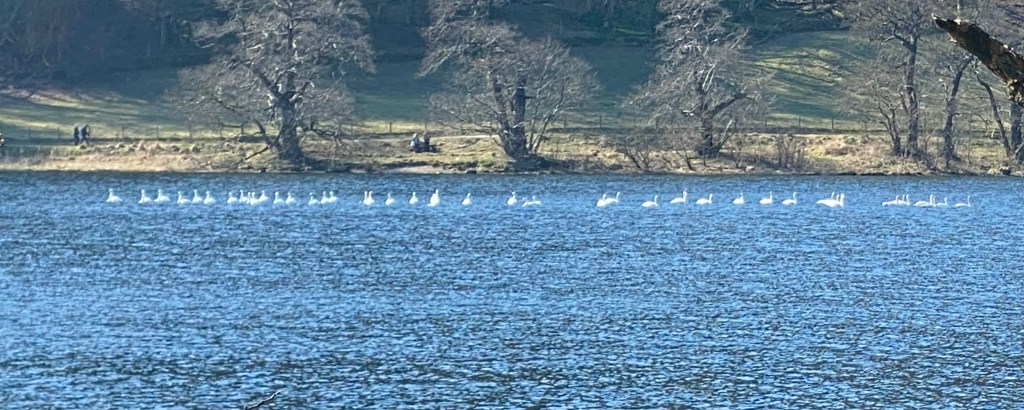
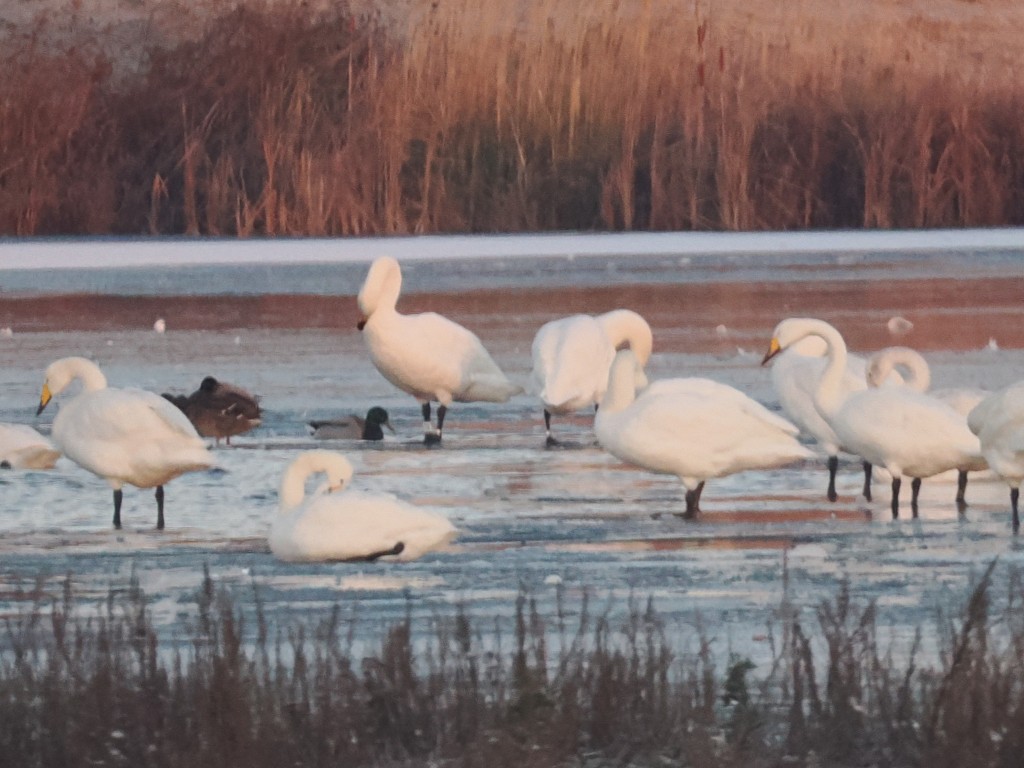
I was fortunate to come across this flock of Whooper Swans on Grasmere on March 18th, 2025. They certainly hadn’t been there in the morning, so they must have arrived sometime after 9:00 am.
In total, there were 44 birds—a magnificent sight in a truly stunning setting.
Each spring, the Whooper Swan embarks on one of nature’s most remarkable journeys, traveling thousands of kilometers from its wintering grounds to its breeding sites in the Arctic. This annual migration is a testament to the resilience and adaptability of these majestic birds, as well as a powerful symbol of the changing seasons and the renewal of life.
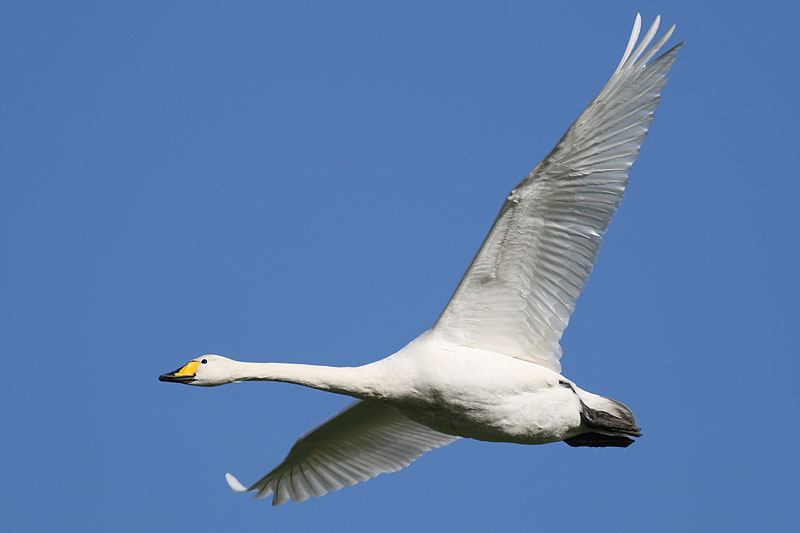
Whooper Swans are large, elegant birds with striking white plumage and distinctive yellow-and-black bills. They spend the winter in milder climates, such as the wetlands of Western Europe, East Asia, and the British Isles, where they forage on aquatic plants, grasses, and agricultural fields. However, as winter gives way to spring, the swans feel the pull of their ancestral breeding grounds in the northern tundra and taiga regions of Iceland, Scandinavia, and Siberia.
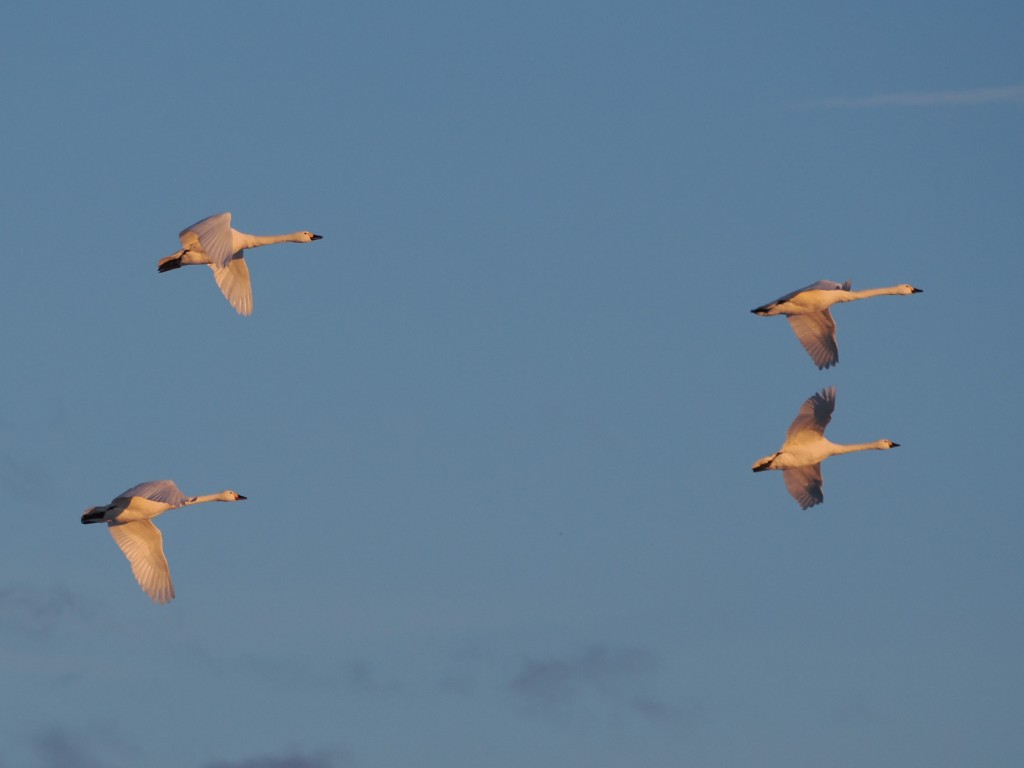
The migration is no small feat. Whooper Swans often fly in V-shaped formations, which reduce wind resistance and allow them to conserve energy during their long journey. They can travel up to 1,000 kilometers in a single day, relying on favorable winds and their incredible endurance. Along the way, they stop at key wetlands and lakes to rest and refuel, often reuniting with other swans in large, noisy flocks. These stopover sites are critical for their survival, providing essential resources before the final push to their breeding grounds.
The timing of the migration is closely tied to the availability of food and the melting of ice in the Arctic. Arriving too early can mean facing harsh conditions and limited resources, while arriving too late can reduce their chances of securing the best nesting sites. Once they reach their destination, the swans pair up and begin the process of building nests near freshwater lakes or ponds. The breeding season is short but intense, as they must raise their cygnets and prepare them for the return migration in the fall.
The Whooper Swan’s spring migration is not just a biological imperative; it is also a source of wonder and inspiration for people around the world. In many cultures, the swan is a symbol of grace, loyalty, and transformation. Their return to the north signals the arrival of spring and the promise of new beginnings.
However, this incredible journey is not without challenges. Climate change, habitat loss, and human disturbance threaten the swans’ migratory routes and breeding grounds. Conservation efforts, such as protecting wetlands and reducing pollution, are essential to ensuring the survival of these iconic birds.
As we witness the Whooper Swan’s spring migration, we are reminded of the interconnectedness of nature and the importance of preserving the delicate balance that allows such extraordinary journeys to continue. Their flight is a celebration of life, resilience, and the enduring beauty of the natural world.


 Andrew Chick Ecology
Leave a comment