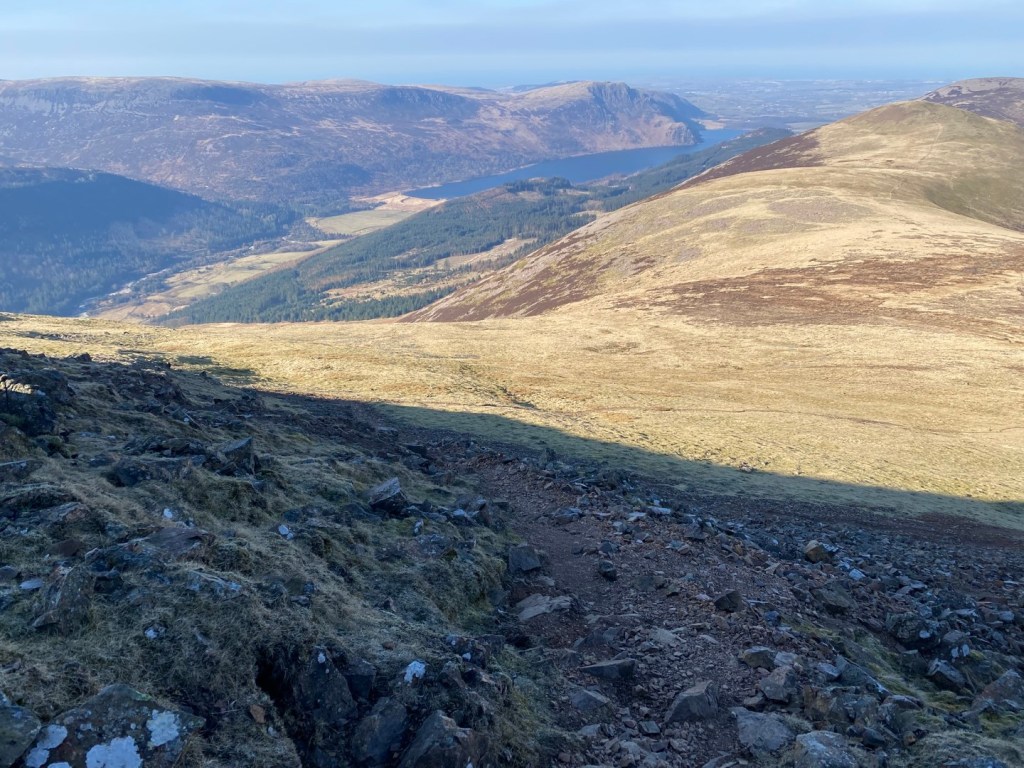
Photo: Ennerdale seen from Red Pike 15th March 2025
Wild Ennerdale: A Vision of Natural Wilderness
Wild Ennerdale is an ambitious and innovative conservation initiative in the Lake District National Park, centered around the Ennerdale Valley in Cumbria, England. This long-term project, launched in 2003, aims to allow the landscape of Ennerdale to evolve naturally with minimal human intervention, creating a space where nature can thrive on its own terms. It is a collaborative effort involving organizations such as the Forestry Commission, the National Trust, United Utilities, and Natural England, as well as local communities and stakeholders.
The Vision of Wild Ennerdale
The core vision of Wild Ennerdale is to let nature take the lead. Instead of managing the land for specific outcomes, the project seeks to reduce human influence and allow natural processes—such as erosion, regeneration, and wildlife movement—to shape the valley. This approach is often referred to as “rewilding,” and it aims to create a more resilient and biodiverse ecosystem.
Key Features of the Ennerdale Valley
Ennerdale is one of the most remote and unspoiled valleys in the Lake District, making it an ideal location for this experiment in rewilding. The valley is home to Ennerdale Water, the most westerly lake in the Lake District, surrounded by dramatic fells such as Pillar, Great Gable, and High Stile. The area is characterized by its rugged beauty, with a mix of ancient woodlands, river systems, and open moorland.
Rewilding in Action
The Wild Ennerdale project has implemented several key changes to reduce human impact and encourage natural processes:
- Reduced Grazing: Traditional sheep farming has been scaled back to allow vegetation to regenerate naturally, which in turn supports a wider range of wildlife.
- Natural Woodland Regeneration: Instead of planting trees, the project allows native woodlands to regenerate on their own, creating a more diverse and resilient forest ecosystem.
- River Restoration: The River Liza, which flows through the valley, has been given more freedom to meander and flood naturally, improving habitats for fish and other aquatic species.
- Habitat Diversity: By stepping back from intensive land management, the project has encouraged the development of a mosaic of habitats, from wetlands to scrubland, which support a variety of species.
Wildlife and Biodiversity
Wild Ennerdale has become a haven for wildlife. The valley is home to species such as red squirrels, otters, and rare birds like the ring ouzel and black grouse. The restoration of natural habitats has also benefited insects, amphibians, and plant life, contributing to a richer and more balanced ecosystem.
A Space for People
While the focus of Wild Ennerdale is on nature, the project also recognizes the importance of human connection to the landscape. The valley remains open for visitors to enjoy, with opportunities for walking, cycling, and quiet reflection. However, the emphasis is on low-impact recreation, ensuring that the natural environment is respected and preserved.
A Model for the Future
Wild Ennerdale is seen as a pioneering example of rewilding in the UK. It challenges traditional approaches to land management and offers a vision of how nature can recover and thrive when given the space and freedom to do so. The project has inspired similar initiatives elsewhere and continues to demonstrate the benefits of working with nature rather than against it.
In summary, Wild Ennerdale is a living experiment in rewilding, where nature is allowed to take the lead in shaping the landscape. It is a place of stunning beauty, rich biodiversity, and quiet inspiration, offering a glimpse of what the future of conservation could look like. Whether you’re a nature enthusiast, a hiker, or simply someone who values wild spaces, Ennerdale is a testament to the power of letting nature be.

 Andrew Chick Ecology
Leave a comment