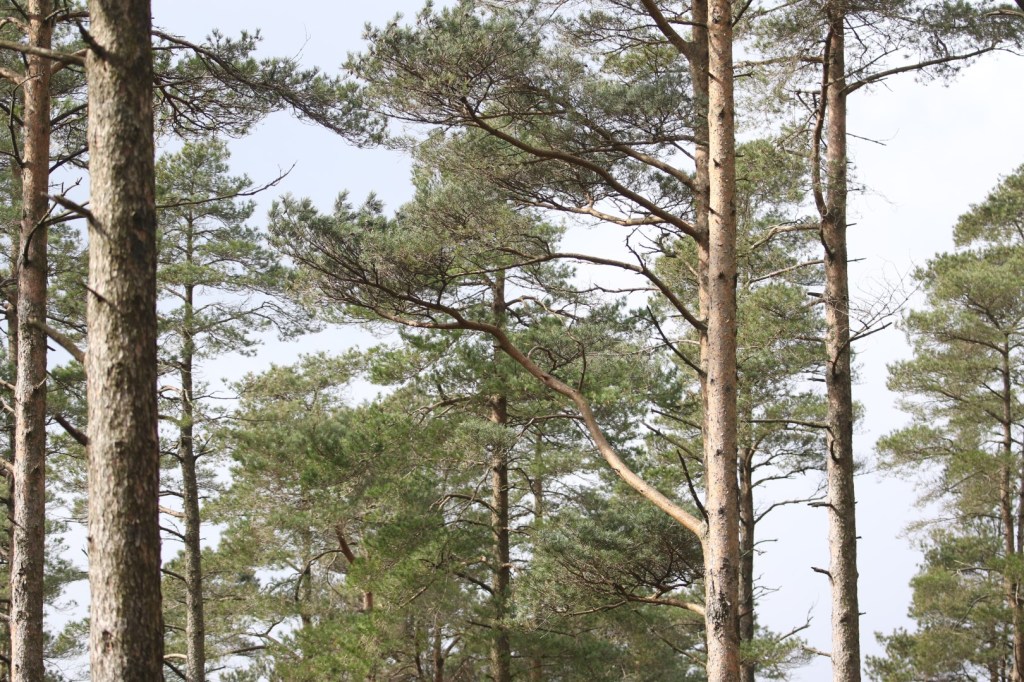
The crossbill (Loxia curvirostra) is a unique finch species known for its specialized crossed bill, adapted for extracting seeds from conifer cones. In England, crossbills are primarily found in coniferous woodlands, particularly in areas with Scots pine, Norway spruce, and larch.
Breeding Cycle of Crossbills in England
Crossbills have an unusual breeding cycle compared to most birds, as they do not adhere to a fixed season. Instead, they breed when food (conifer seeds) is abundant, which can occur at any time of year. However, the most frequent breeding period is between December and April, especially in years with plentiful cone crops. In such productive years, crossbills may raise multiple broods.
Courtship begins with males performing aerial displays and singing to attract females. Once paired, they form strong monogamous bonds for the breeding season. The female selects a nesting site high in a conifer, often near the trunk or on a horizontal branch, and constructs the nest using twigs, moss, and lichen, lined with softer materials like grass and feathers. The male guards her during this time and provides food.
A typical clutch consists of 3–4 eggs, which the female incubates for about 13–16 days. Throughout incubation, the male continues to feed her. After hatching, the blind and helpless nestlings are fed regurgitated seeds by both parents. The young fledge at 18–22 days old but remain dependent on their parents for another 2–3 weeks as they learn to forage. Juvenile crossbills initially have straight bills, which gradually develop the characteristic crossed shape as they mature.
Breeding success is heavily dependent on cone availability. In years with poor cone crops, crossbills may delay or forgo breeding altogether. Their nomadic nature drives them to relocate in search of better food supplies, making their populations somewhat unpredictable.
Conservation Notes
In England, crossbills are Amber-listed due to their reliance on conifer plantations. They are sensitive to forest management practices, particularly clear-cutting, which reduces their food supply. Additionally, climate change may disrupt cone production, further affecting their breeding cycles.

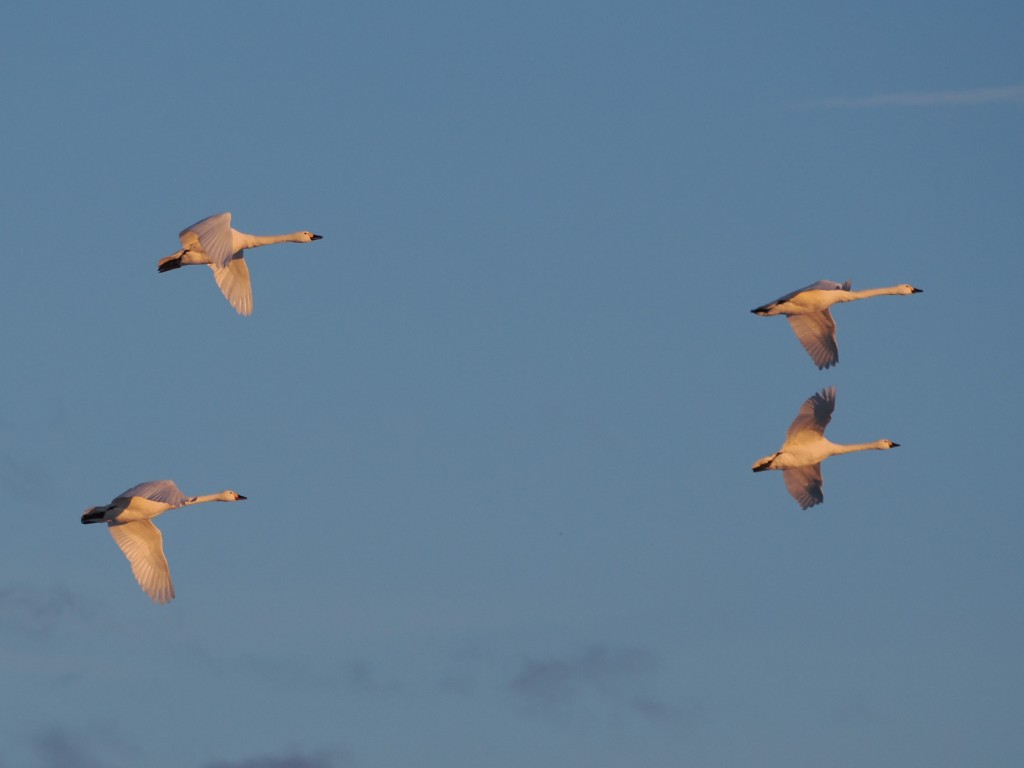
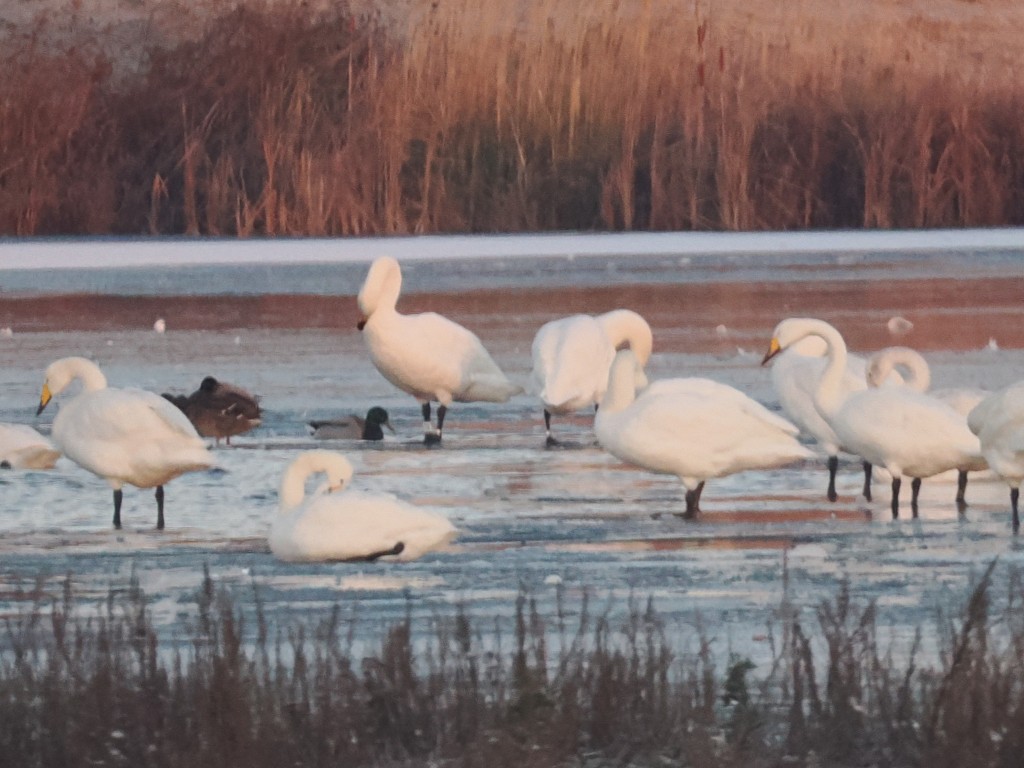
A photo of some Grizedale Crossbills taken March 2025 (c) Andrew Chick

 Andrew Chick Ecology
Leave a comment