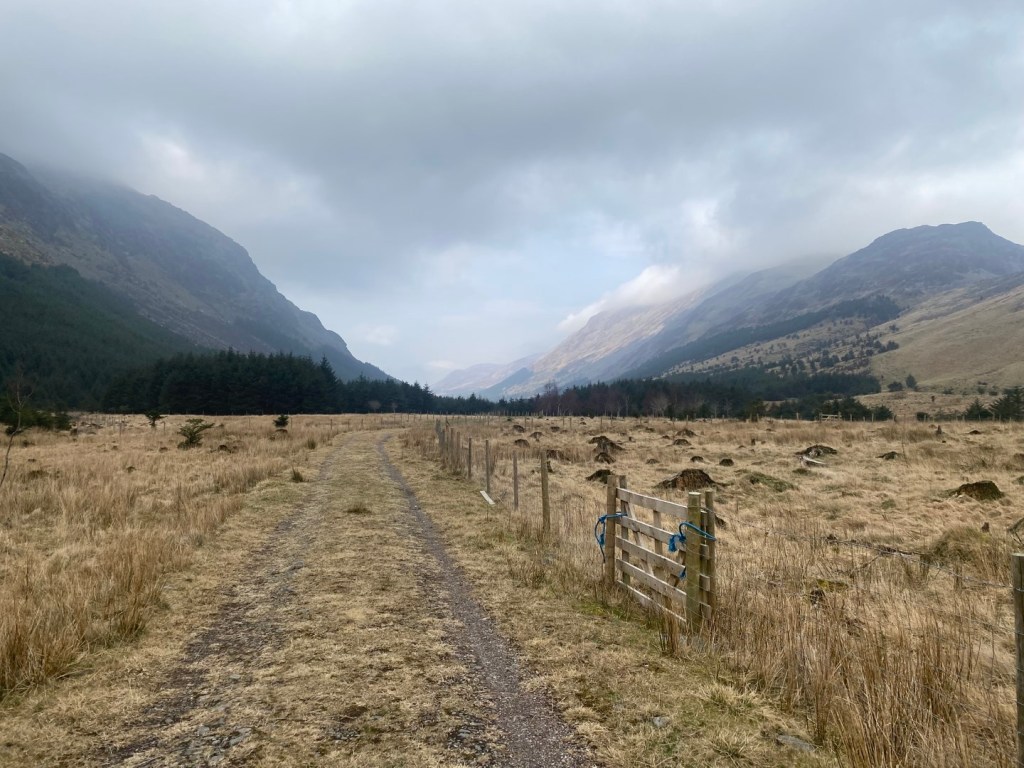
As spring heralds the return of migratory birds to the UK’s nature reserves and wild landscapes, leading conservation organisations are calling on dog owners to help safeguard vulnerable wildlife. In the Lake District and other cherished natural areas, The Wildlife Trusts and Dogs Trust are urging walkers to keep their dogs on leads during the critical ground-nesting season, which runs from February to August.
A Fragile Time for Wildlife
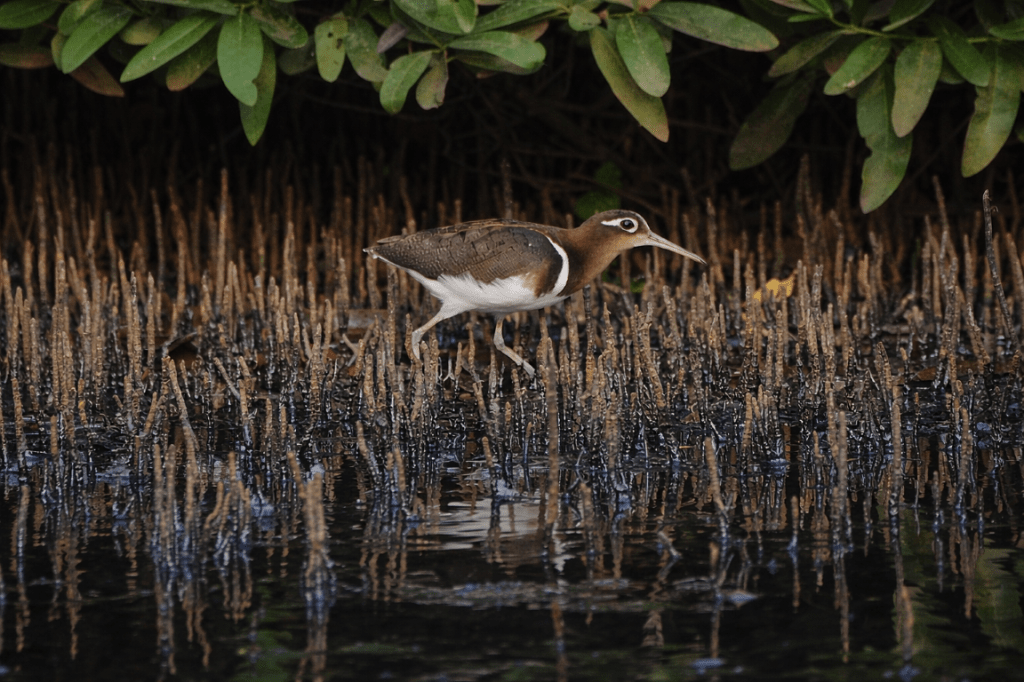
During these months, species such as skylarks, lapwings, and nightjars nest at ground level, making them highly susceptible to disturbance. Uncontrolled dogs—even well-behaved ones—can inadvertently scare adult birds away from their nests, leaving eggs and chicks exposed to predators and harsh weather. The Lake District’s diverse habitats, from moorlands to lakeshores, provide vital breeding grounds for these birds, making responsible dog walking especially important.
A Call for Vigilance
Actor and Wildlife Trusts ambassador David Oakes emphasised the need for awareness: “Whether exploring a nature reserve, wandering the fells of the Lake District, or enjoying the countryside, keeping your dog on a lead is crucial. From ground-nesting birds and seal pups to livestock and fragile habitats, a lead helps protect wildlife while ensuring a safe and enjoyable walk for everyone.”
Dr Jenna Kiddie, Head of Canine Behaviour at Dogs Trust, added: “Many of us love taking our dogs on long walks, especially as the weather improves. But we must consider our surroundings—particularly in places like the Lake District, where wildlife thrives. Keeping dogs under close control helps preserve these precious ecosystems.”
Beyond Nest Disturbance: Other Impacts
The effects of uncontrolled dogs extend beyond disturbing birds. Dog waste left in sensitive areas can introduce excess nutrients into the soil, disrupting delicate ecosystems and threatening wildflowers. Straying from paths can also damage vegetation and disturb other wildlife, such as deer and rare amphibians. Simple steps—like using short leads in sensitive zones, cleaning up after pets, and sticking to marked trails—can make a big difference.
Enjoying the Outdoors Responsibly
The Lake District’s stunning landscapes are a haven for both people and wildlife. By keeping dogs on leads in key areas, staying on designated paths, and being mindful of seasonal wildlife activity, dog owners can help ensure these natural spaces remain vibrant and biodiverse for years to come.
Together, we can all play a part in protecting the UK’s wildlife—so that future generations can enjoy the beauty of the Lake District and beyond.
#KeepDogsOnLead #RespectProtectEnjoy
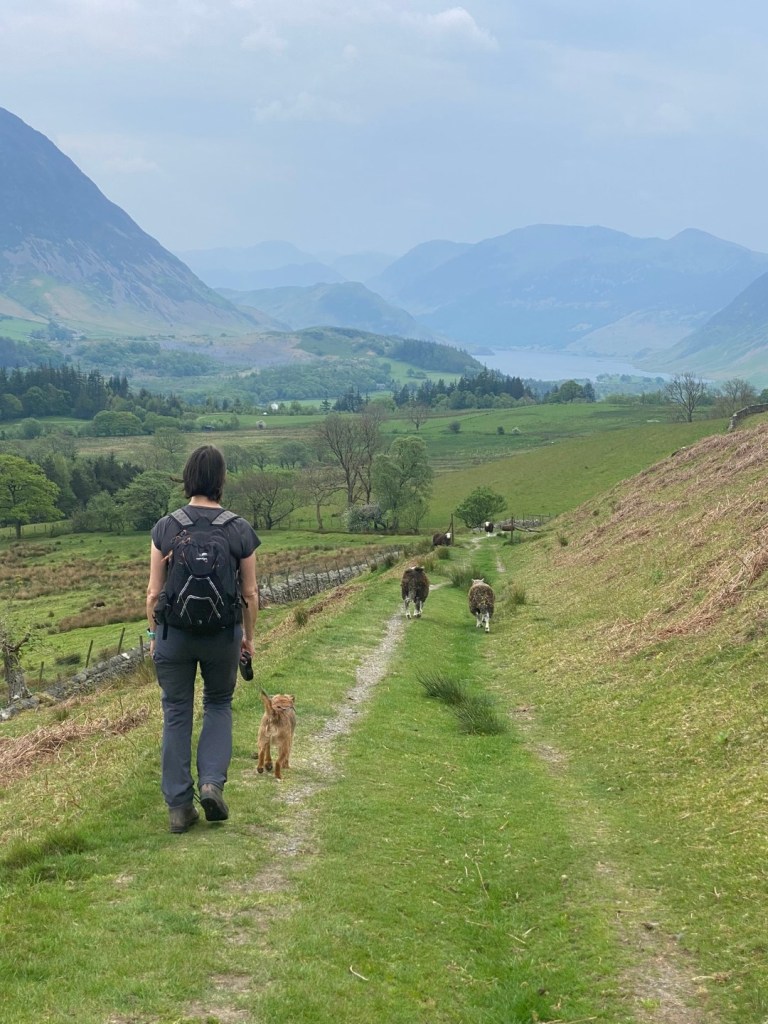
Dogs on Leads! #KeepDogsOnLead #RespectProtectEnjoy

 Andrew Chick Ecology
Leave a comment