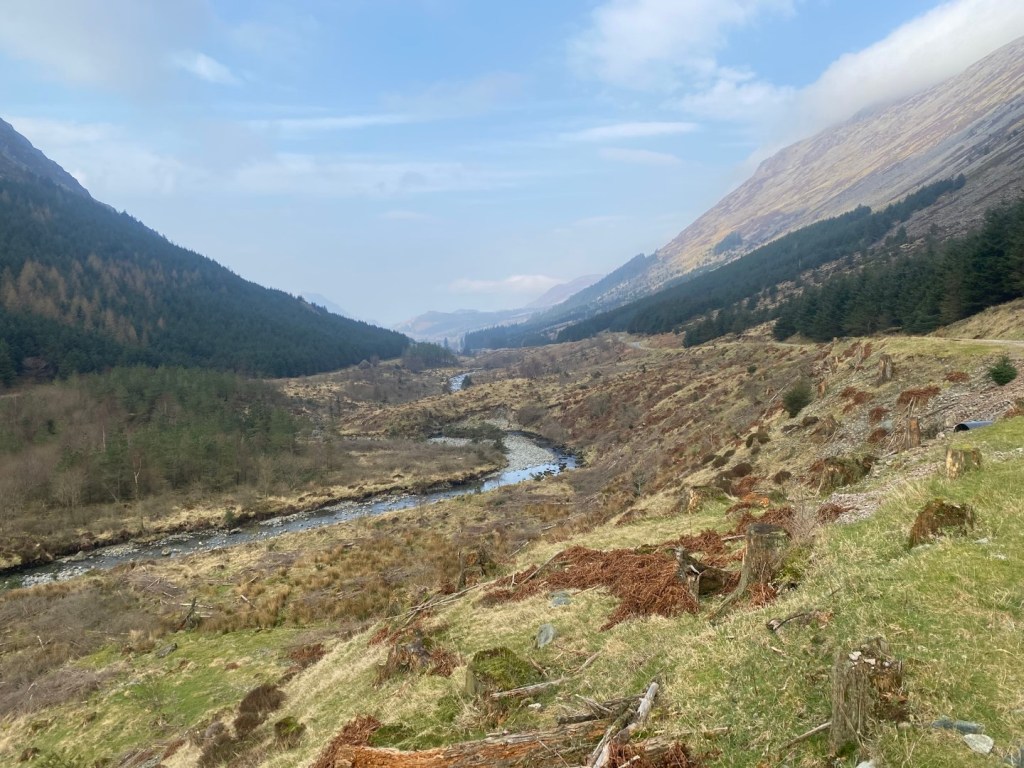
Wild Ennerdale is a landscape-scale conservation project in the Lake District National Park, England. It focuses on allowing natural processes to shape the Ennerdale Valley with minimal human intervention, promoting rewilding, biodiversity, and sustainable land use. The project is a partnership between the Forestry Commission, United Utilities, the National Trust, and Natural England.
How Clean is the River in Ennerdale?
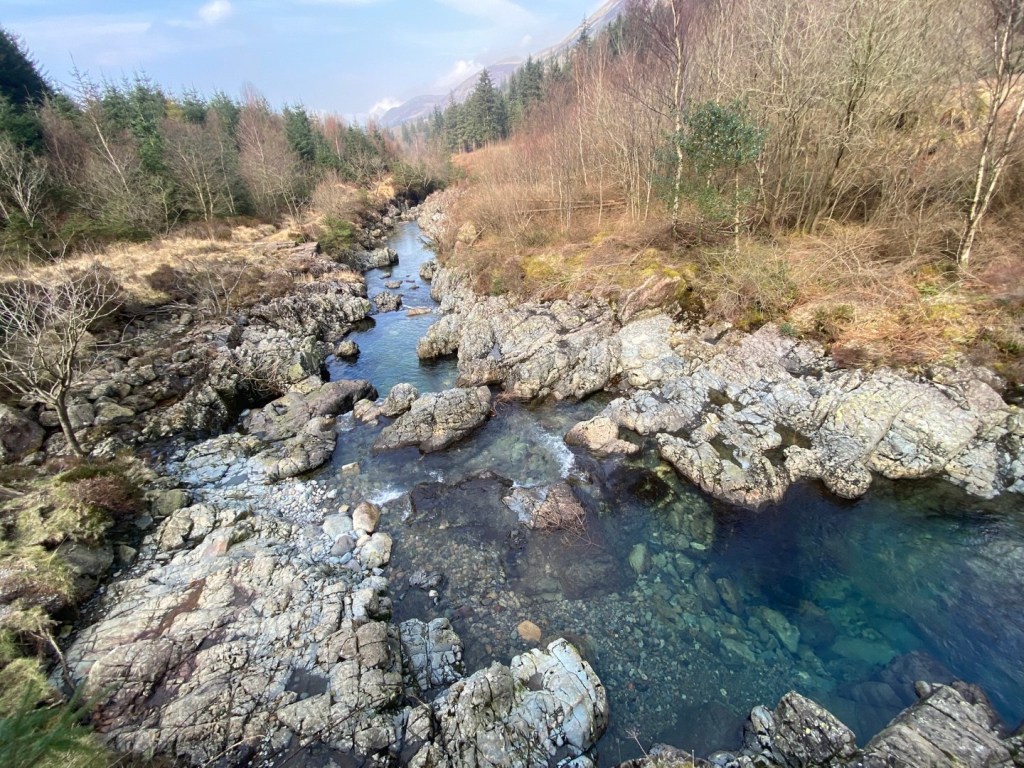
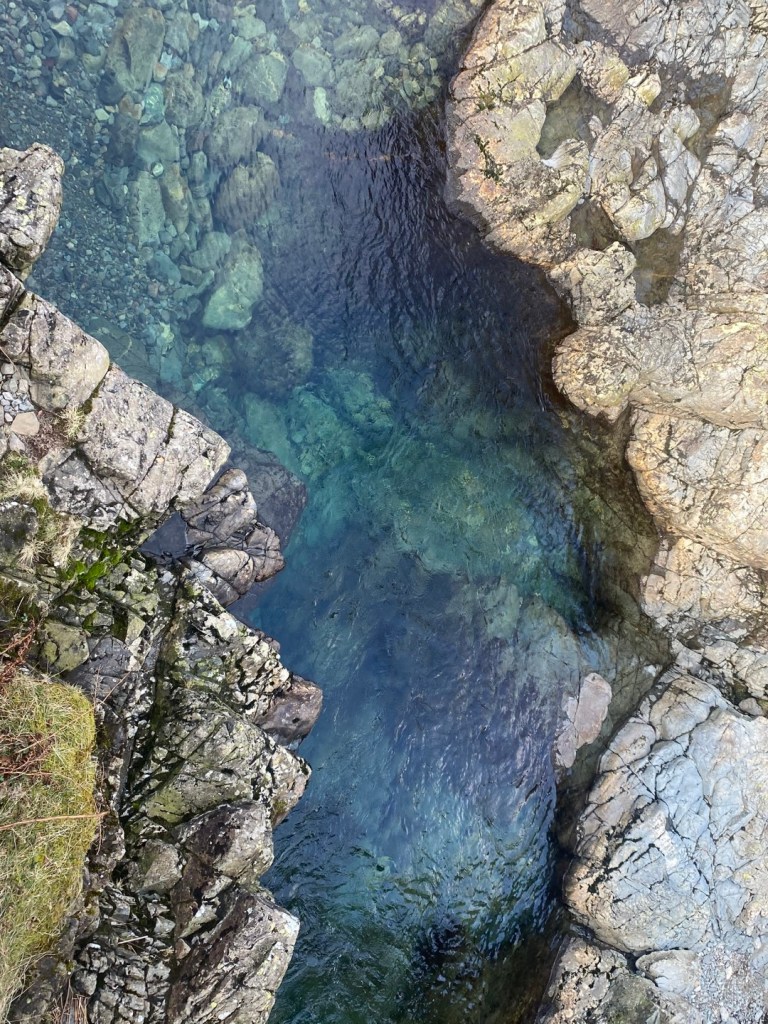
The River Liza (which flows through Ennerdale) and Ennerdale Water (the lake at the valley’s head) are among the cleanest and least disturbed water bodies in England. Key factors contributing to their cleanliness include:
- Minimal Pollution – The remote, undeveloped nature of the valley means there is little agricultural runoff, sewage discharge, or industrial pollution.
- Natural Processes – The Wild Ennerdale approach reduces human interference, allowing the river to flow naturally with healthy sediment and nutrient cycles.
- Protected Status – The area is part of a National Nature Reserve (NNR) and a Special Area of Conservation (SAC), ensuring high water quality standards.
- Wildlife Indicators – The presence of sensitive species like freshwater pearl mussels, Atlantic salmon, and wild brown trout suggests excellent water quality.
Water Quality Ratings
- The River Liza and Ennerdale Water consistently achieve “Good” or “High” ecological status under the EU Water Framework Directive (now UK standards).
- Low levels of phosphates, nitrates, and other pollutants compared to more populated areas.
Challenges
- Some historical impacts from sheep grazing (though reduced under Wild Ennerdale).
- Climate change could affect rainfall patterns and water temperature.
Overall, Ennerdale’s river system is one of the cleanest in England, benefiting from its wild, protected status.

 Andrew Chick Ecology
Leave a comment