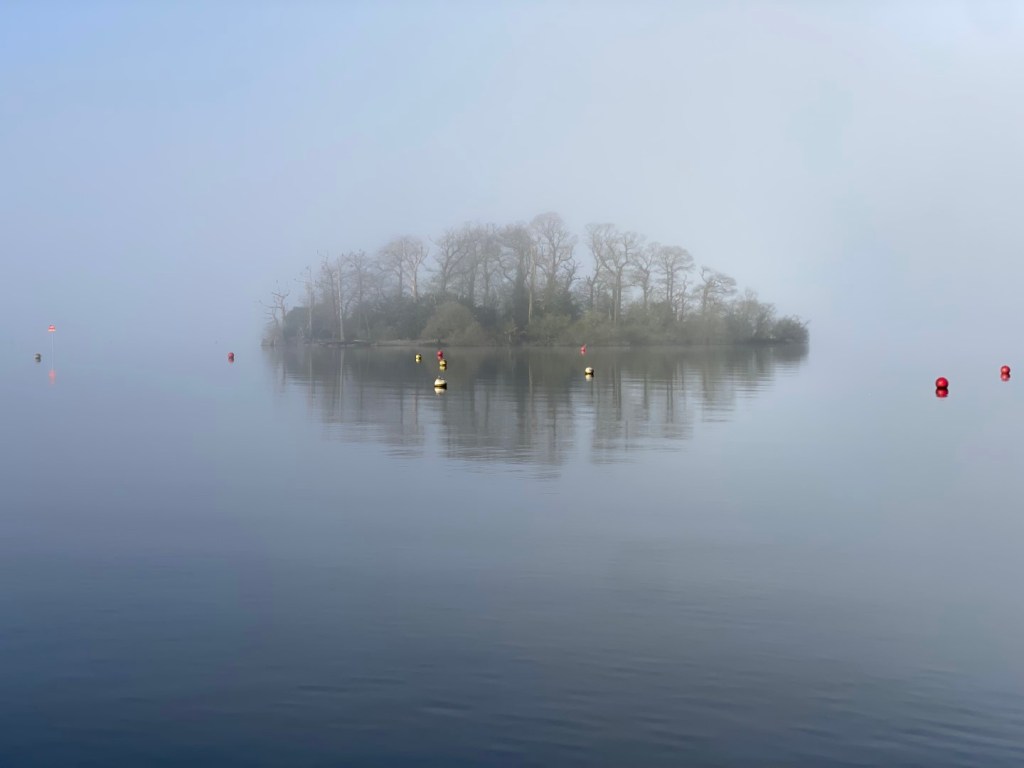
A landmark scientific report examining the water quality of Windermere, England’s largest natural lake, has been published. Titled ‘A Changing Windermere,’ the report is produced by the Love Windermere Partnership and draws on decades of scientific data and analysis.
The research compiled by the Freshwater Biological Association, combined with the most current data on Windermere’s water quality, has been guided by Lancaster University and reviewed by the UK Centre for Ecology & Hydrology and the Environment Agency Chief Scientists Group. The report consolidates the latest research, highlights the ecological status of Windermere, and explores the challenges of pollution and climate change.
Findings indicate that total phosphorus concentrations peaked in the 1990s but subsequently declined and have remained relatively stable over the last 15 years, largely due to improvements in wastewater treatment. Similarly, total nitrogen concentrations in the north and south basins have shown stability since 2008. Windermere’s four designated bathing waters, which monitor bacteria such as E. coli, have consistently achieved the highest classification of cleanliness, ‘excellent,’ since 2015.
The presence of a diverse range of fish species, including Atlantic salmon and sea trout, indicates clean water and a high-quality habitat. Additionally, the presence of otters further reinforces the lake’s ecological health. However, climate change is affecting natural processes within Windermere, leading to an increase in algal blooms, including blue-green algae. The lake’s temperature has risen by 1.7°C over the last 70 years, encouraging earlier and prolonged algal blooms. This shift benefits coarse fish species such as ruffe and roach while making conditions increasingly difficult for the iconic Arctic charr.

Although progress has been made in water quality improvements, the report emphasizes the need for continued efforts to reduce pollution, restore habitats, and address the impacts of climate change. The Love Windermere Partnership, comprising local public, private, and third-sector organizations, is dedicated to protecting and improving the lake. The partnership values the contributions of local businesses and the scientific community, whose decades of research and data collection inform ongoing conservation efforts. Committed to evidence-based solutions, the partnership strives to balance the needs of nature, local communities, and the economy to ensure Windermere’s long-term health and sustainability.
Nigel Wilkinson, Chair of the Love Windermere Partnership, said:
“A Changing Windermere is a vital resource in understanding the current condition of the lake and guiding future action.”
“While we’ve seen positive changes, we must continue working together to address the challenges that remain. Through collaboration, investment, and science-led solutions, we can secure a healthier future for Windermere for generations to come.”
Download the report at https://lovewindermere.co.uk/a-changing-windermere/





 Andrew Chick Ecology
Leave a comment