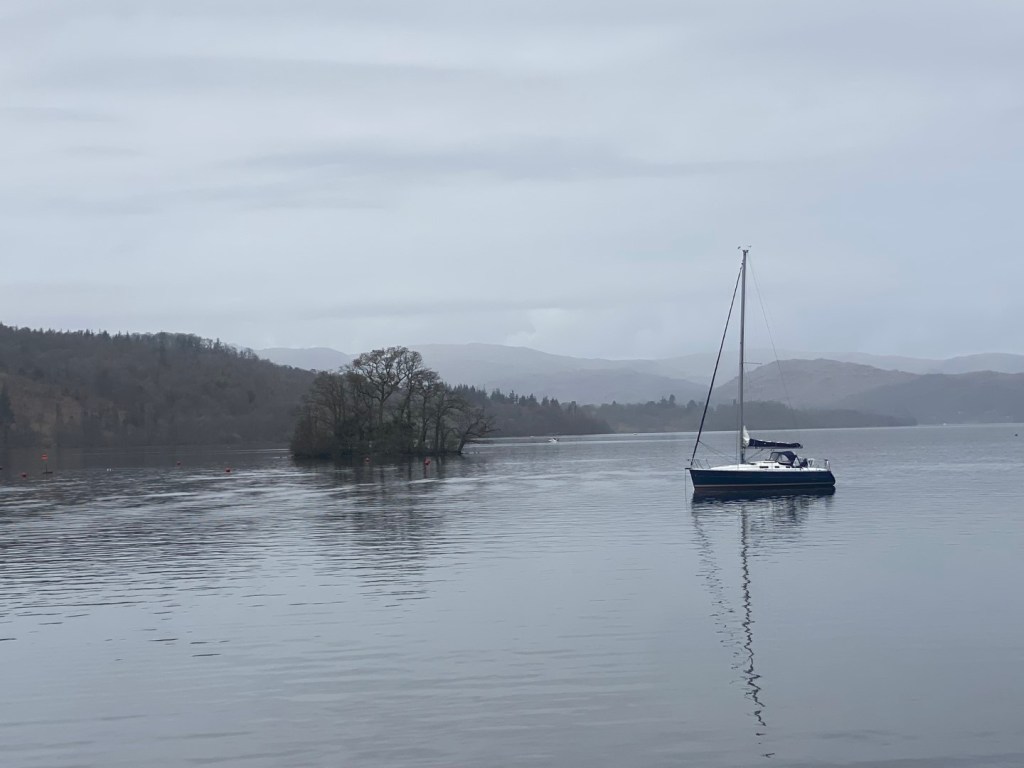
Fish communities serve as key indicators of Windermere’s overall water quality. A 2015 report from the UKCEH Lakes Tour documented the fish species present in Windermere, including Arctic charr, brown trout, Atlantic salmon, pike, perch, eel, three-spined stickleback, and European bullhead. Environmental DNA (eDNA) data collected in 2015/16 confirmed the presence of these species.
However, their populations are shifting due to rising lake temperatures and predation by non-native species or those better adapted to warming conditions. Coarse fish such as bream, carp, roach, rudd, ruffe, and tench are believed to have been introduced to Windermere, with their numbers increasing as the changing environment favors them. These species were likely introduced as live bait by anglers or transferred from other lakes and rivers in the catchment, sometimes illegally for recreational fishing.
The composition and abundance of fish in the lake play crucial roles in the ecosystem. Species like roach and ruffe can impact native fish, with ruffe preying on Arctic charr eggs and both competing for food sources such as zooplankton. Increased fish predation on zooplankton may reduce their ability to control algae populations, potentially leading to unchecked algal growth.
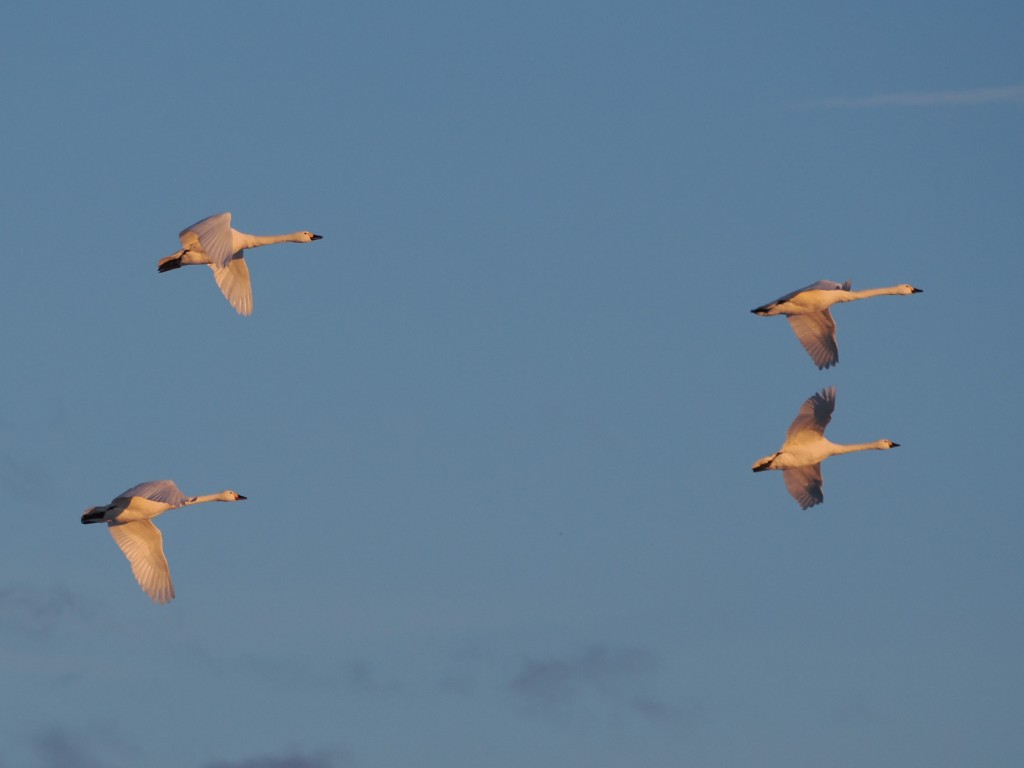
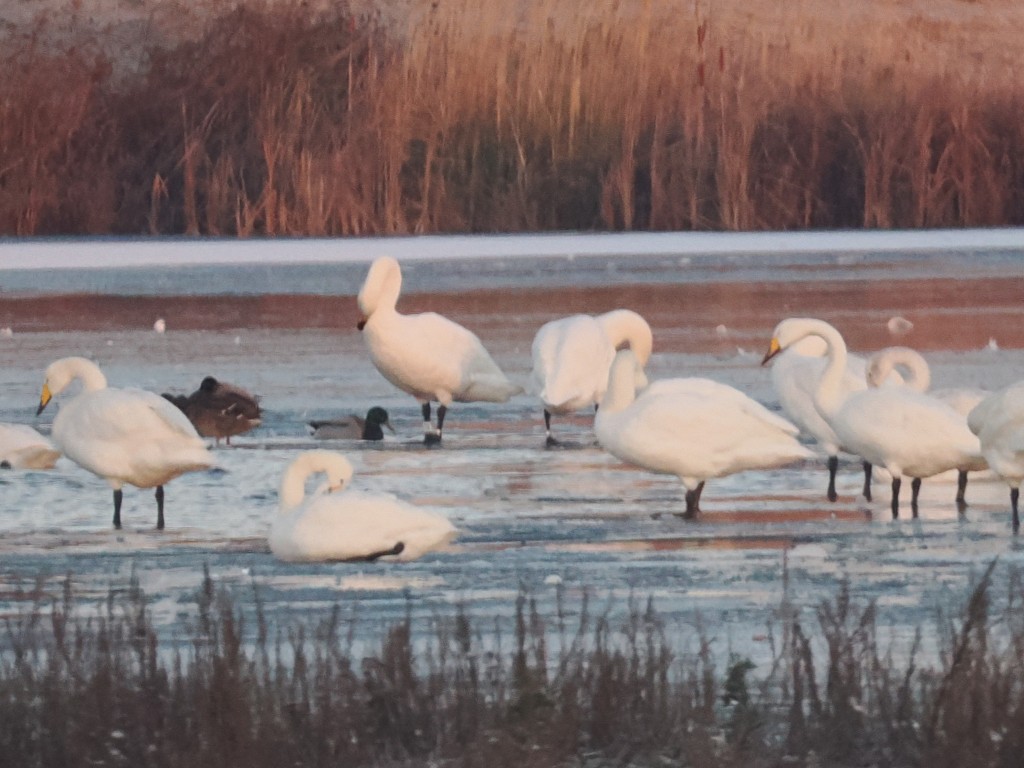
Windermere, the largest natural lake in England, supports a diverse range of bird species, making it an important habitat for both resident and migratory birds. The lake’s rich ecosystem, consisting of open water, reed beds, woodlands, and surrounding wetlands, provides feeding, breeding, and roosting opportunities for various avian species.

Common Bird Species
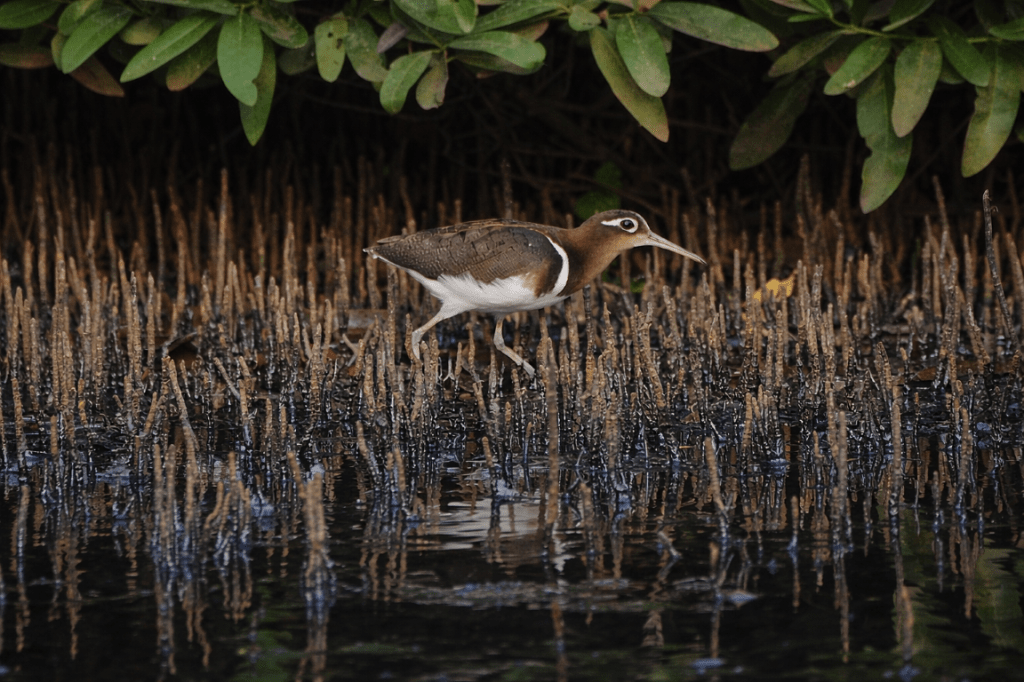
Several waterfowl and wading birds are commonly found on and around Windermere, including:
- Mute swan (Cygnus olor) – A resident species often seen gliding across the lake.
- Mallard (Anas platyrhynchos) – A widespread duck species that thrives in the lake’s environment.
- Canada goose (Branta canadensis) – An introduced species that has established a stable population.
- Great crested grebe (Podiceps cristatus) – Known for its elaborate courtship displays in spring.
- Cormorant (Phalacrocorax carbo) – A fish-eating bird that frequently perches on trees and rocks to dry its wings.
Other notable species include tufted ducks, coots, moorhens, and herons, which rely on the lake’s abundant food sources.
Seasonal Visitors
Windermere attracts migratory birds, particularly in winter, when species such as goldeneye and goosander arrive from colder regions to take advantage of the lake’s open water. In summer, swallows, house martins, and sand martins can be seen skimming the lake’s surface in search of insects.
Conservation and Challenges
Despite the richness of its birdlife, Windermere’s bird populations face challenges from habitat loss, pollution, and human disturbances, such as boating and tourism. The spread of invasive species and climate change also affect food availability and nesting sites. Conservation efforts, including habitat protection and monitoring programs, are essential to maintaining the health of Windermere’s bird populations.


 Andrew Chick Ecology
Leave a comment