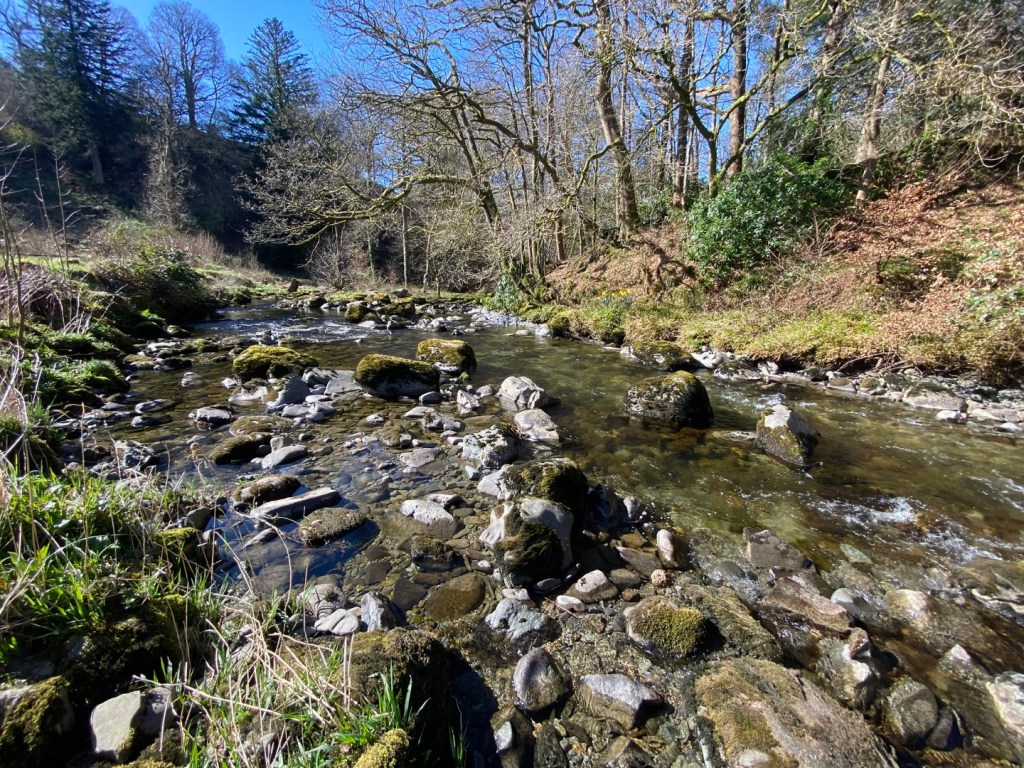
The river and its surrounding environment support a rich variety of plant and animal species. The riverbanks are lined with native trees such as alder, willow, and birch, while wildflowers, including bluebells and marsh marigolds, add a splash of color during spring and summer.
In terms of wildlife, Troutbeck is home to brown trout, a species that thrives in its clean, oxygen-rich waters. Kingfishers, herons, and dippers can often be seen along the river’s edge, hunting for small fish and insects. Additionally, otters have been spotted in recent years, indicating a healthy and thriving ecosystem.
Historical and Cultural Significance
The River Troutbeck has played an important role in local history. The name “Troutbeck” itself is derived from Old Norse, meaning “trout stream,” signifying its long-standing association with fishing. The village of Troutbeck, through which the river flows, is home to traditional Cumbrian farmsteads and historic inns, some of which date back to the 17th century.
One notable figure linked to this area is Beatrix Potter, the beloved children’s author and conservationist. Potter owned land near Troutbeck and was passionate about preserving the region’s natural beauty.
Conservation and Sustainability
Efforts to maintain the pristine condition of the River Troutbeck are ongoing. Local conservation groups and national parks work together to prevent pollution, protect habitats, and promote sustainable tourism. Visitors are encouraged to follow “leave no trace” principles to help preserve this beautiful waterway for future generations.
Agricultural runoff can have significant impacts on upland rivers, affecting water quality, ecosystems, and biodiversity. Here are some key effects:
1. Nutrient Pollution (Eutrophication)
- Fertilizers containing nitrogen and phosphorus can wash into upland rivers, leading to excessive nutrient levels.
- This can cause algal blooms, which reduce oxygen levels in the water and harm aquatic life.
2. Sedimentation
- Soil erosion from plowed fields and overgrazed land increases sediment in rivers.
- Excess sediment can smother fish eggs, reduce light penetration, and clog the gills of aquatic organisms.
3. Pesticide Contamination
- Herbicides and insecticides can enter waterways, harming fish, invertebrates, and beneficial plant life.
- Even low concentrations can disrupt aquatic food chains and reproductive cycles of species.
4. Livestock Waste and Pathogens
- Manure and slurry runoff introduce bacteria (e.g., E. coli) and parasites into rivers.
- This can degrade water quality, making it unsafe for human consumption and recreation.
5. Altered River Flow and Habitat Destruction
- Drainage practices and land conversion can change river flow patterns, leading to habitat loss.
- Wetlands and riparian zones, which naturally filter pollutants, are often damaged by intensive farming.
6. Acidification and Heavy Metal Contamination
- Some fertilizers contribute to soil acidification, which can lower the pH of upland rivers.
- Acidic waters can leach heavy metals from the soil, which are toxic to fish and other wildlife.
Mitigation Strategies
- Implementing buffer zones with vegetation along riverbanks to filter runoff.
- Adopting sustainable farming techniques such as cover cropping and reduced tillage.
- Regulating the timing and amount of fertilizer and pesticide applications.
- Encouraging responsible grazing practices to reduce soil erosion.
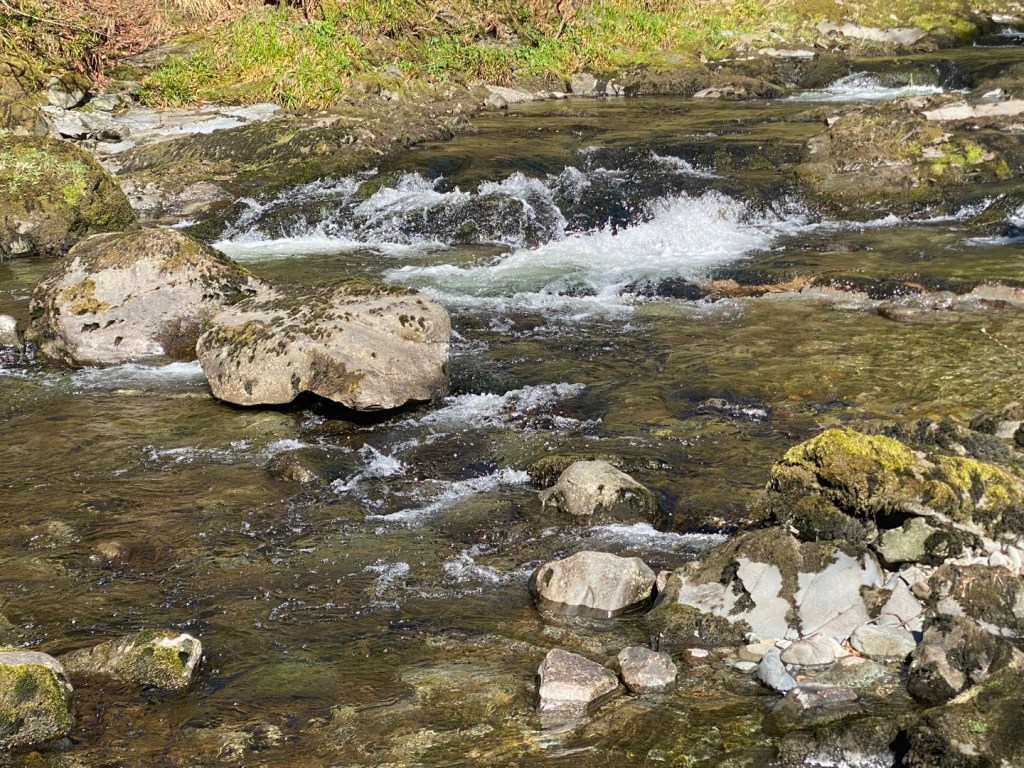
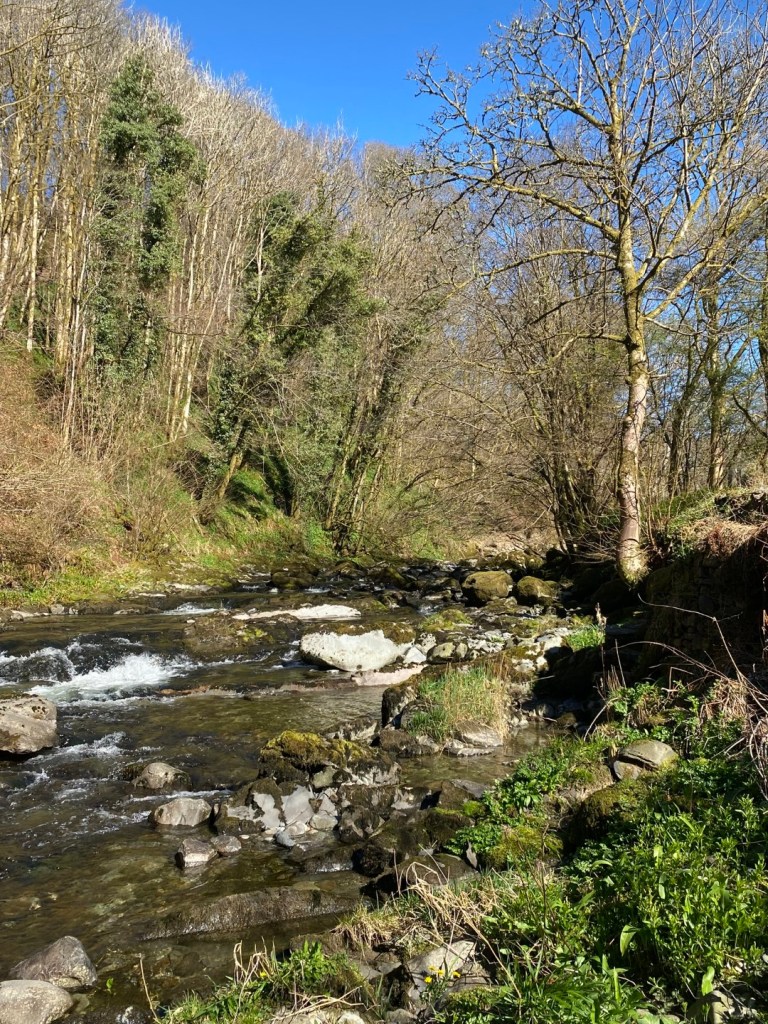
All photos of the River Troutbeck at Thickholme, just south of Troatbeck Village (March 2025)
White-clawed crayfish (Austropotamobius pallipes) are native to the UK and are found in clean, well-oxygenated freshwater habitats, including upland rivers and streams. Given the River Troutbeck’s relatively pristine conditions and its location in the Lake District, it is possible that white-clawed crayfish could inhabit its waters.
However, their presence is increasingly threatened by habitat loss, pollution, and the spread of the invasive signal crayfish (Pacifastacus leniusculus), which outcompetes them and spreads a deadly crayfish plague. Many upland rivers that once supported white-clawed crayfish have seen declines due to these pressures.
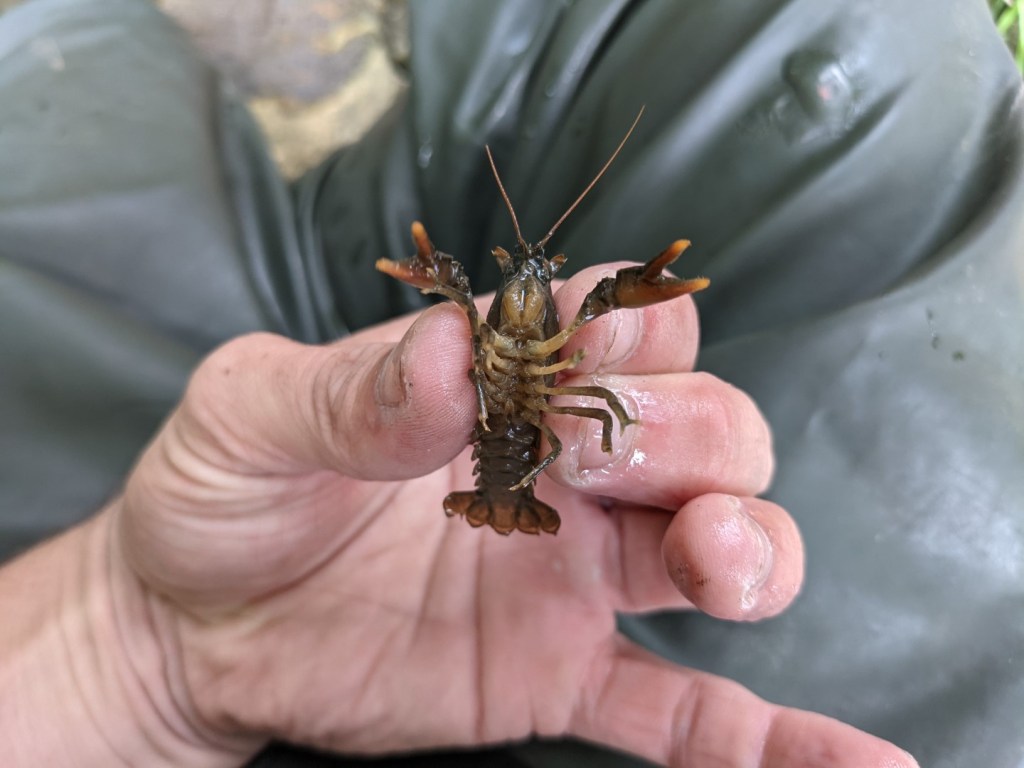
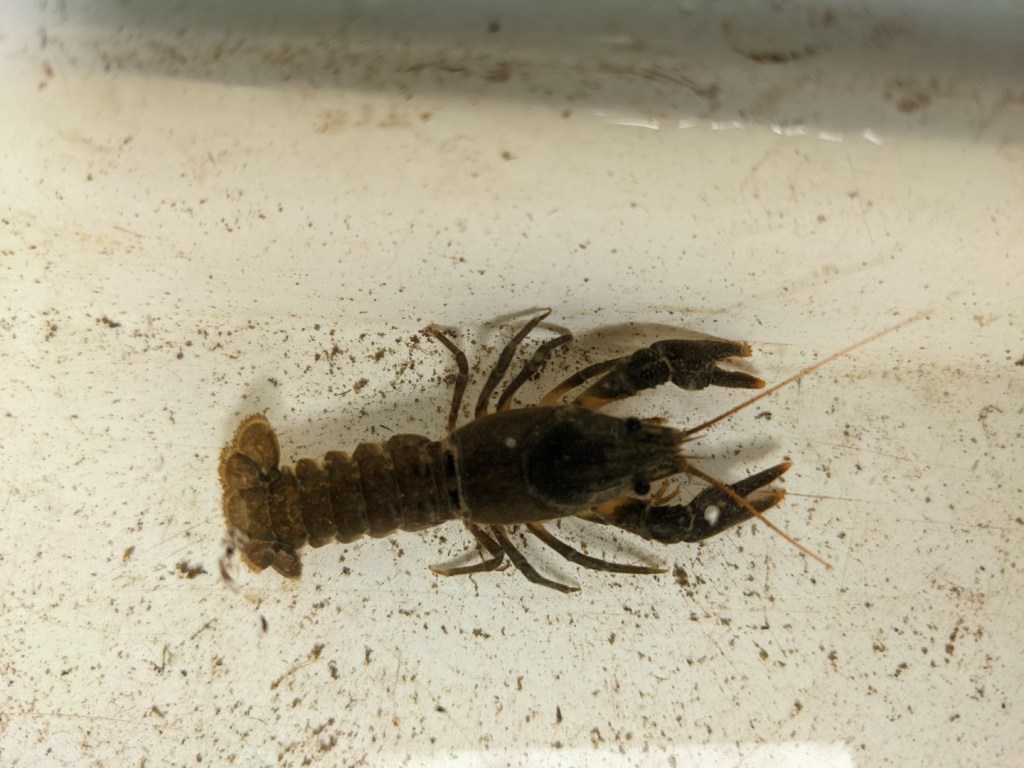
White-clawed Crayfish images taken while working with a licenced surveyor.

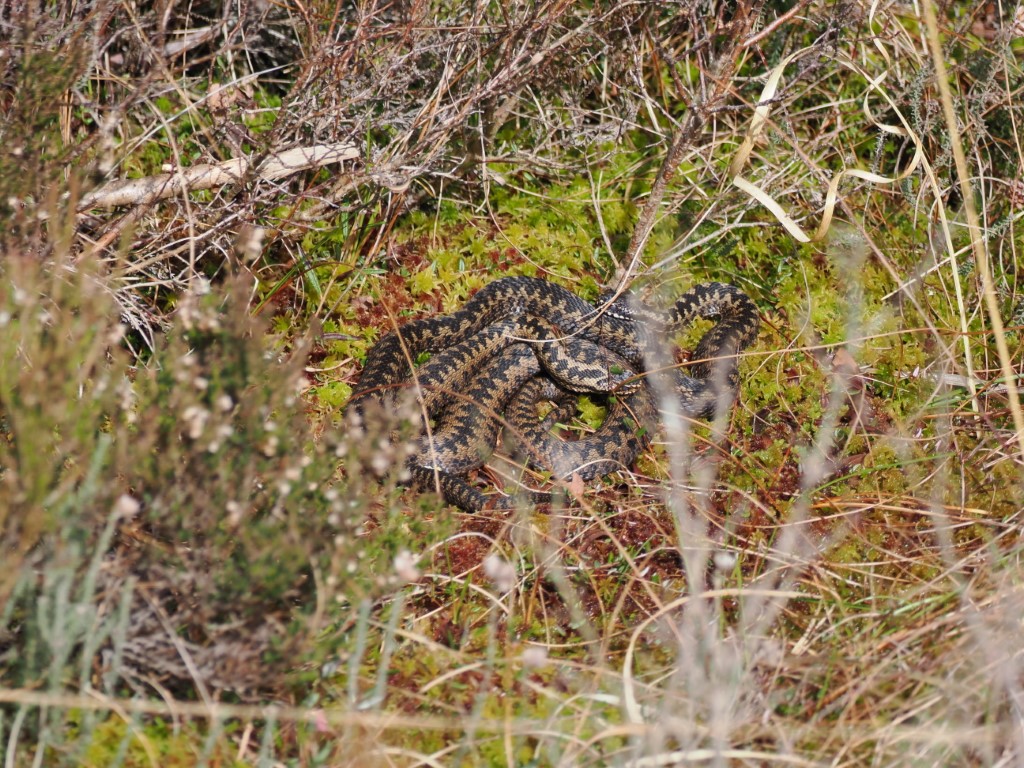
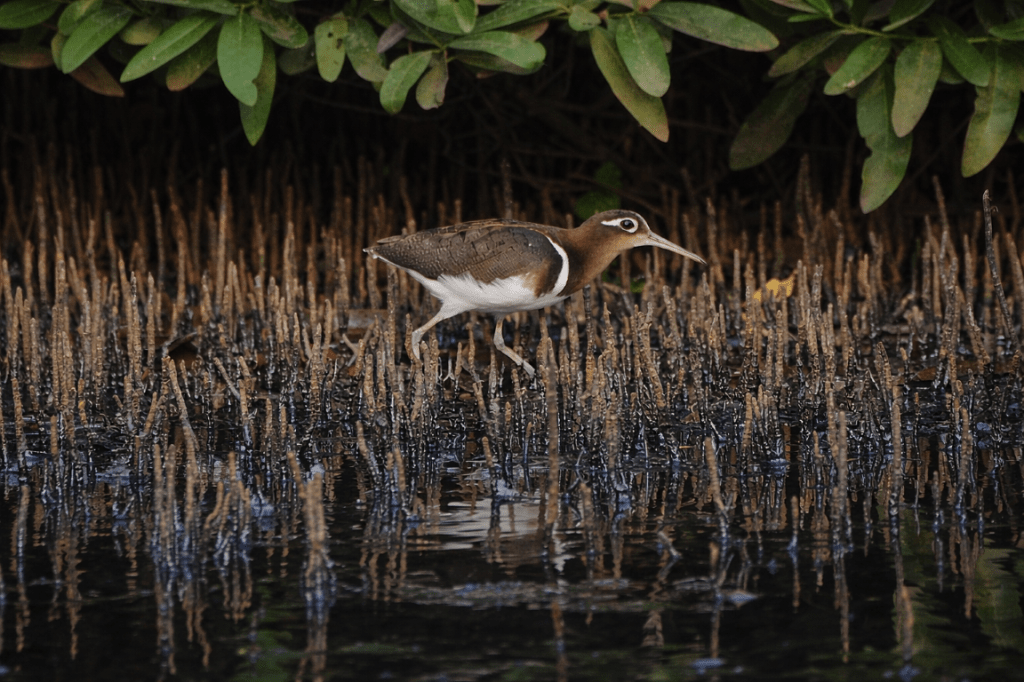
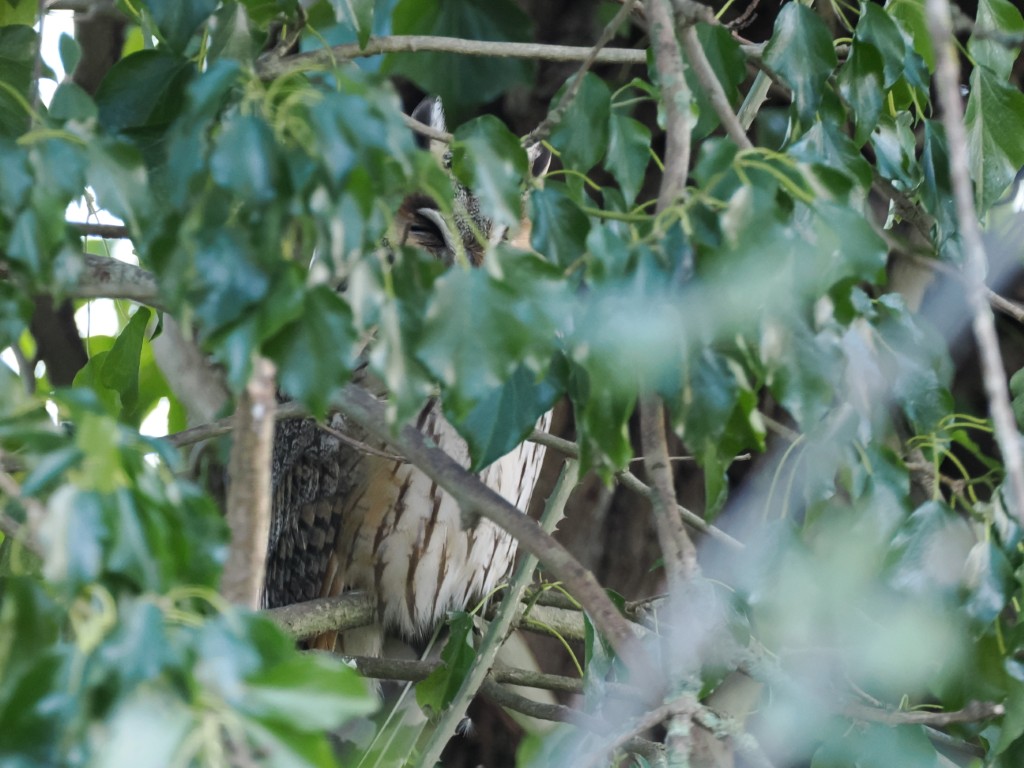
 Andrew Chick Ecology
Leave a comment