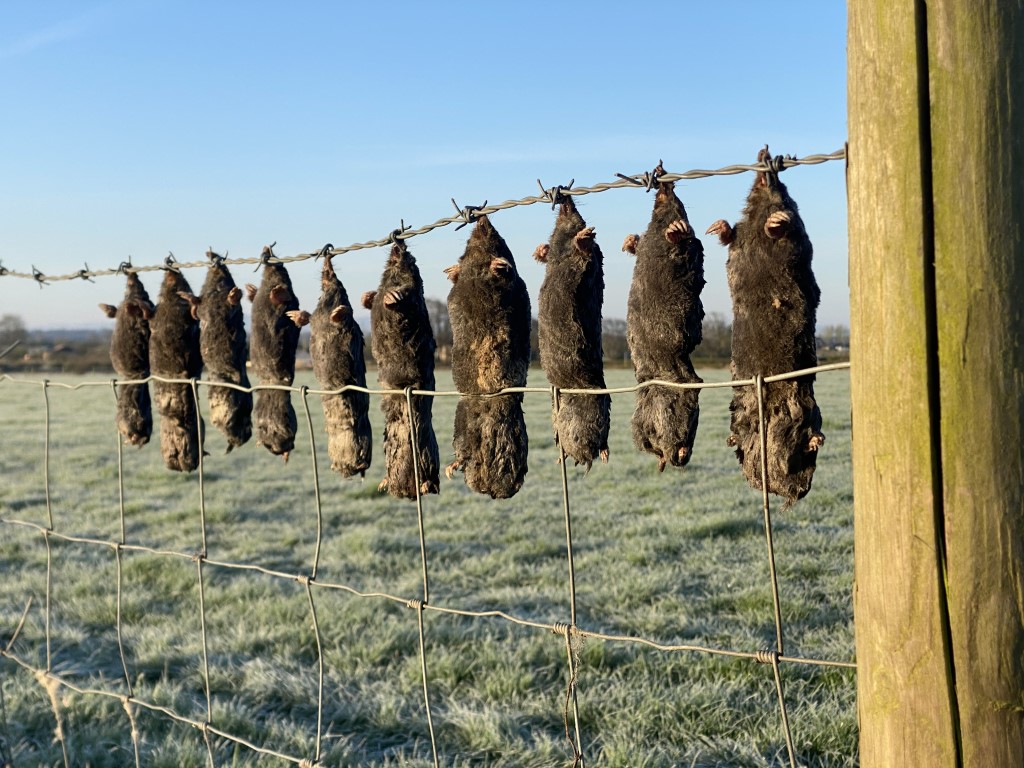
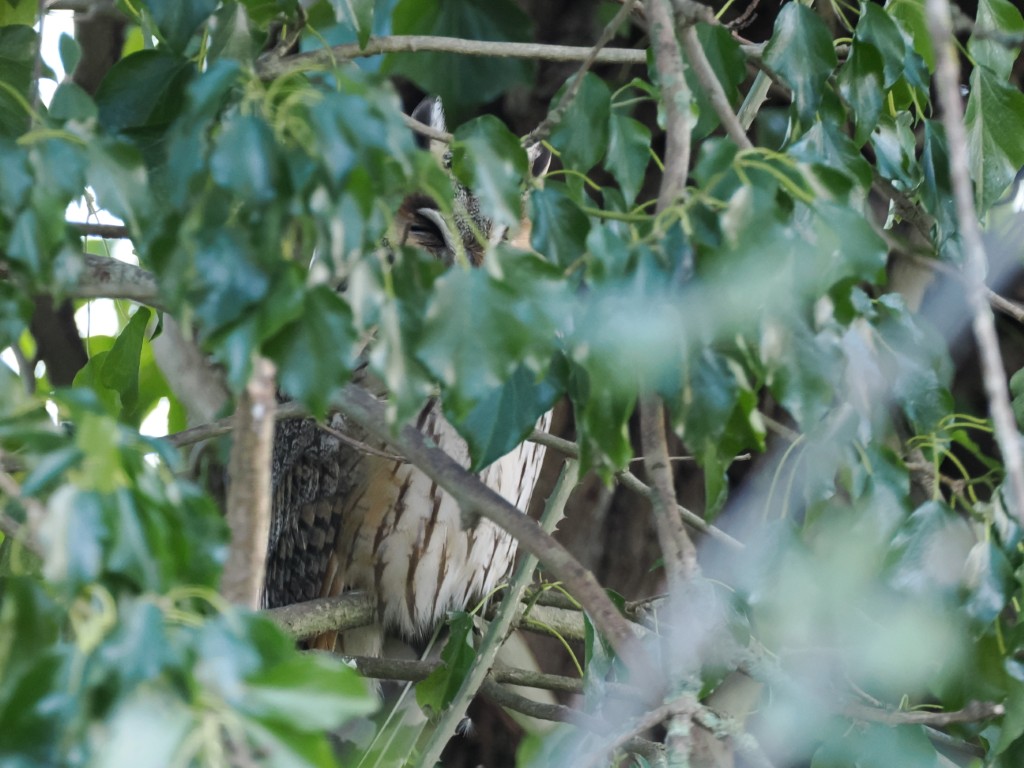
Photograph taken Cumbria in April 2025 (c) Andrew P. Chick
Land ownwers often kill moles because, despite their small size, moles can cause significant disruption to agricultural land. Their tunneling and molehills can damage the root systems of crops and pasture, interfere with grass cutting, and reduce the quality of silage by introducing soil and bacteria. In livestock fields, the uneven ground created by mole activity can lead to injuries in animals such as cattle and horses and can also damage farm machinery during mowing or harvesting. Additionally, mole activity is sometimes viewed as part of a broader pest control issue, where any wildlife that disrupts land use is seen as a problem. While some land owners continue to take lethal measures, others are beginning to explore non-lethal or more environmentally friendly options, especially in areas where mole activity has minimal impact.
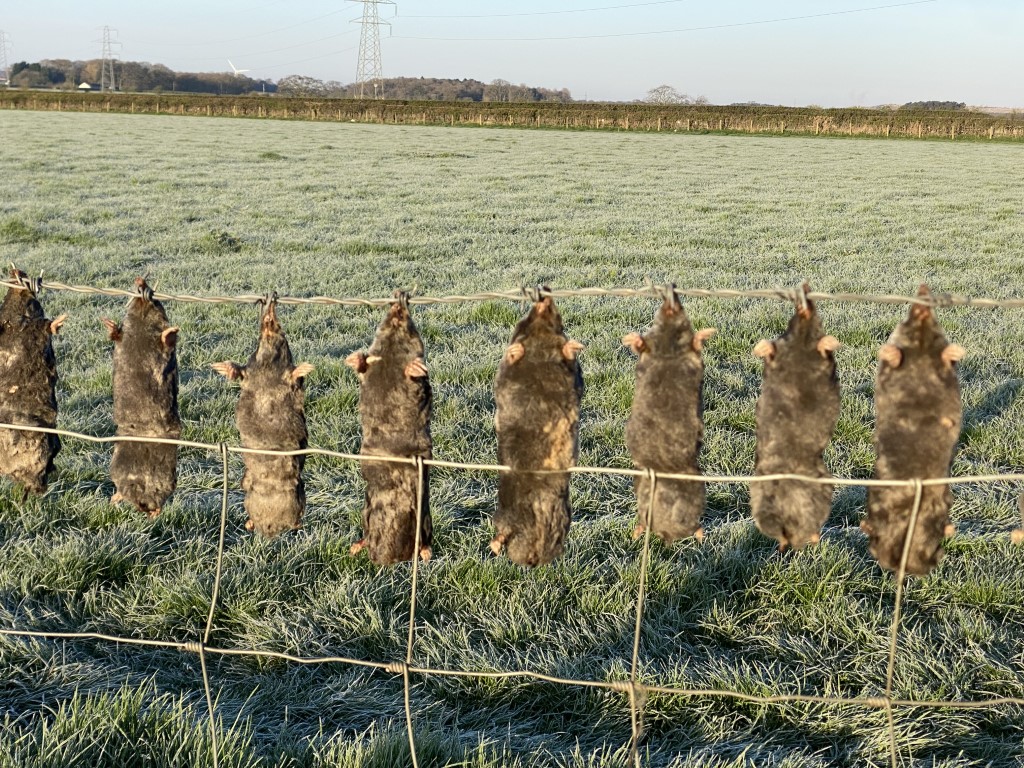
Photograph taken Cumbria in April 2025 (c) Andrew P. Chick
Moles actually play a valuable role in the ecosystem, even though they’re often seen as pests. Here are some positive environmental impacts of moles:
1. Soil Aeration
- Their tunneling naturally aerates the soil, improving drainage and allowing oxygen to reach plant roots.
- This also helps with the movement of nutrients and water through the soil profile.
2. Pest Control
- Moles eat insects and larvae, including many garden and crop pests like grubs, beetles, and weevils.
- This can reduce the need for chemical pesticides in some areas.
3. Soil Fertility
- Their digging activity mixes different soil layers, helping to distribute organic matter and nutrients more evenly.
- This process contributes to healthier, more fertile soil.
4. Food Source for Predators
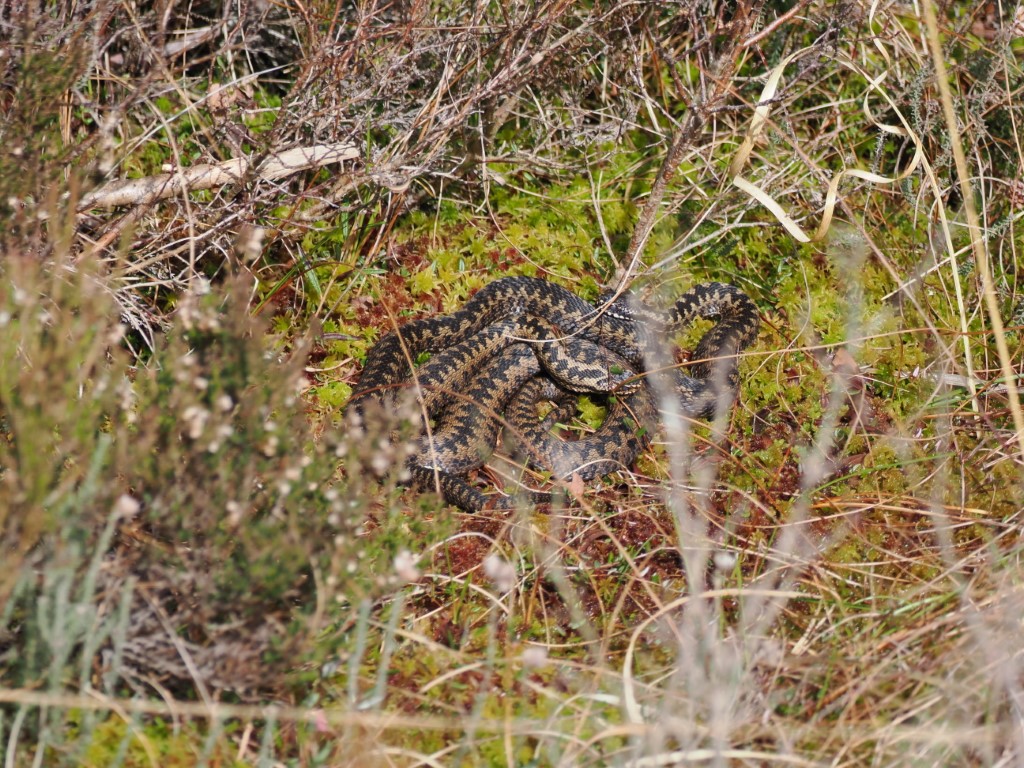
- Moles are prey for various predators such as owls, foxes, stoats, and snakes, supporting local food chains.
5. Habitat Creation
- Abandoned mole tunnels can be used by other small animals and insects for shelter or nesting.
6. Biodiversity Indicators
- A healthy mole population can be an indicator of good soil health and a functioning ecosystem, as they rely on rich, invertebrate-filled soils.
So, maybe it is time to stop killing moles!


 Andrew Chick Ecology
Leave a comment