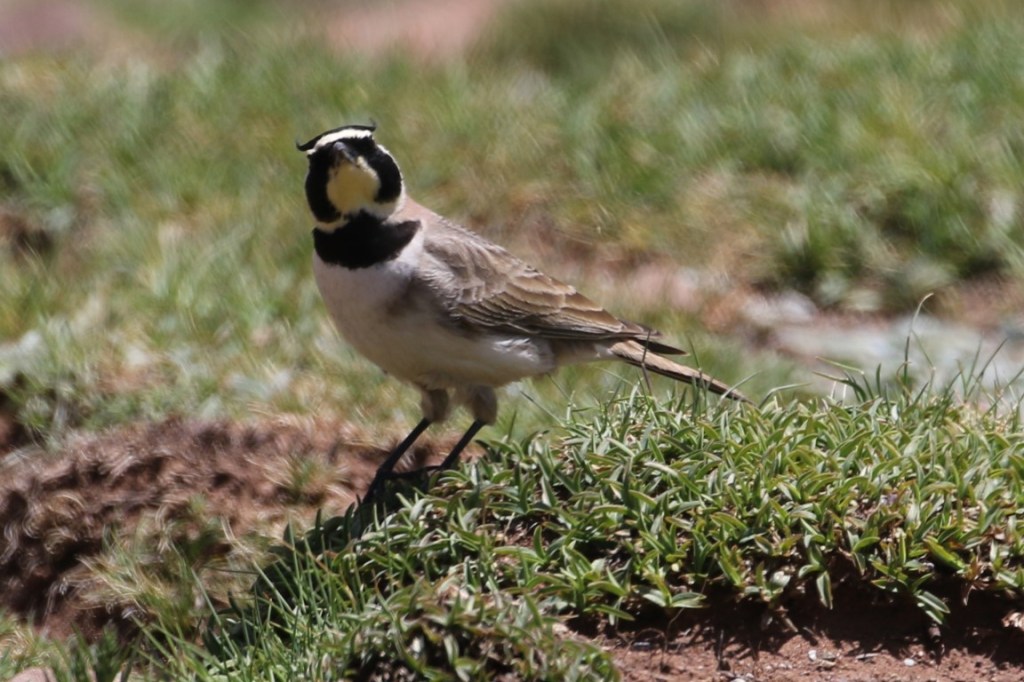
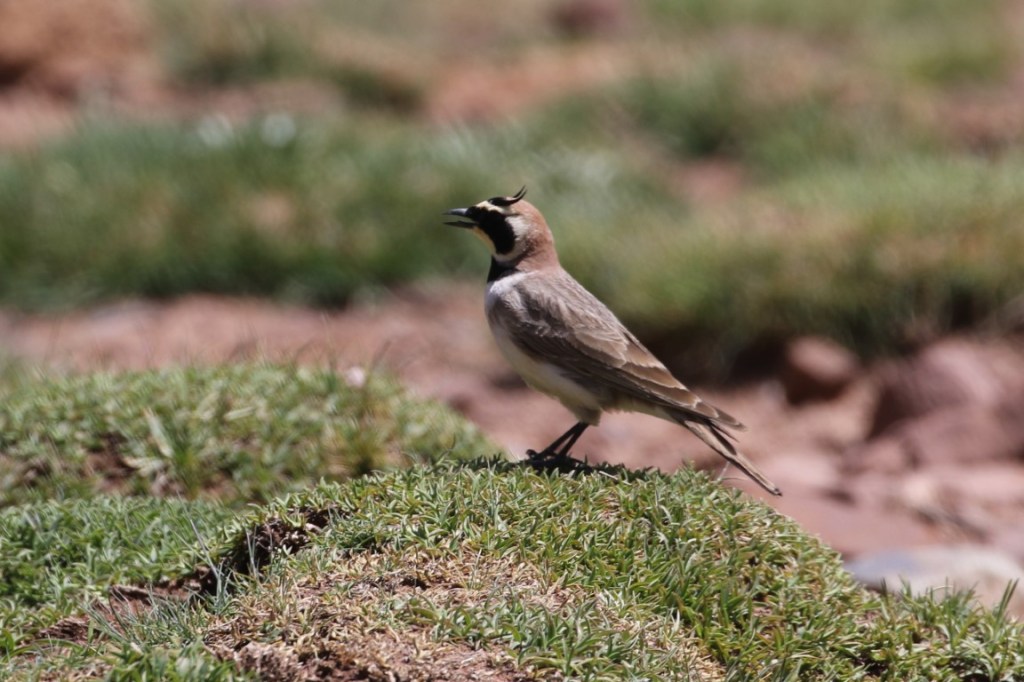
The Shore Lark, known in North America as the Horned Lark (Eremophila alpestris), includes a unique and geographically isolated population in Morocco. This population, designated as the subspecies Eremophila alpestris atlas, is confined to the high plateaux of the Atlas Mountains, particularly in central Morocco. These birds inhabit open, sparsely vegetated areas at elevations around 5,000 feet, favoring the arid and rocky environments characteristic of the region
Taxonomically, the Moroccan population has garnered attention due to its distinctiveness. A 2014 genetic study proposed splitting the Horned Lark into six separate species, one of which would be the Atlas Horned Lark, reflecting its unique genetic makeup and geographical isolation . This potential reclassification underscores the importance of the Moroccan population in understanding the species’ diversity and evolution.
Despite its limited range, the Atlas Horned Lark is not currently considered threatened. The global population of Horned Larks is extensive, with estimates exceeding 140 million individuals, and the species is classified as Least Concern by the IUCN . However, the specific population size of the Moroccan subspecies is not well-documented, and its restricted habitat makes it potentially vulnerable to environmental changes and human activities.
In summary, the Shore Lark’s presence in Morocco represents a distinct and isolated population with unique genetic characteristics. While not currently endangered, its confined habitat in the Atlas Mountains highlights the need for ongoing monitoring to ensure its continued survival.





 Andrew Chick Ecology
Leave a comment