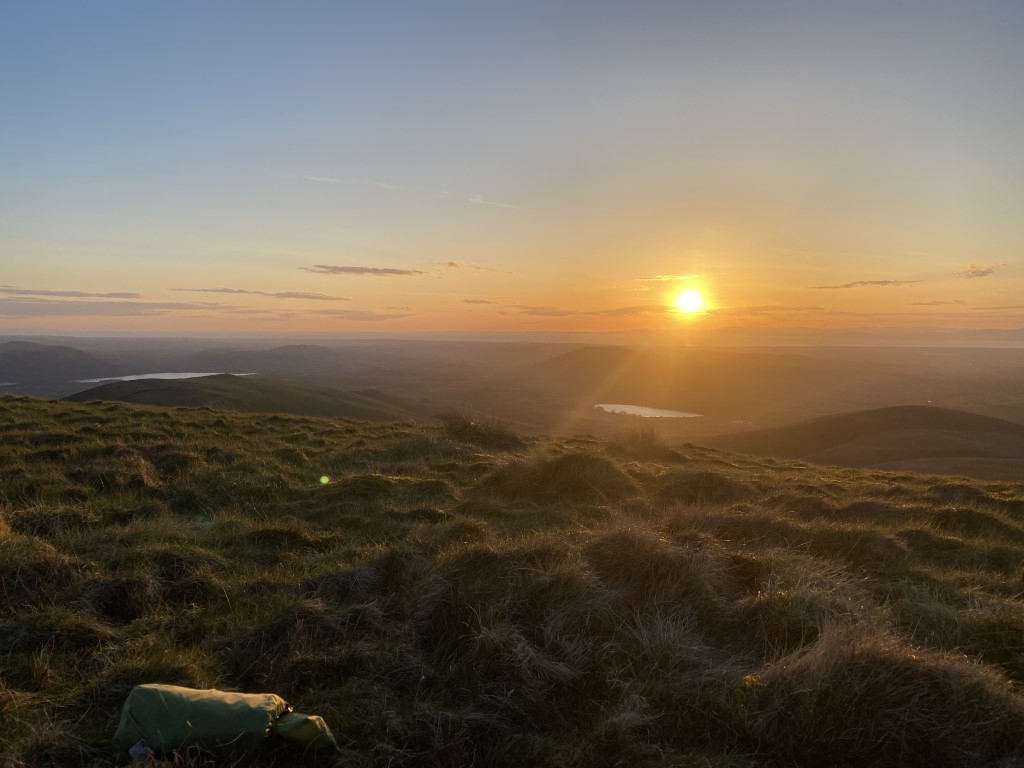
The Lake District’s World Heritage Site status might sound impressive, but it comes with no dedicated government funding. Farmers aren’t getting any financial support to keep up the traditional farming methods that were praised in the original application. In truth, providing that kind of support would cost a huge amount of money, and given how damaging some of these farming practices are to the environment, it’s unlikely any sensible government would agree to pay for it.
Tourism in the area has likely increased since the designation, but most of the extra money tourists bring in doesn’t end up with the farmers. In fact, I’ve been told that the National Trust, which owns a lot of land in the Lake District, has stopped some of its tenant farmers from joining new, well-funded environmental schemes. They’ve done this because they believe these schemes might harm the “special qualities” that the World Heritage Site is supposed to protect.
Keeping farming in the Lake District alive and allowing it to grow and adapt is likely to take a lot of time. But in practice, the focus has been on preserving traditional sheep farming just to maintain a certain look, an idea of beauty that’s completely subjective. Instead of helping farmers move towards more sustainable and modern ways of working, the designation is being used to freeze the landscape in time.
This approach isn’t helping anyone. It’s bad for farmers, who are struggling to make a living. It’s bad for the environment, which is suffering from overgrazing and lack of diversity. And it’s bad for the wider public, who are being sold a romanticised view of the countryside that ignores the real challenges facing rural communities today. If the Lake District is to remain a living, working landscape, then the focus needs to shift to supporting farmers and helping the land recover—not just preserving it for postcard views.
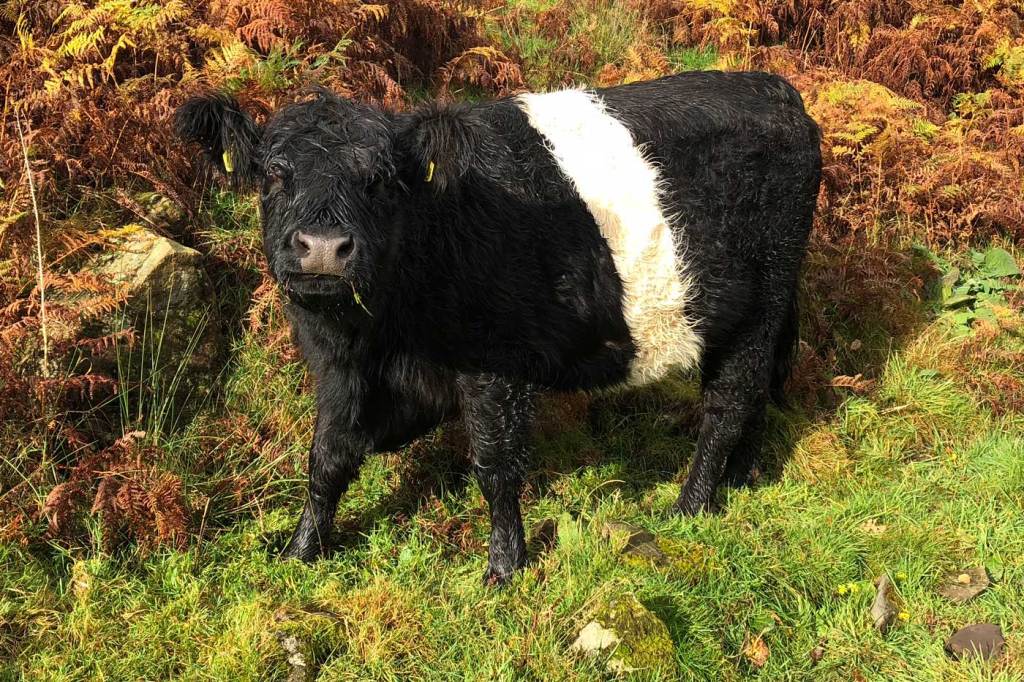
We need more cattle – like this belter!

 Andrew Chick Ecology
Leave a comment