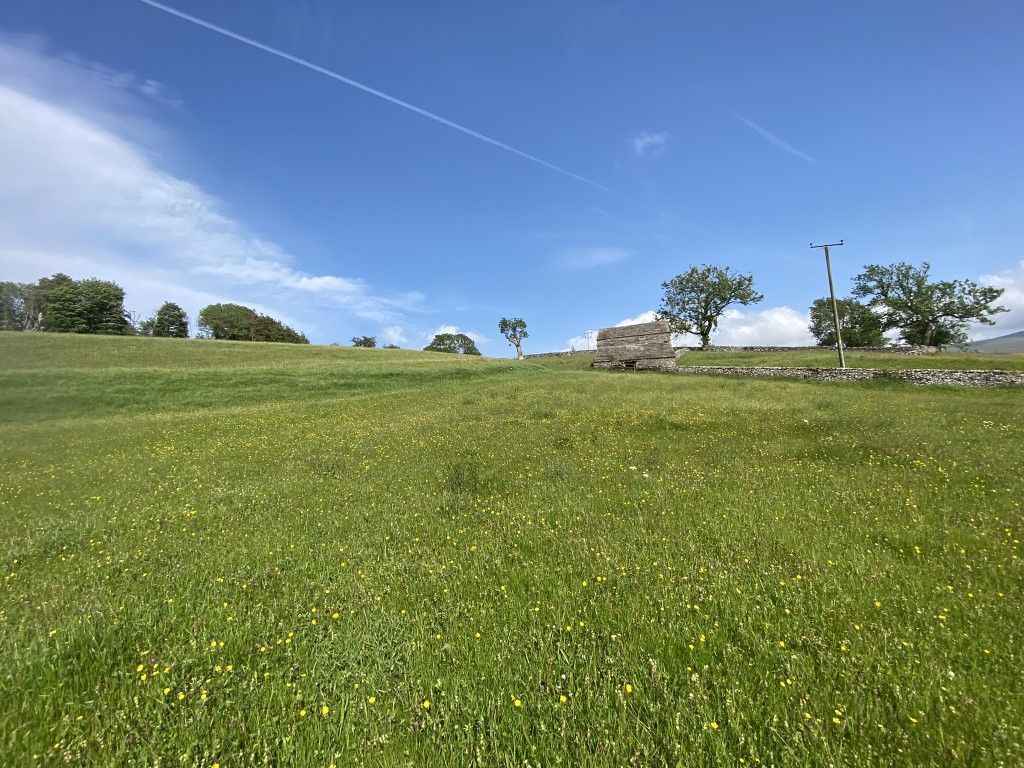
Bowber Head Farm, located in the Upper Eden Valley of Cumbria, has been designated as a nature reserve in recognition of its exceptional ecological value. It is one of the most important sites in England for species-rich upland hay meadows, a habitat that is now extremely rare both nationally and across Europe. The meadows at Bowber Head are classified as a Site of Special Scientific Interest (SSSI), reflecting their high conservation significance and the need for long-term protection.

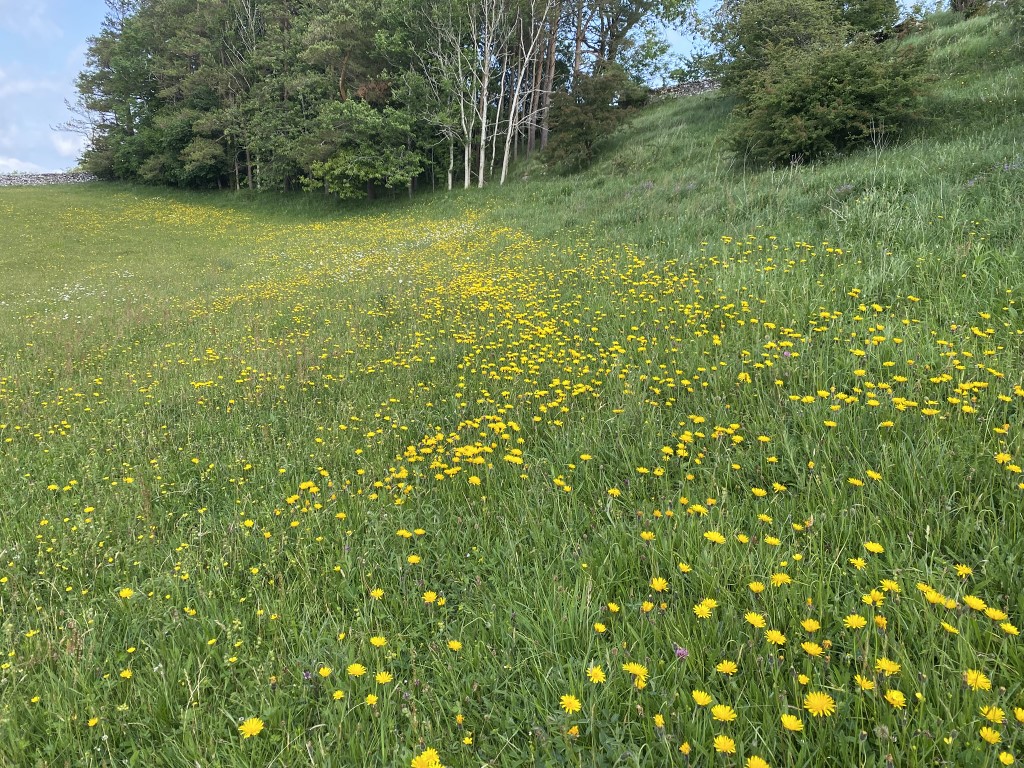
The hay meadows at Bowber Head are particularly notable for their floristic diversity. More than 200 plant species have been recorded on site, including several that are now uncommon in lowland agricultural landscapes. Species such as wood crane’s-bill (Geranium sylvaticum), melancholy thistle (Cirsium heterophyllum), great burnet (Sanguisorba officinalis), and several species of lady’s-mantle (Alchemilla spp.) are especially prominent and indicative of long-standing, low-intensity land management. The meadows represent an excellent example of the MG3 (Anthoxanthum odoratum–Geranium sylvaticum) National Vegetation Classification community, which is confined to upland areas in the north of England and southern Scotland.
Traditional management has played a key role in shaping the ecology of Bowber Head. The fields have been cut for hay and lightly grazed for centuries, and the layout of the land has remained largely unchanged for over 400 years. This continuity has allowed the persistence of the species-rich sward and associated invertebrate communities, including a wide range of pollinators such as bumblebees, butterflies, and hoverflies. The meadows also support ground-nesting birds and other upland wildlife.
In 2020, Bowber Head Farm was acquired by Cumbria Wildlife Trust, which now manages the land for nature conservation. Since then, the Trust has undertaken active habitat restoration, including meadow reseeding, traditional haymaking, and the re-meandering of watercourses to improve floodplain hydrology. These efforts are designed not only to preserve the biodiversity of the meadows but also to enhance their resilience to climate change and other environmental pressures.
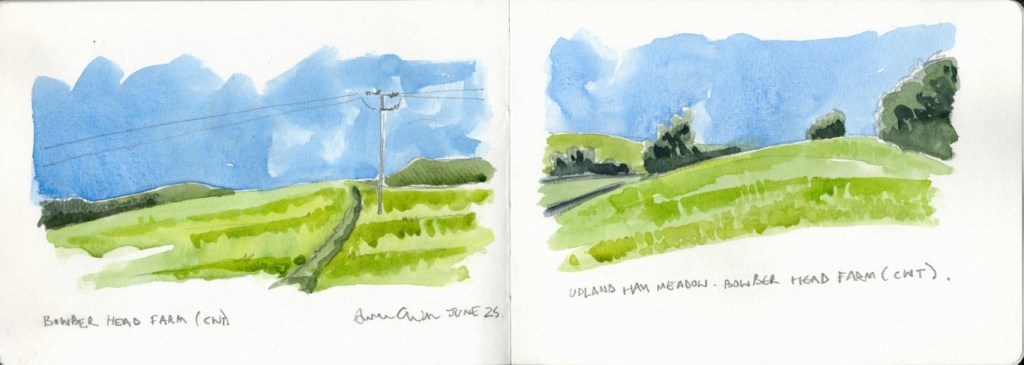
Bowber Head is also valued as a public engagement and education resource. During the summer months, the meadows are opened to visitors, allowing people to experience the diversity and beauty of a traditional hay meadow in full flower. The Trust offers guided walks, volunteer opportunities, and outreach activities designed to foster a wider appreciation of meadow ecosystems and the traditional practices that sustain them.
In summary, Bowber Head Farm is a nature reserve of outstanding botanical and ecological importance. Its designation recognises the value of its hay meadows as a refuge for rare and declining species and as a living example of traditional upland land use. The site now plays a central role in regional conservation strategy, combining habitat restoration, heritage farming, and community involvement to ensure that this exceptional landscape continues to thrive.


 Andrew Chick Ecology
Leave a comment