
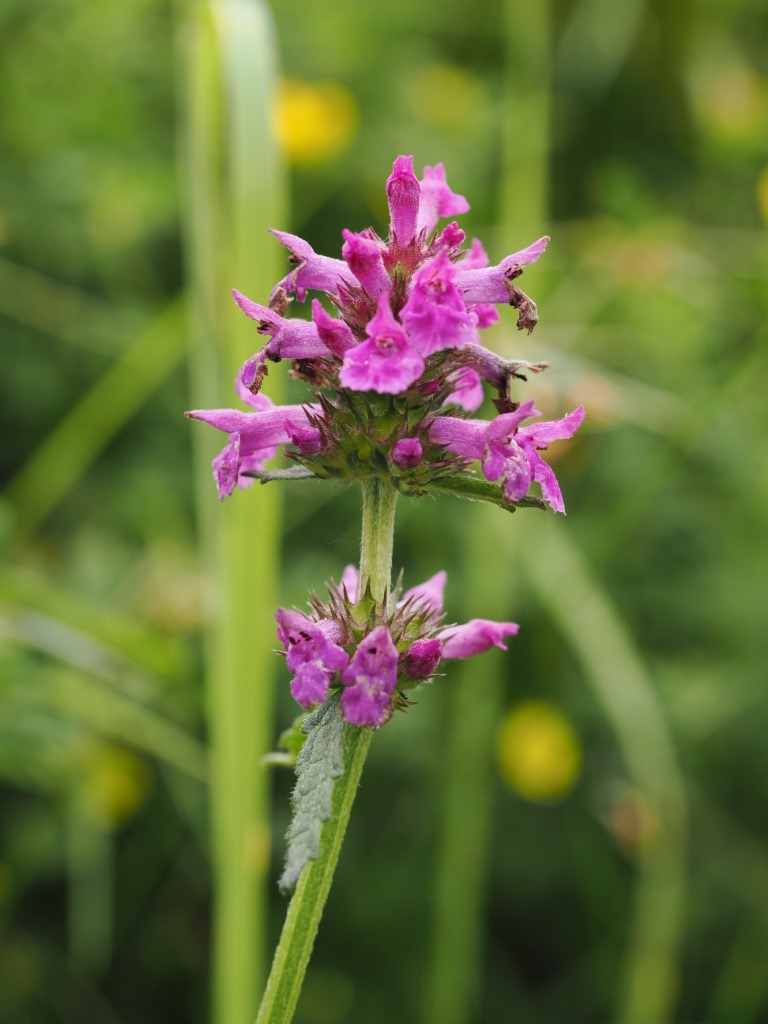
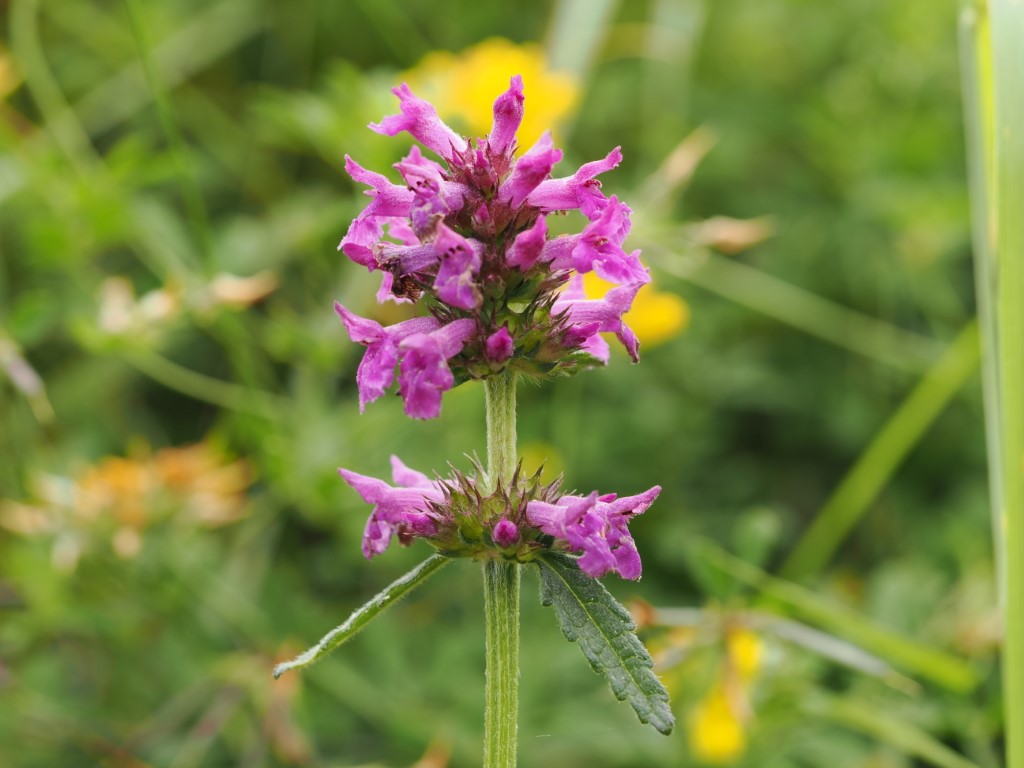
Betony Stachys officinalis, also known as wood betony or bishop’s wort, is a plant steeped in centuries of medicinal use, rural tradition, and botanical charm. Found across much of Europe, it is a familiar presence in open woodland, grassy clearings, and old meadows—thriving best on well-drained, often slightly acidic soils. With its dense spikes of purplish-red flowers that appear from late spring through summer, betony is not only attractive to pollinators but has also drawn the admiration of herbalists and country dwellers since ancient times.
A member of the mint family (Lamiaceae), betony is a perennial herb with ovate, softly hairy leaves and square stems. Its flowers, arranged in tight whorls, provide valuable nectar for bees and butterflies, and in the past, the plant was sometimes grown in cottage gardens not only for its medicinal qualities but also for its visual appeal. Despite its modest stature, usually reaching 30 to 60 cm in height, it once held a reputation far grander than its size might suggest.
Historically, betony was regarded as something of a cure-all. The Roman naturalist Pliny the Elder claimed it was effective against no fewer than forty-seven different ailments. In medieval herbals, it was praised for its virtues in treating everything from headaches and stomach troubles to anxiety, wounds, and even the effects of witchcraft. Nicholas Culpeper, the 17th-century English herbalist, described it as “a precious herb, well worth keeping in every house,” and attributed it with the power to strengthen the head and memory, purge melancholy, and ward off nightmares.
Beyond its physical uses, betony also carried deep symbolic meaning. In folklore, it was planted near homes and churches to protect against evil spirits and enchantments. A garland of betony worn around the neck or pinned to clothing was thought to guard the wearer from harm. In parts of Europe, dried betony leaves were stuffed into pillows to prevent dreams sent by malevolent forces, a belief that reflected the plant’s longstanding association with mental clarity and spiritual protection.
Its genus name, Stachys, comes from the Greek word for “ear of grain,” referencing the shape of its flower spikes, while the specific epithet officinalis designates its recognised use in medicine. Although no longer a mainstream remedy, betony is still used by modern herbalists in teas and tinctures, often for stress-related complaints, headaches, and digestive issues. Its mildly astringent and calming properties make it a gentle yet respected plant in the world of traditional medicine.
In recent years, there has been renewed interest in betony not only for its cultural and herbal legacy but also as a plant well-suited to naturalistic garden planting. It thrives in wildlife-friendly meadows and woodland margins, providing nectar to pollinators at a time when many wildflowers are in decline.
Betony stands as a reminder of the deep relationship between people and plants—a connection rooted in necessity, ritual, and reverence. Though no longer relied upon as in centuries past, it continues to grow quietly in field and woodland, its spikes nodding in the breeze, as if whispering stories of the lives it once touched.




 Andrew Chick Ecology
Leave a comment