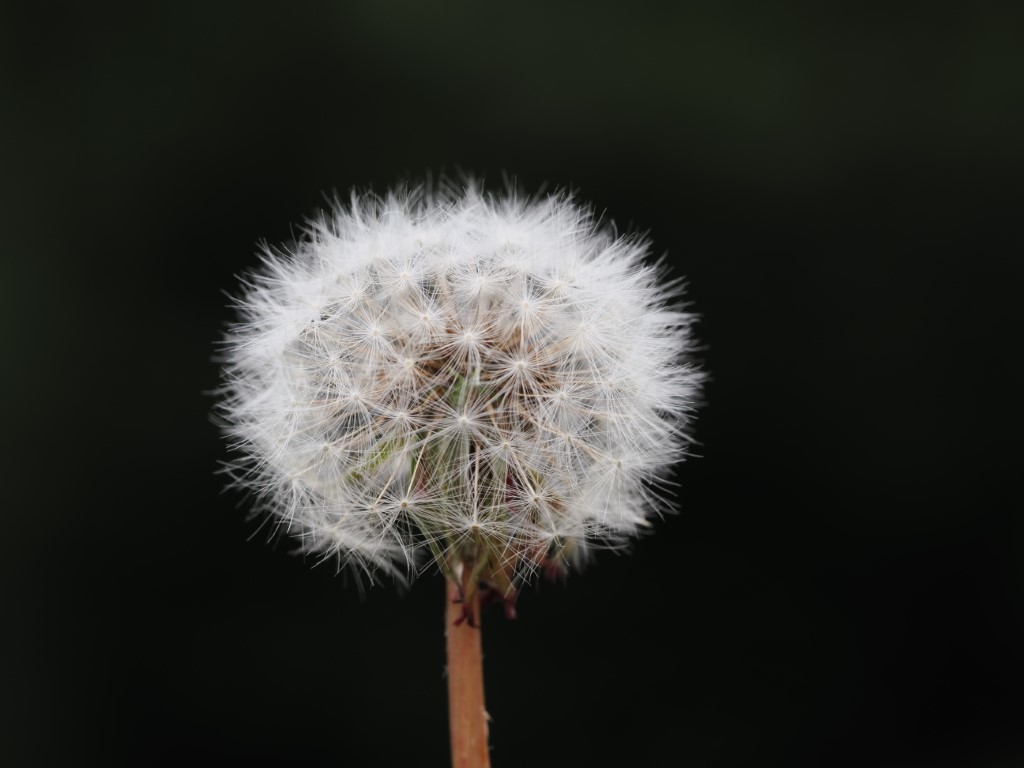
The dandelion (Taraxacum officinale), often regarded as a common weed, hides remarkable complexity and cultural richness within its fluffy seed heads. Known to many as “clocks” or “blowballs,” these familiar globes of white filaments have fascinated botanists, children, and storytellers for centuries. Behind their delicate appearance lies a masterclass in natural engineering, a deep-rooted place in folklore, and a story of resilience and dispersion carried on the wind.
Botanical Insight: The Structure of a Dandelion Seed Head
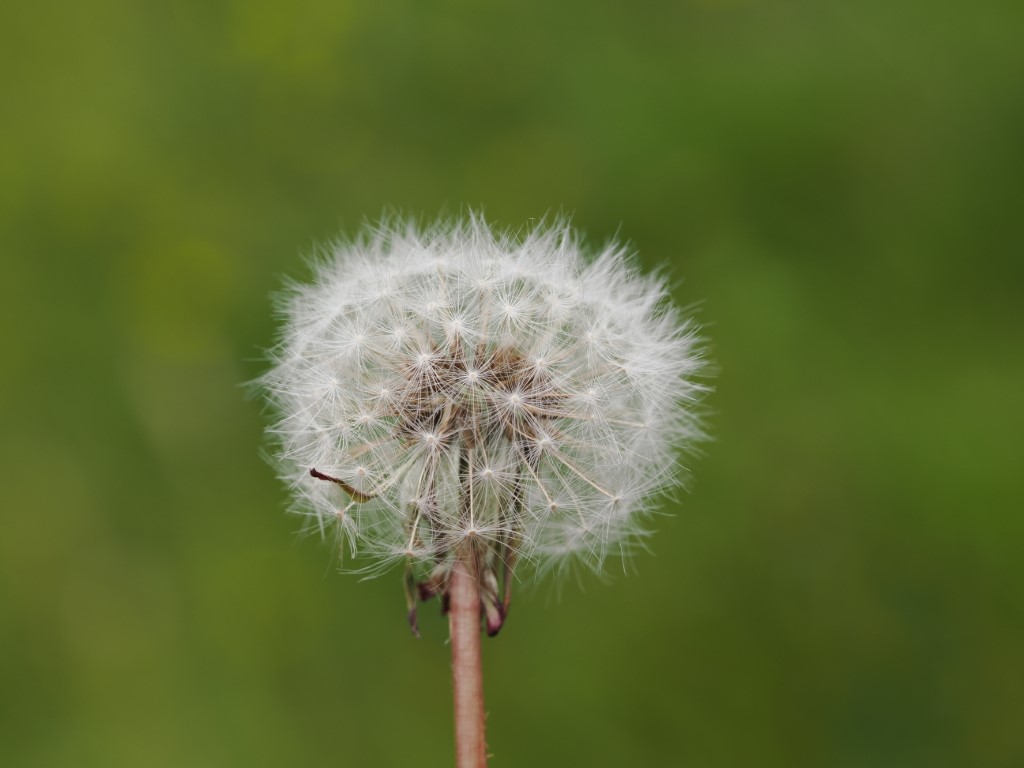
The dandelion belongs to the Asteraceae family and is composed of many tiny individual florets, each one capable of developing into a single seed. After flowering, the yellow composite flower closes and transforms—over the course of a few days—into a spherical seed head, known scientifically as a pappus. This globe is made up of dozens (sometimes hundreds) of tiny, parachute-like structures, each connected to an achene (a dry, single-seeded fruit).
The pappus acts as a flight mechanism. Each filament is a fine, hair-like bristle, collectively forming a disk that maximises surface area while minimising weight—ideal for catching the wind. What appears simple is, in fact, a product of aerodynamic precision: recent research using high-speed imaging and fluid dynamics modelling has shown that each seed generates a separated vortex ring as it flies, allowing it to remain airborne far longer than would otherwise be expected.
Wind Dispersal: Nature’s Aeronautical Design
Dandelions are one of nature’s most successful wind dispersers. The seeds, weighing just 0.006 grams on average, can travel upwards of 100 kilometres under the right conditions, although most fall within a few metres of the parent plant. The dispersal depends heavily on weather—dry, breezy days are ideal, as moisture causes the pappus to close and prevents flight.
Each seed has a chance to colonise new ground, often thriving in disturbed soils and marginal habitats where other plants may fail. This efficient spread is part of what makes dandelions such persistent colonisers in gardens, fields, and pavements alike.
Folklore and Symbolism: Wishes, Weather, and Time
Dandelions have long held symbolic and folkloric meaning across cultures. In many parts of Europe, children were told that the number of breaths needed to blow all the seeds from the head revealed the time of day—hence the name “dandelion clock.” Others believed the direction in which the seeds blew predicted where love would be found, or whether one’s wishes would come true.
In herbal lore, dandelions symbolise resilience, transformation, and spiritual growth. Their ability to regrow from even a fragment of root has made them a symbol of survival and tenacity. In Victorian flower language, they represented faithfulness and hope.
In some traditions, the act of blowing on a dandelion seed head was used as a divination practice: a way to ask the wind for answers or carry messages to departed loved ones.



 Andrew Chick Ecology
Leave a comment