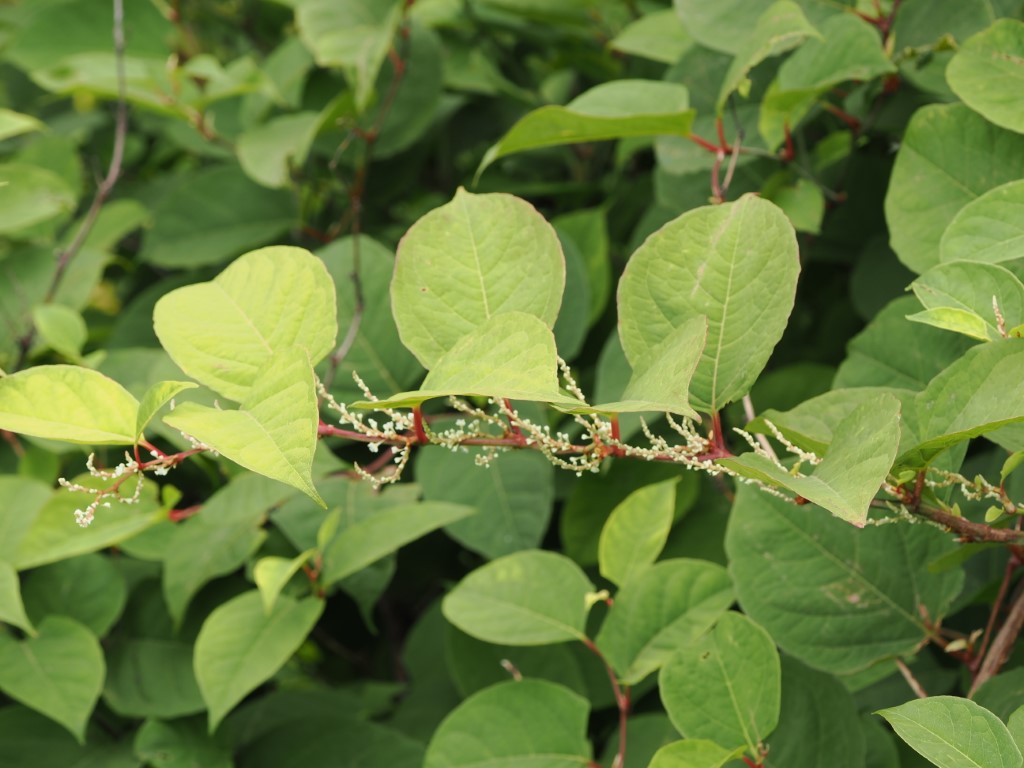
The Japanese knotweed at Rydal Water, in the heart of the Lake District, is rapidly spreading out of control. It’s now growing extensively along the boundary with the busy A591, clearly undermining the retaining wall, with dozens of dense clumps left unmanaged. The infestation is already serious, and the cost of removal will be significant—but any further delay will only make the problem worse and more expensive to fix.
Rydal Water is a breathtaking spot, drawing hundreds of visitors each day. Without urgent action, this iconic landscape risks being overwhelmed by a knotweed jungle.
During a survey in July 2025 I counted between 30 and 40 plants, with it spreading quickly…
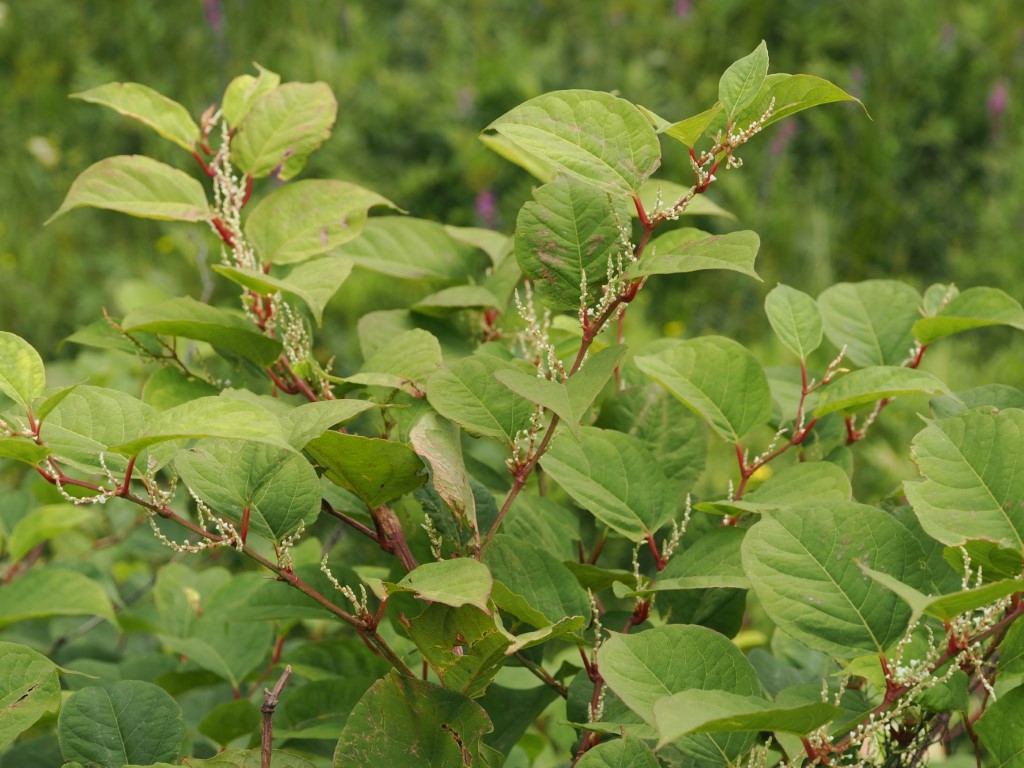
Japanese knotweed (Reynoutria japonica, formerly Fallopia japonica) is a fast-growing, invasive perennial plant native to East Asia, particularly Japan, China, and Korea. Introduced to the UK and other parts of Europe in the 19th century as an ornamental plant, it has since become notorious for its aggressive spread and damage to infrastructure.
Key Features:
- Growth: It can grow up to 2–3 metres tall in a single season.
- Stems: Hollow, bamboo-like stems with distinct nodes.
- Leaves: Shield- or heart-shaped with a pointed tip, arranged in a zig-zag pattern on the stem.
- Flowers: Small, creamy-white, and borne in clusters during late summer and early autumn.
- Roots/Rhizomes: Extensive underground rhizome system that can spread many metres from the parent plant.
Problems:
- Damage to property: The rhizomes can exploit weaknesses in concrete, tarmac, and brickwork, causing significant structural damage.
- Ecological impact: Outcompetes native plants by forming dense thickets.
- Legal status (UK): It is not illegal to have Japanese knotweed on your land, but you must not allow it to spread into the wild under the Wildlife and Countryside Act 1981. Disposal must follow strict waste regulations.
But, it’s not just knotweed thats the problem, just look at the bins in White Moss carpark… too many people, too much rubbish to much pressure on the natural world!


 Andrew Chick Ecology
Leave a comment