
Gypsywort is a moisture-loving perennial plant of the mint family (Lamiaceae), often found in wetlands, ditches, and along slow-moving rivers and lakes. It is easily recognised by its square stems, toothed leaves, and whorls of small white flowers speckled with purple that appear in late summer. The plant can reach up to a metre in height, its dark green leaves giving off a faint scent when crushed.
Habitat
True to its preference for damp conditions, Gypsywort thrives in fens, marshes, and the margins of still or sluggish waters. It often forms part of wet meadow and fen communities, where it grows among sedges, rushes, and other water-loving herbs. The plant is well adapted to seasonal flooding, anchoring itself in saturated soils that would challenge many other species.
Distribution in the UK
Gypsywort is widespread across much of Britain, though it is most commonly encountered in lowland areas with suitable wetland habitats. It is less frequent in upland regions, where drainage and altitude restrict its range. Nonetheless, scattered populations can be found in many parts of the country wherever wet soils persist along rivers, tarns, and marshy field edges.
In Cumbria, Gypsywort is scattered but not infrequent in the central and southern Lake District. Here it occurs in tall-herb fen communities by tarns and rivers, as well as in marshy fields and neglected ditches. Its presence in these damp, undisturbed corners contributes to the diversity and structure of Cumbrian wetlands, where it often grows alongside meadowsweet, purple loosestrife, and marsh marigold.
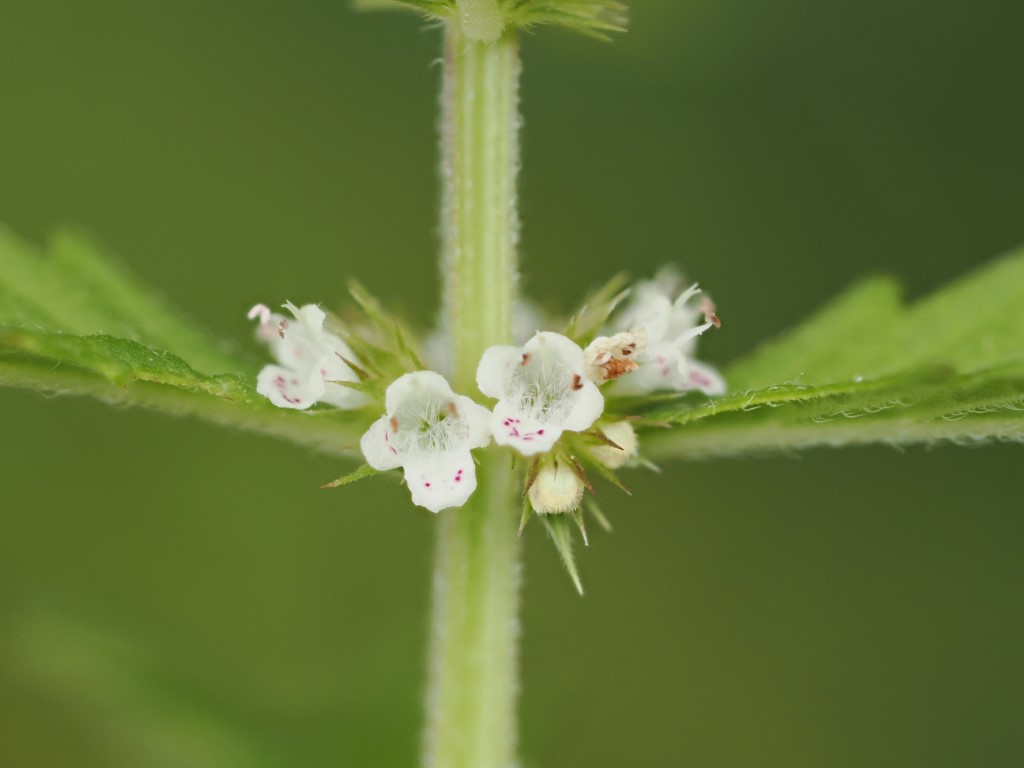
Folklore and Uses
Gypsywort’s common name hints at its long association with folklore. Historically, it was reputedly used by travelling Romani people as a dye to darken the skin, helping them to avoid persecution by passing as “Egyptians”, a name that gave rise to the term “Gypsies.” The plant’s sap produces a dark stain, which may explain these tales, though there is little direct evidence of widespread use.
Herbal traditions also gave Gypsywort a reputation as a calming remedy for anxiety and palpitations, and it was once used in tinctures for thyroid conditions, though such uses are no longer recommended in modern medicine. Its damp, shaded haunts and deep green leaves also contributed to its mystical associations, often being linked with concealment, disguise, and transformation.
A Plant of Hidden Places
Gypsywort may lack the showiness of some wetland flowers, but its quiet presence in still waters and marshy ditches is part of the richness of Britain’s damp landscapes. From the fenlands of East Anglia to the tarn edges of Cumbria, it is a reliable companion of wet ground—an unassuming plant, yet one that carries centuries of story and symbolism within its dark green leaves.



 Andrew Chick Ecology
Leave a comment