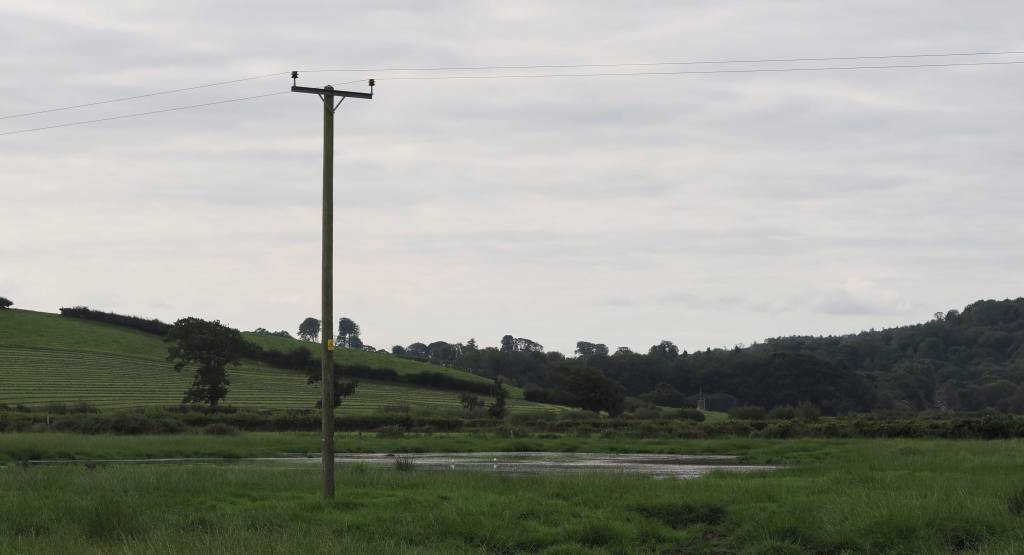
Heversham is a village and civil parish in the South Lakeland district of Cumbria, set within the wider Lake District landscape and lying close to the Kent estuary. The village is well known for its sweeping views from Heversham Head, the historic St. Peter’s Church, and its convenient location near Kendal and the main transport links of the A6 and M6 motorways.
Among its natural features is Heversham Moss, a historic peatland formed after the Ice Age through the slow deposition of decaying vegetation. The word “moss” traditionally refers to these deep peat bogs, which once provided a vital fuel source for local communities. Peat cutting was carried out here for centuries before declining in the mid-20th century.
In August 2025, parts of Heversham Moss became flooded, and the standing water soon drew in numbers of wildfowl and waders. Among them were two Wood Sandpipers—an exciting record for the area. This medium-sized wader is recognised by its fine straight bill, yellowish legs, and a bold white eye-stripe extending to the back of the neck. In flight it shows a square white rump but lacks the wing-stripes that many other waders display.
The Wood Sandpiper breeds across northern Europe, with small numbers nesting in the Scottish Highlands, and spends the winter in Africa. It is a passage migrant in Britain, usually seen in spring and autumn as it stops at shallow wetlands to rest and feed during its long journey south. The birds that appear first are often adults that failed to breed, followed later by successful adults and finally by juveniles making their maiden migration. The recent restoration and re-wetting of traditional marshes in Scotland may improve breeding opportunities for the species in future.
Wood Sandpipers are protected under Schedule 1 of the Wildlife and Countryside Act, highlighting their conservation importance. The sighting of two at Heversham Moss was a reminder of how seasonal changes and restored wetlands can briefly transform the local landscape into a vital stopover for migrating birds.
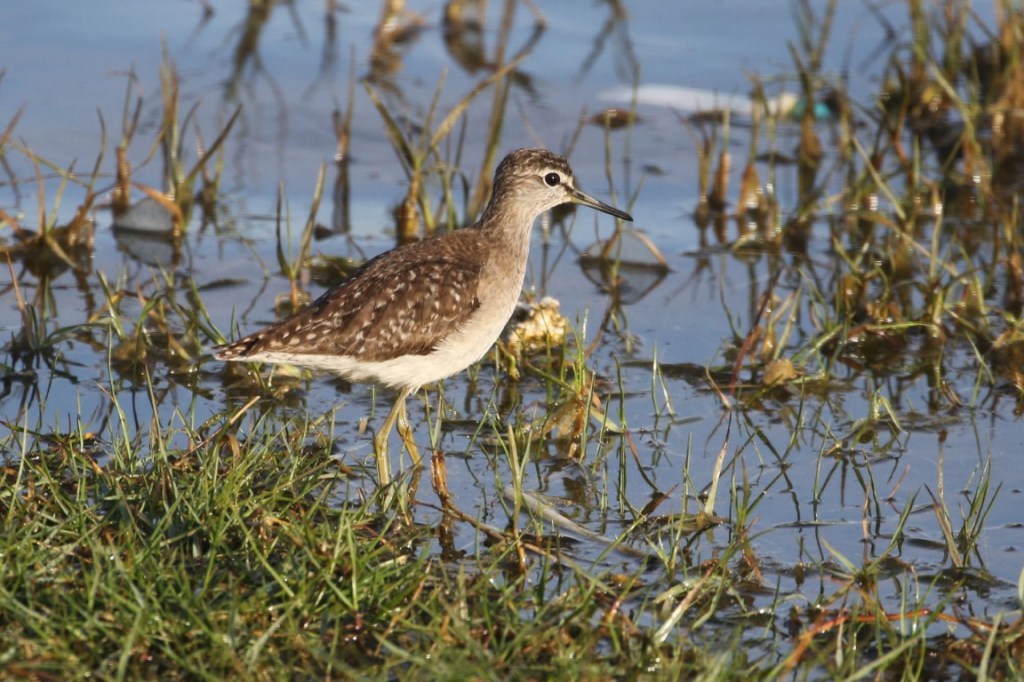
Wood Sandpiper (c) Andrew P. Chick

 Andrew Chick Ecology
Leave a comment