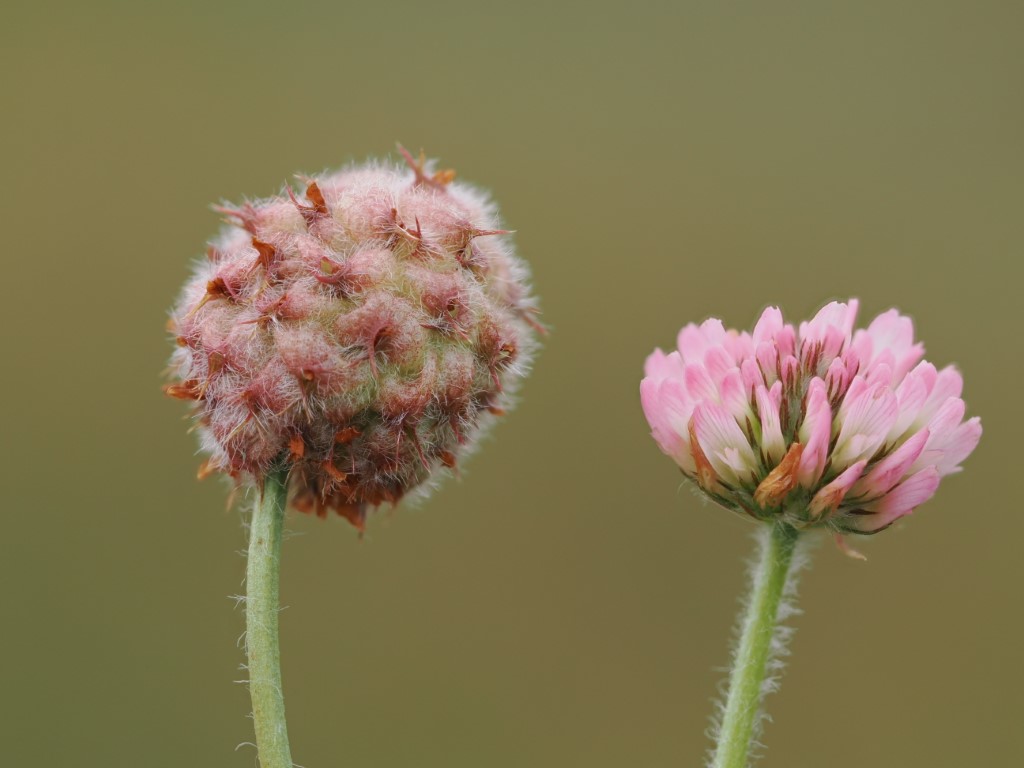
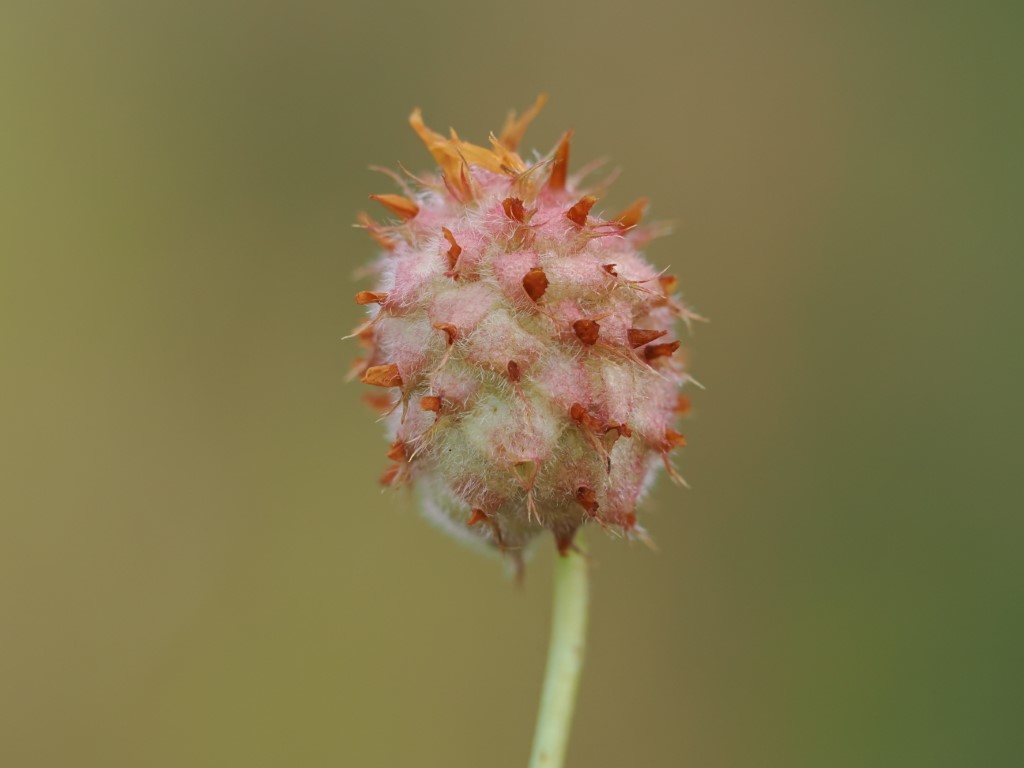
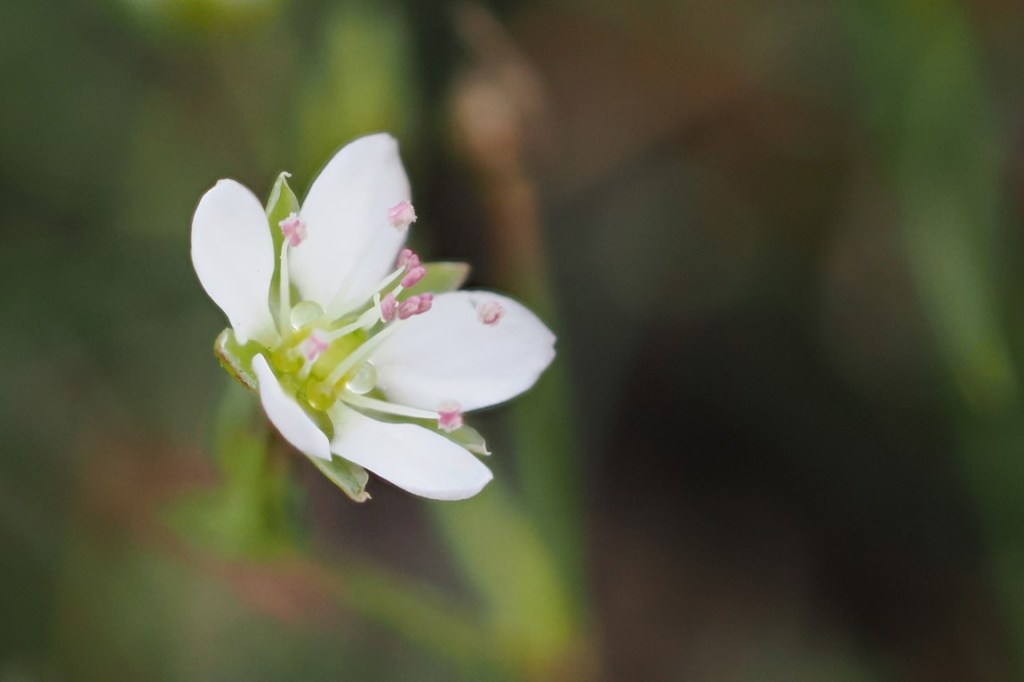
Strawberry Clover is a procumbent perennial herb belonging to the pea family. It spreads across the ground, rooting at its nodes, which allows it to form creeping mats in damp grasslands and coastal pastures. At first glance its flowers can resemble a pink-tinged form of White Clover, but the plant is most distinctive in fruit. After flowering, the sepals (the calyx) inflate around the fruit, creating a pale pink, bladder-like structure that is often larger than the flower itself. These fruiting bodies give the appearance of miniature strawberries, hence the plant’s evocative common name.
In Britain, Strawberry Clover is mainly a plant of coastal grasslands, grazing marshes, and damp pastures. Its national distribution has suffered a gradual decline, largely as a result of agricultural improvement of old pastures, conversion to arable land, and changes in grazing regimes. Both neglect and undergrazing can be damaging, as the plant often thrives best under traditional, low-intensity grazing. Many of its losses are local and can be overlooked when considering broader 10 km square distribution data, but they remain significant at a county scale.
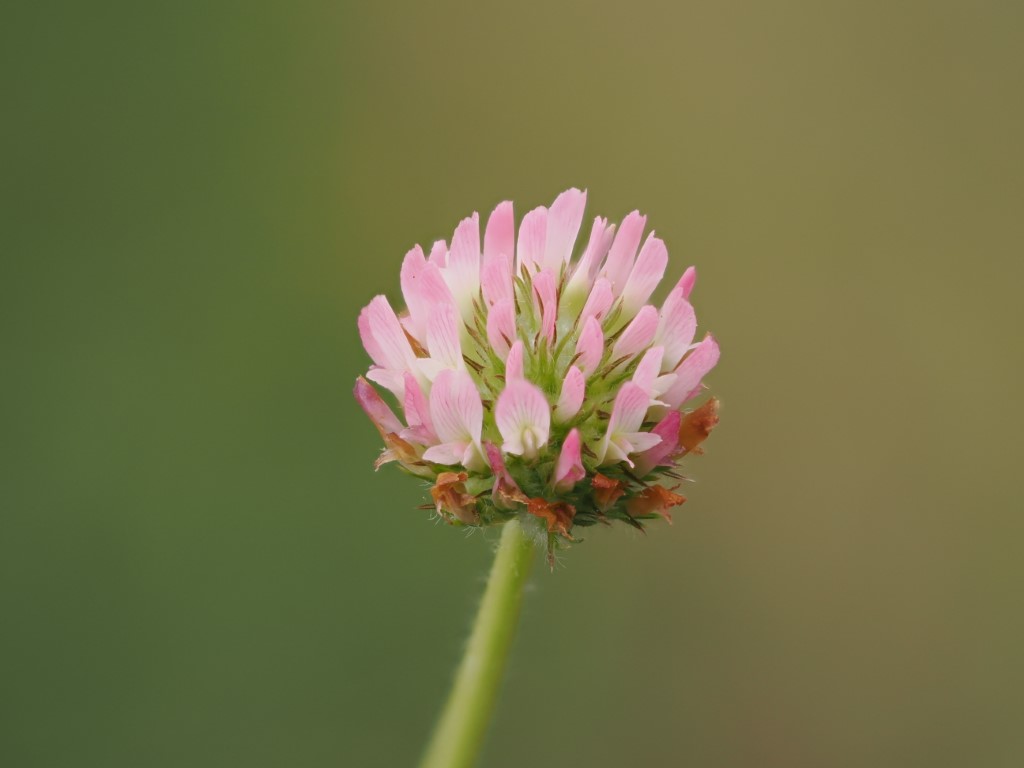
Despite this decline, Strawberry Clover is still relatively frequent in coastal areas where suitable habitat survives, particularly where traditional grazing marshes and damp meadows have been spared drainage or ploughing. In Cumbria, the species is close to its northern limit in western Britain. It has long been known from Walney Island and the Furness Peninsula, and since 2000 has also been recorded at new sites around Flookburgh. However, the overall national decline is mirrored here, with only four records since 2020. The inland population at Caldbeck appears to have been lost, with no sightings since 2009–2015. This leaves the coastal populations of Cumbria as fragile outposts of the species, with only a few further northern records in Britain from Coll and South Uist in the Hebrides.
See https://www.cumbriabotany.co.uk/the-flora-of-cumbria-recording-group/flora-distribution-maps/#Trifolium_fragiferum for the latest Cumbria distribution map.
Folklore and Uses
While Strawberry Clover has never gained the widespread symbolic resonance of White Clover (with its associations with luck and the four-leaf form), it has nevertheless been used as a fodder plant, particularly in drier countries. Its ability to tolerate saline soils makes it valuable for grazing on saltmarshes, and it has been cultivated in some parts of the world for this purpose. Like other clovers, it is a nitrogen-fixer, improving soil fertility. In traditional herbalism, clovers have been used for teas and poultices, though Strawberry Clover itself was less frequently cited than Red or White Clover. Its curious, strawberry-like seed heads may also have contributed to local lore, as plants with fruit- or berry-like features often attracted notice, but there are few specific folk traditions recorded for this species in the UK.
Today, Strawberry Clover is as much appreciated by botanists for its rarity and distinctive appearance as for its ecological role in coastal pastures. Its continued survival in Cumbria and elsewhere depends on careful grazing management and the preservation of traditional coastal grassland habitats.


 Andrew Chick Ecology
Leave a comment