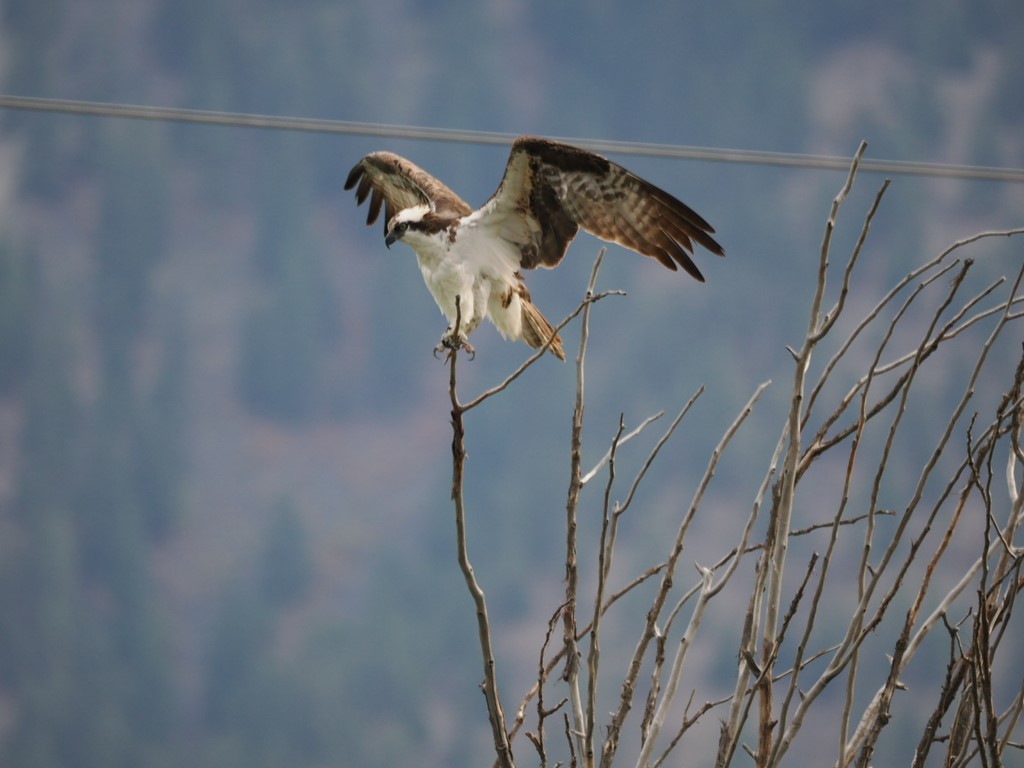
Not so long ago, the sight of an Osprey circling over a Cumbrian lake or Lancashire estuary would have been enough to draw a crowd of excited birdwatchers. Today, while still special, such moments are no longer quite the rarity they once were. Across northwest England, this magnificent fish-eating raptor has quietly re-established itself as a breeding species, part of a slow but steady southward expansion driven by the remarkable recovery of Scotland’s Osprey population.
The story of the Osprey’s return is one of patience, protection, and natural recolonisation. Once widespread across the British Isles, Ospreys were driven to extinction as a breeding bird in the 19th century, largely through persecution and egg collecting. It wasn’t until the 1950s that they returned to Scotland, when a pair began nesting at Loch Garten in Strathspey — an event that marked the beginning of one of Britain’s greatest conservation success stories. Over the following decades, careful protection and the establishment of nesting platforms allowed numbers to rise steadily. From just one or two pairs, Scotland’s population has now grown to well over 300 breeding pairs, with birds spreading gradually southward along river systems, lochs, and coastal wetlands.
It is from this Scottish stronghold that the northwestern population has its roots. As young Ospreys mature and return from their wintering grounds in West Africa, many seek out new territories rather than competing for established nests. This natural dispersal has carried individuals down through the Scottish Borders, into Northumberland, and eventually into Cumbria and beyond. The availability of suitable habitat in northwest England — rich in fish, surrounded by wooded valleys, and dotted with large lakes and reservoirs — has provided the perfect foundation for colonisation.
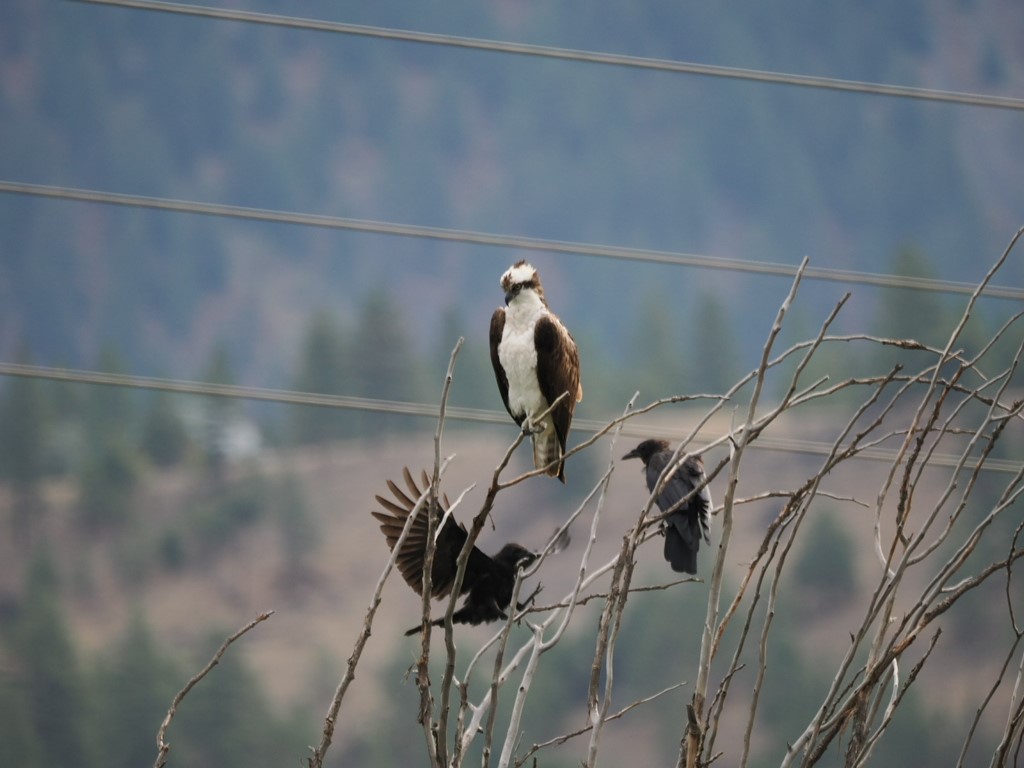
Cumbria’s first modern breeding Ospreys were recorded in the early 2000s, and their success has inspired similar developments across the region. Sites around Bassenthwaite Lake and Foulshaw Moss became particularly important, both offering the right combination of open water for feeding and tall trees for nesting. Carefully managed by conservation organisations such as the RSPB and Cumbria Wildlife Trust, these locations provided secure nesting platforms and protection from disturbance. Once established, the birds thrived, raising chicks year after year and drawing visitors from across the country.
From these early pairs, the population has continued to expand. Ospreys have shown remarkable loyalty to successful nesting areas, often returning to the same sites annually, while their offspring have ventured further afield. New nests have appeared in Lancashire, Cheshire, and North Wales, reflecting both the species’ adaptability and the growing strength of the northern population. Each new breeding attempt represents not just another pair of birds, but another link in a chain of recovery stretching all the way back to Scotland’s rewilded lochs and rivers.
Several factors have helped this expansion. The Scottish population’s success has created a surplus of young birds looking for territories. Meanwhile, improved water quality and fish stocks across much of the northwest have provided abundant feeding opportunities. The network of protected sites and nature reserves has ensured that Ospreys find safe, undisturbed nesting areas, while greater public awareness and a shift in attitudes toward birds of prey have dramatically reduced persecution. The birds’ growing acceptance among anglers and local communities — once potential sources of conflict — has been another crucial step in ensuring their future stability.
The annual return of Ospreys each spring has now become a celebrated event in many parts of the northwest. Pairs arrive in late March or April, engage in spectacular aerial displays, and settle quickly to raise their young. By midsummer, the sight of a parent bird carrying a fish over a lake has become a familiar part of the landscape — a testament to how far this species has come. As autumn approaches, adults and fledged juveniles embark on their long migration back to Africa, continuing the ancient cycle that links northern Europe with the wetlands of Senegal and The Gambia.
The recovery of the Osprey in northwest England is a living symbol of hope. It shows how a species once lost can return naturally when given the chance and how conservation success in one part of the country can ripple outward to transform another. From the lochs of the Highlands to the meres and estuaries of Cumbria, the story of the Osprey reminds us that restoration takes time but yields extraordinary rewards. What was once a rare and precious visitor has become a fixture of the summer skies once more — a flash of white and brown against the blue, carrying both a fish and a message: when nature is protected, it finds its way home.
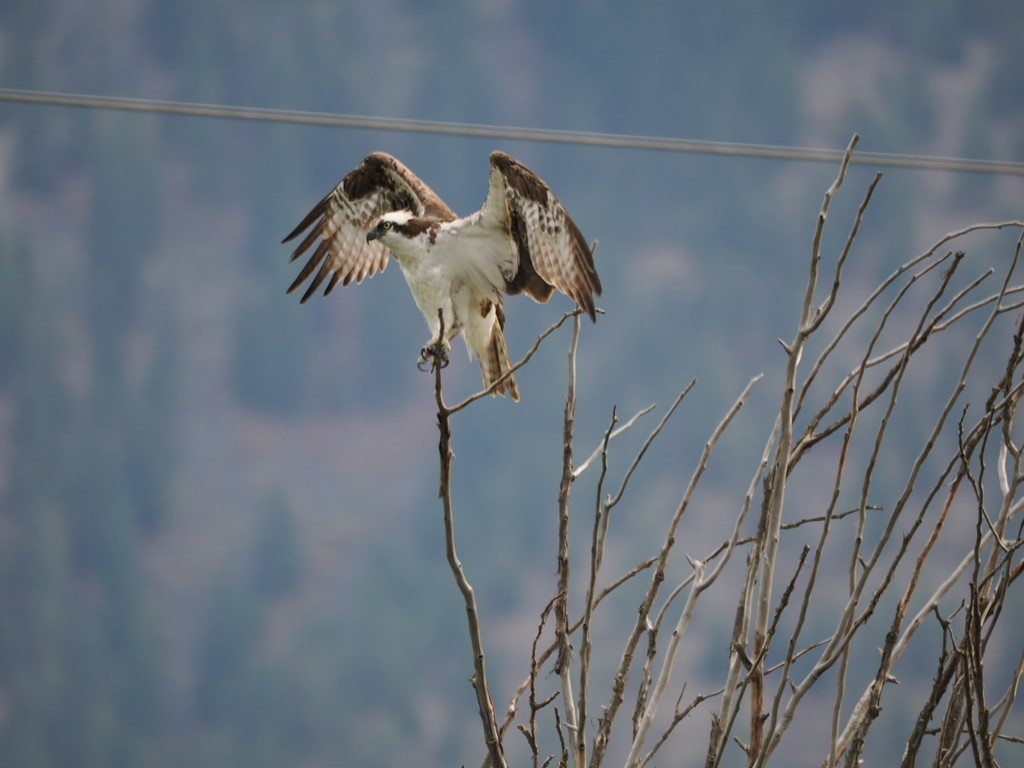
All photo by Andrew P. Chick September 2025

 Andrew Chick Ecology
Leave a comment