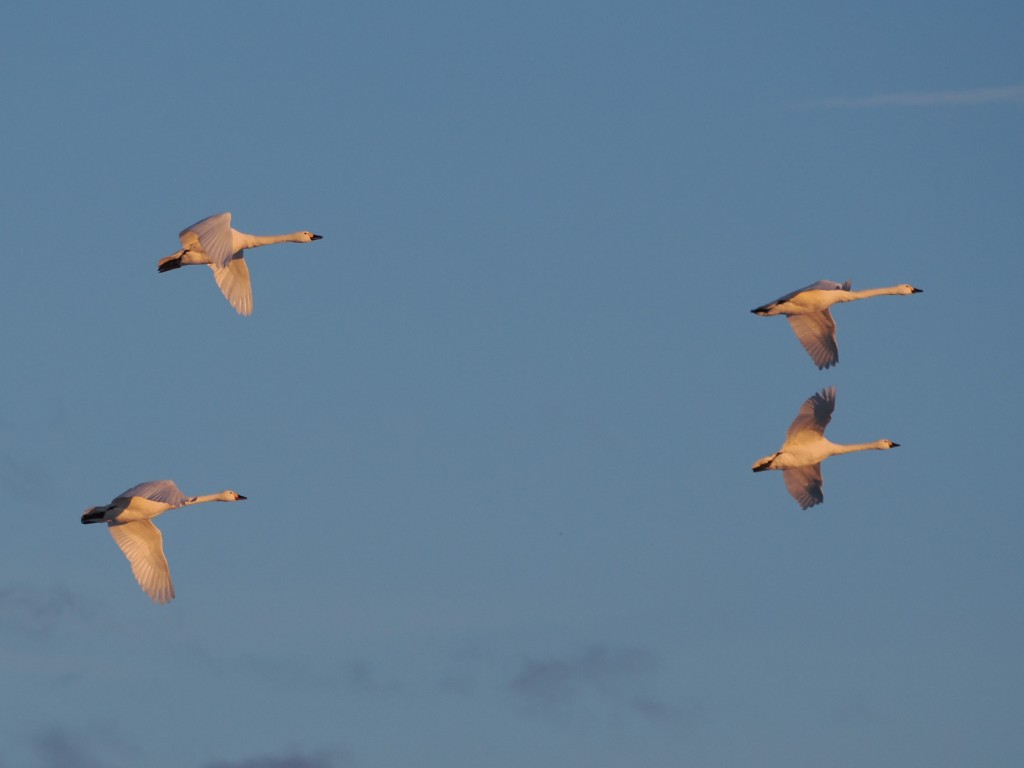
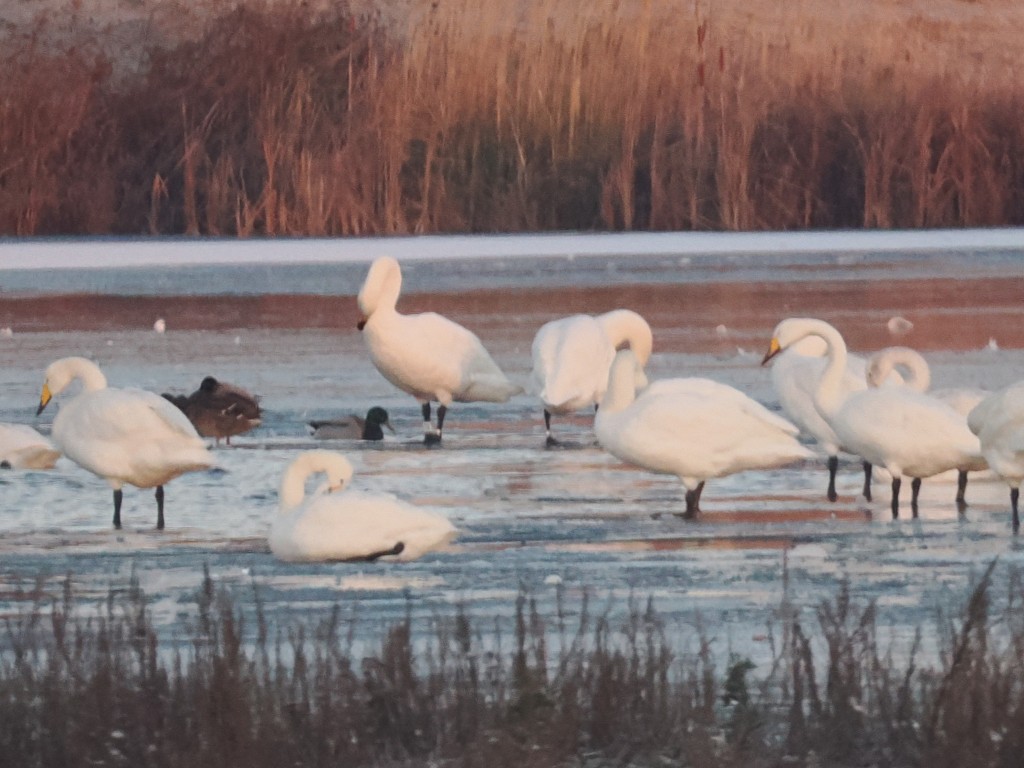
There’s something quietly majestic about a flock of swans settling on a wetland at dusk, their long necks curved like the finest calligraphy against a grey winter sky. For decades, Bewick’s Swans (Cygnus columbianus bewickii) have been one of those signature winter sights in the UK, touching down here each year after an astonishing journey from their Arctic breeding grounds in northern Russia. But in recent years that familiar scene has been fading.
At Slimbridge Wetland Centre in Gloucestershire, one of the best‑known wintering sites for these elegant birds and the focus of more than half a century of continuous study, the numbers this winter were starkly low. Only around 30 Bewick’s Swans were present in the 2025‑26 season, a tiny fraction of the hundreds that once arrived annually, and even fewer than the 87 counted the previous winter. Over the longer term, the decline is dramatic: counts at Slimbridge suggest an overall drop of around 86 % over the past 50 years, and other monitoring shows the wider north‑west European wintering population has more than halved since the mid‑1990s.
So what’s behind this downturn? A key piece of the story is a phenomenon known among scientists and birders as “short‑stopping.” As winters across northern Europe become milder due to climate change, increasing numbers of Bewick’s Swans are no longer flying the extra distance to reach British wetlands. Instead, they are stopping their migration earlier on, settling in ice‑free parts of Denmark, Germany and the Netherlands where food and unfrozen water remain available throughout the colder months. This shift saves energy and risk for the birds, but it means fewer reach the UK than in the past. Researchers estimate that thousands more swans are now wintering on the continent rather than crossing the North Sea to Britain.
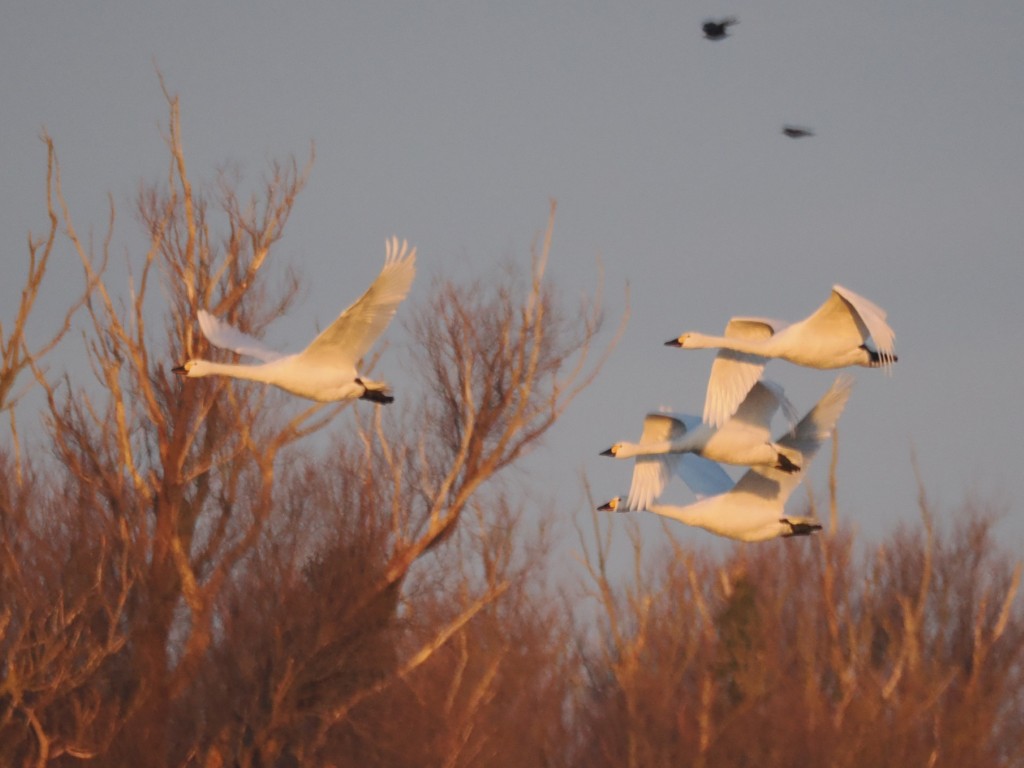
This change in migratory behaviour is driven by rising temperatures, but there are other pressures at play too. Bewick’s Swans face risks at multiple points in their annual cycle, from habitat loss on their breeding grounds and along stop‑over sites, to threats like lead poisoning and illegal shooting during migration. Even when they do reach traditional wintering areas, numbers of young birds (cygnets) have been consistently low, suggesting challenges in breeding success or survival.
The result is a species that is becoming increasingly scarce in Britain’s winter soundscape and skies. What was once a common spectacle at places like the Ouse Washes and Slimbridge now feels precious, fragile and, in ecological terms, precarious.
Conservationists and scientists are urging action on several fronts, from protecting and restoring wetland habitats to broader efforts to combat climate change and reduce threats like lead poisoning. The Bewick’s Swan is more than just a beautiful bird; it is a reminder of the delicate interconnections between climate, habitat and migration. If we are to continue seeing their graceful forms in UK winters, that story will need to have a very different ending from the one unfolding now.
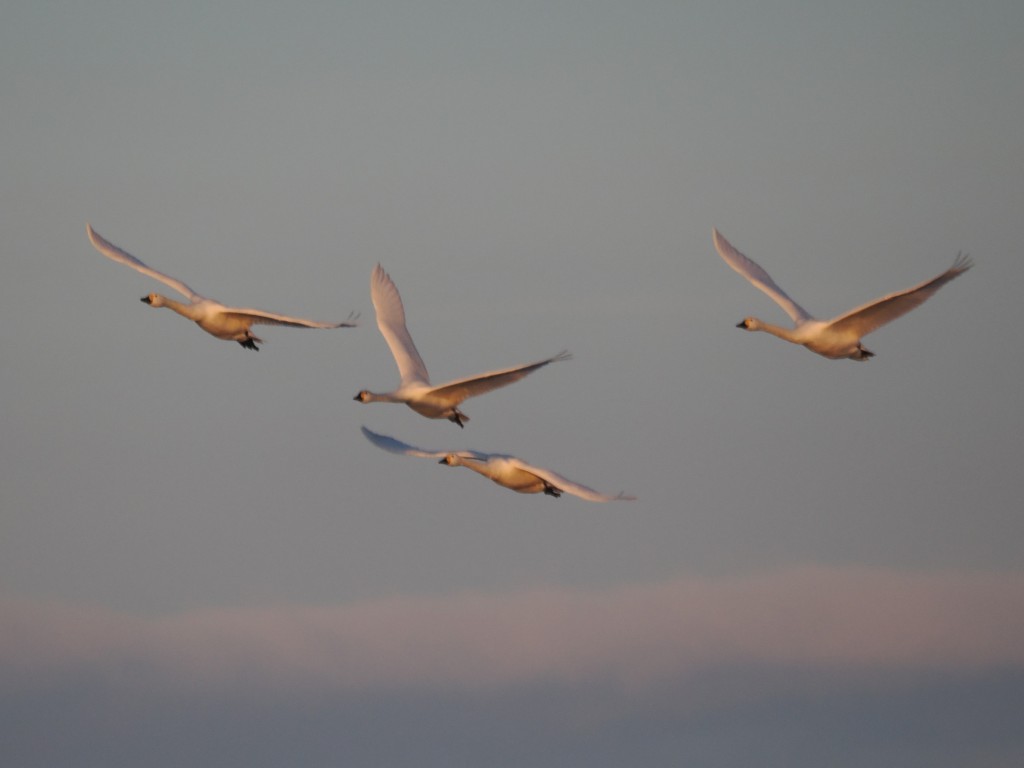
All photos take a Deeping Lakes, Lincolnshire January 2026


 Andrew Chick Ecology
Leave a comment