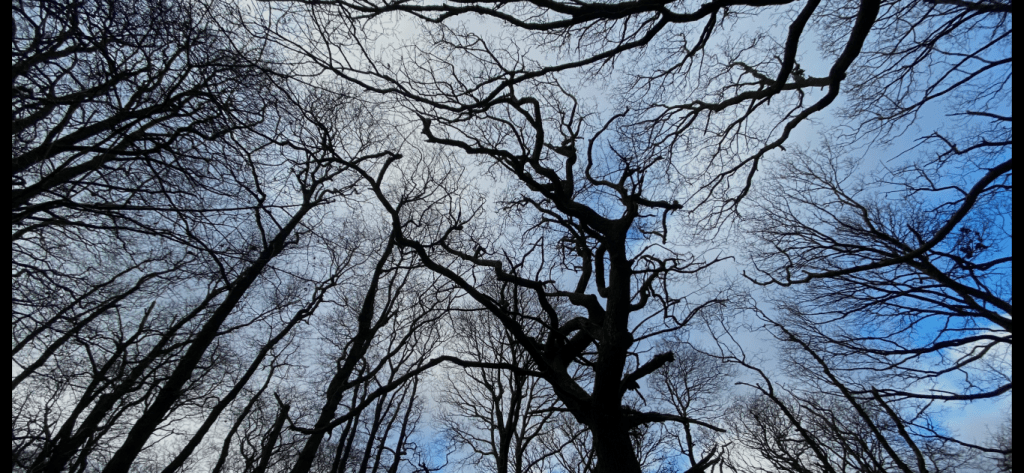
In a Cumbrian woodland during winter, you’ll find a variety of hardy wildlife that has adapted to the colder, quieter months. While some animals hibernate or migrate, others remain active and can be spotted more easily due to the absence of dense foliage. Here’s what to look out for:
Mammals
• Red squirrels: These iconic creatures are more visible in winter as they forage for food, especially in areas with Scots pine and other conifers.
• Deer: Roe deer and red deer are present in Cumbrian woodlands. They may be seen grazing in clearings or moving through quieter parts of the woods.
• Foxes: Active year-round, foxes are often seen at dawn or dusk. Look for tracks in the snow or muddy ground.
• Badgers: While they don’t fully hibernate, badgers spend much of winter underground. You may see their tracks or signs of foraging near sett entrances.
Birds
• Woodpeckers: Great spotted woodpeckers can be heard drumming on tree trunks as they establish territories.
• Robins, blackbirds, and thrushes: These ground-feeding birds are easier to spot as they forage for berries and insects.
• Finches and tits: Look for species like chaffinches, great tits, and blue tits in mixed woodland areas. Marsh Tits are often present in ‘nice’ oak woodland.
• Buzzards and kestrels: These birds of prey are often seen gliding overhead or perched on bare branches at the edge of woodland scanning for prey.
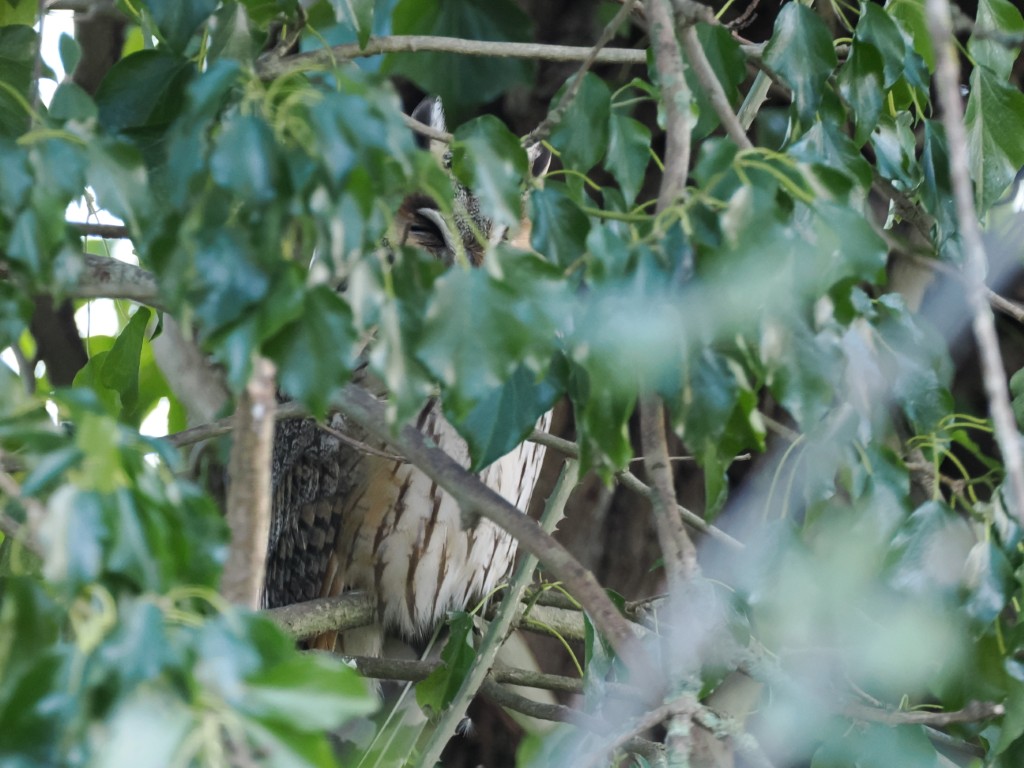
• Owls: Tawny owls are active at night, but you may hear their iconic calls as early as dusk. Check out large trees with thick Ivy growth.
Insects and Invertebrates
• Overwintering butterflies and moths: You might spot species like the peacock butterfly sheltering in crevices or under logs.
• Beetles and spiders: Ground beetles and orb-weaving spiders remain active, often found in leaf litter or under logs.
Signs of Wildlife
Even if you don’t see animals directly, look for signs like:
• Tracks and trails: Footprints of deer, foxes, and badgers are visible in mud or snow.
• Scat and droppings: Droppings can indicate the presence of foxes, deer, or rabbits.
• Gnawed cones and chewed nuts: Evidence of red squirrel activity.
• Birdsong: Many birds sing to defend winter feeding territories, especially robins and great tits.
With patience and quiet observation, you’ll be able to witness a rich tapestry of life in the wintry Cumbrian woodlands.

 Andrew Chick Ecology
Leave a comment