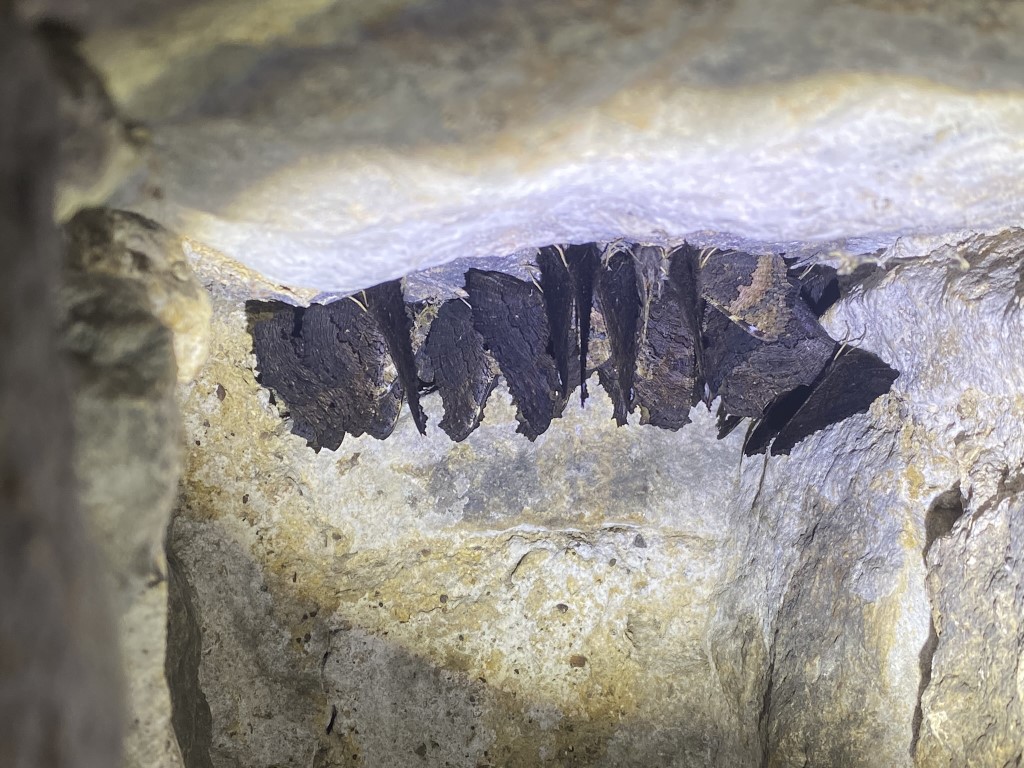
Peacock butterflies (Inachis io) hibernate as part of their survival strategy to cope with colder months when food sources are scarce. These butterflies are not able to survive the freezing temperatures of winter in their adult form, so they enter a state of hibernation, also known as diapause, during the cold months.
Hibernation provides several benefits:
- Survival in Low Temperatures: In their dormant state, peacock butterflies find sheltered locations like tree hollows, sheds, or under bark, where the temperature is milder, allowing them to avoid freezing.
- Lack of Food Sources: Butterflies primarily feed on nectar from flowers. During the winter, flowers are not blooming, and nectar is not available. By hibernating, the butterflies conserve energy until spring.
- Reproductive Cycle: By hibernating in the adult form, peacock butterflies are able to emerge in early spring, when the climate is more suitable for reproduction. This timing allows them to take advantage of the first wave of flowering plants to feed and mate.
Thus, hibernation is essential for the butterfly’s life cycle, enabling them to survive and reproduce in climates with cold winters.






Leave a Reply