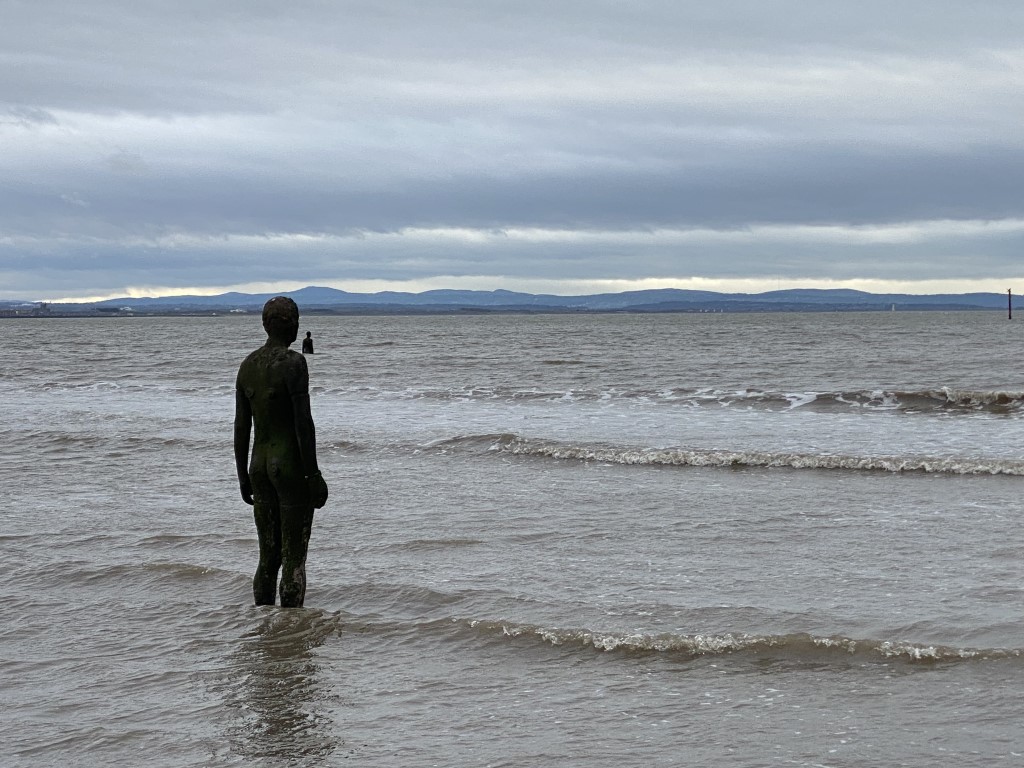
Crosby Shore forms part of the Ribble and Alt Estuaries SPA, and its intertidal mudflats are important feeding habitat for wintering waders. In particular, the ecological assessment associated with Another Place identified Bar-tailed Godwit and Sanderling as important receptors, with the lower shore providing principal feeding areas.
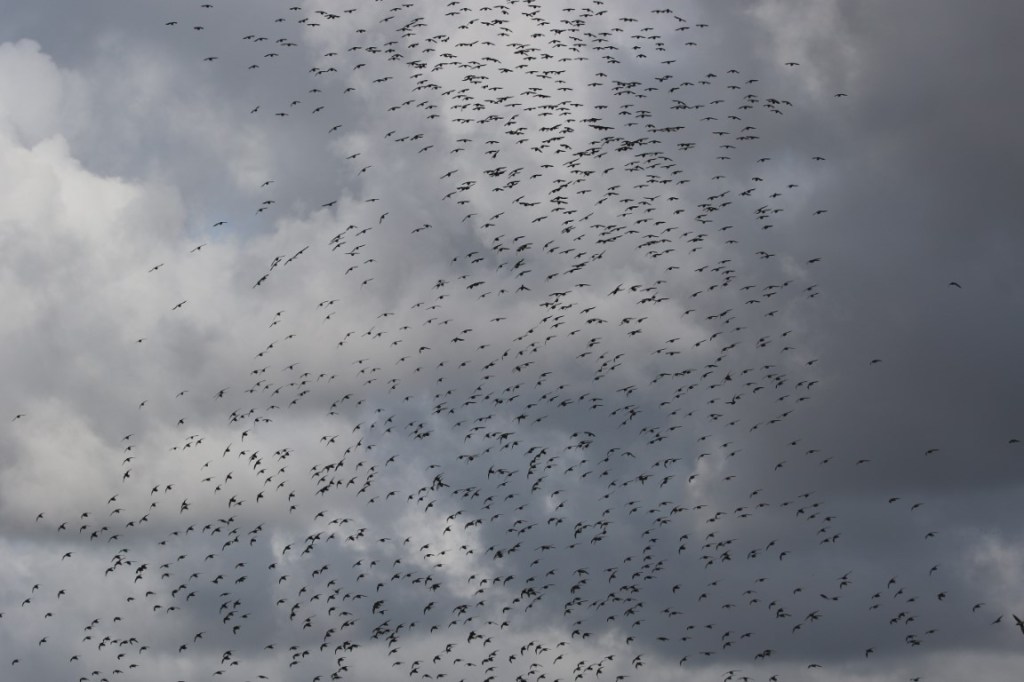
Photo – Knot and Bar-tailed Godwit over Crosby Beach (c) Andrew P. Chick
The planning assessment concluded that the physical footprint of the sculptures and associated scour represented a very small loss of habitat, and importantly that there was no measurable impact of the statues themselves on the mudflats or feeding areas. The assessment also reported no visible evidence that birds were avoiding the sculptures.
The principal concern was that Another Place would attract substantially more visitors to Crosby Beach and encourage some of them to walk farther out across the intertidal flats to reach the more distant figures.
That matters because people, and particularly people accompanied by dogs, can cause feeding waders to stop feeding, walk away or take flight. Repeated disturbance increases energetic expenditure while simultaneously reducing feeding time, potentially affecting the birds’ ability to maintain condition during winter.
This was explicitly identified during the planning process as the key ecological issue associated with the installation.
The eventual permanent installation therefore incorporated ecological mitigation. Most significantly, figures were excluded from the principal lower-shore wader feeding areas, and long-term bird monitoring and visitor management/awareness were recommended.
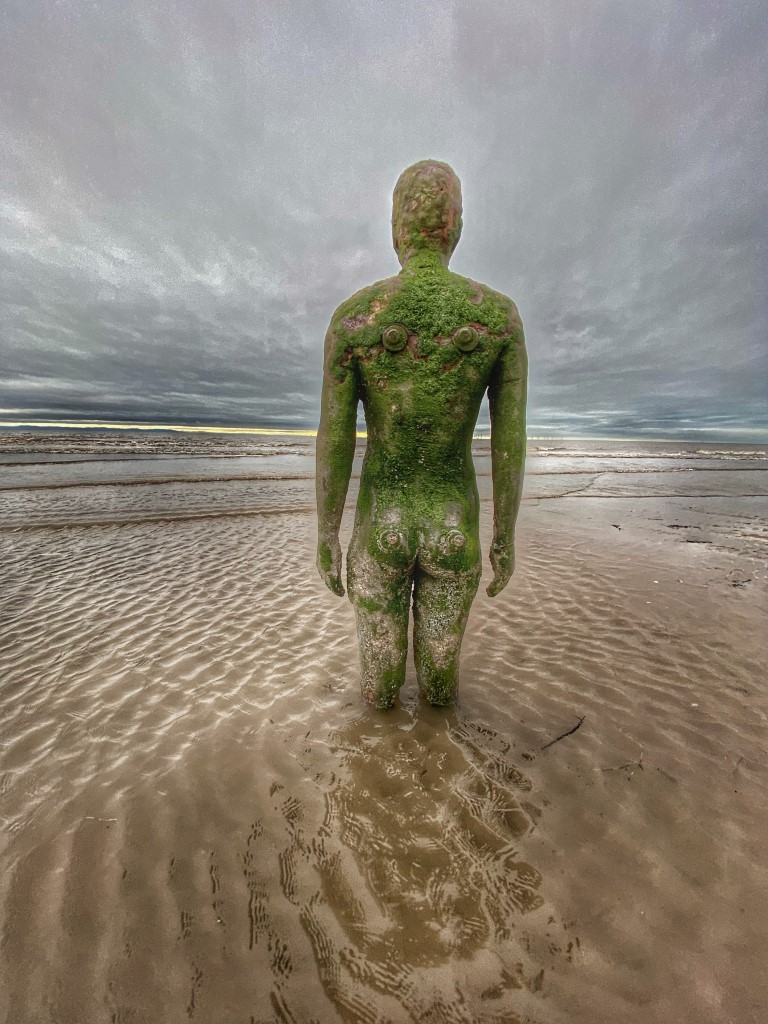
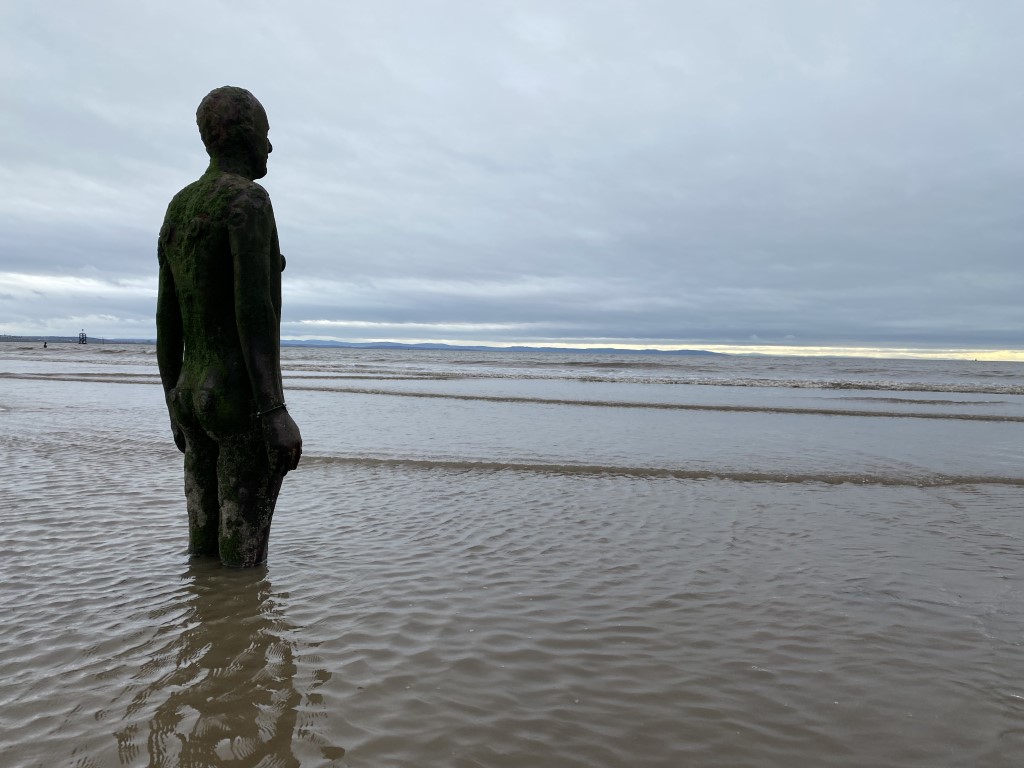
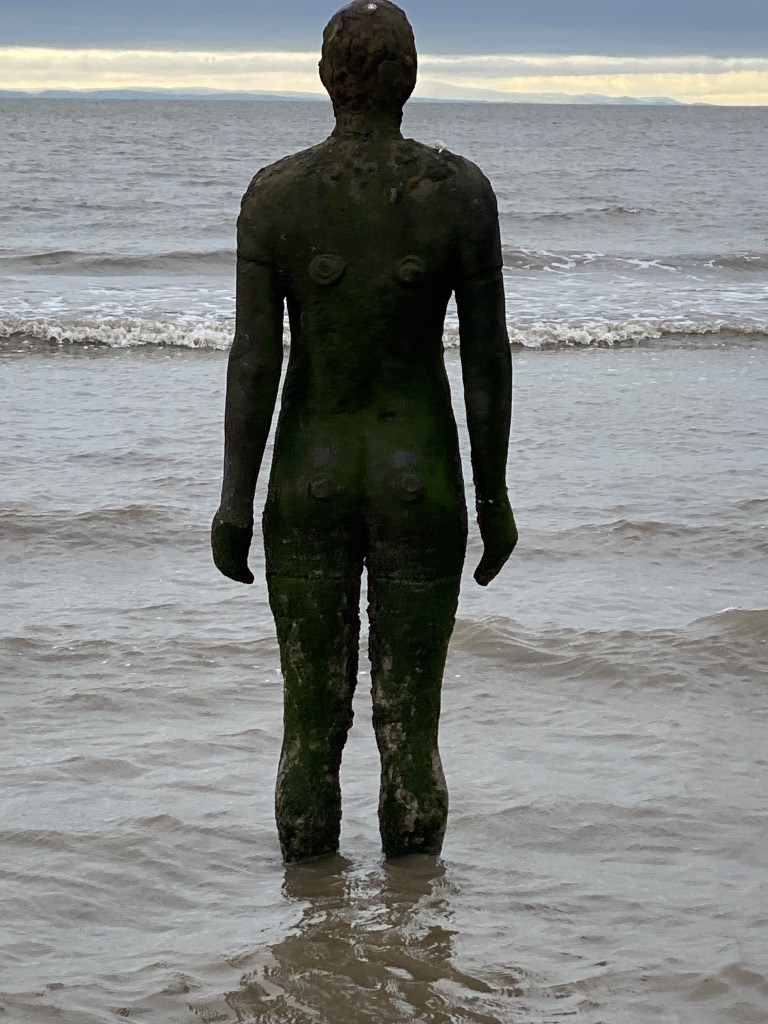
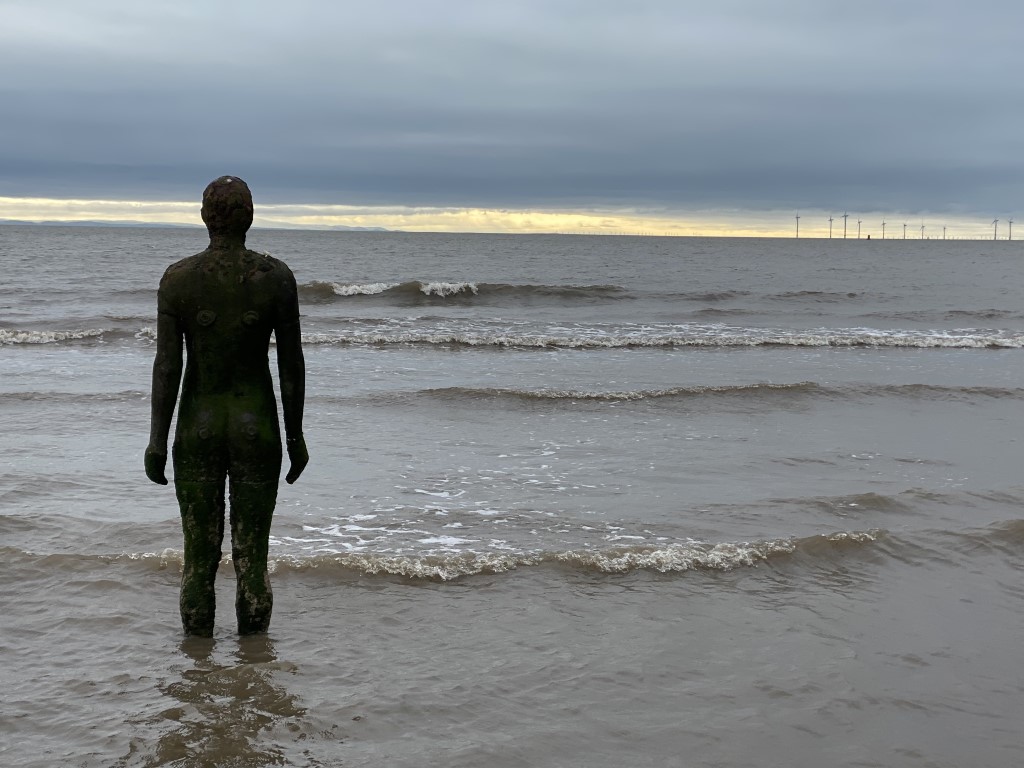
All photos (c) Andrew P. Chick


Leave a Reply