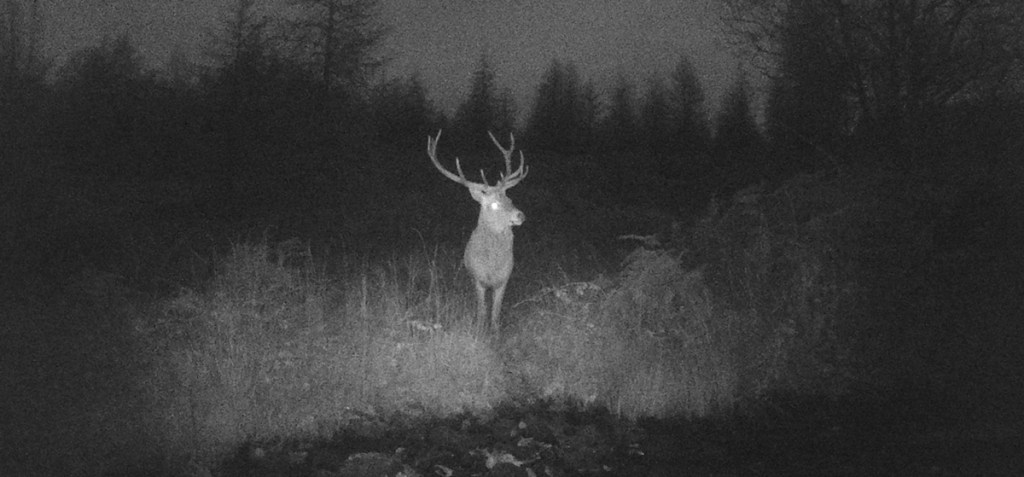
The Red Deer (Cervus elaphus) is Britain’s largest native land mammal and has a long association with the Lake District. The fells and valleys support an important native population, particularly in parts of the central and northern Lakes. The Lake District National Park regards Red Deer, along with Roe Deer, as an important part of the area’s natural and cultural heritage. Of particular conservation importance is maintaining the genetic integrity of the native Red Deer population by limiting contact and hybridisation with non-native Sika Deer.
Despite their importance, too many deer can have a significant ecological impact. Red Deer browse young trees and shrubs and, at high densities, can prevent natural woodland regeneration. Repeated browsing and trampling can also alter woodland structure, damage ground vegetation and reduce the diversity of plants and the animals that depend upon them. This is particularly significant in the Lake District, where considerable effort and public money are being invested in woodland restoration, natural regeneration and nature recovery.
For this reason, some landowners receive public funding for deer control and management. Under the current Countryside Stewardship Higher Tier scheme, eligible land can receive £105 per hectare per year where native or naturalised deer, including Red Deer, are damaging priority habitats or species. Payment is not simply a bounty for shooting deer: participating landowners must undertake agreed monitoring, habitat assessments and the level of culling specified in an approved species management plan.
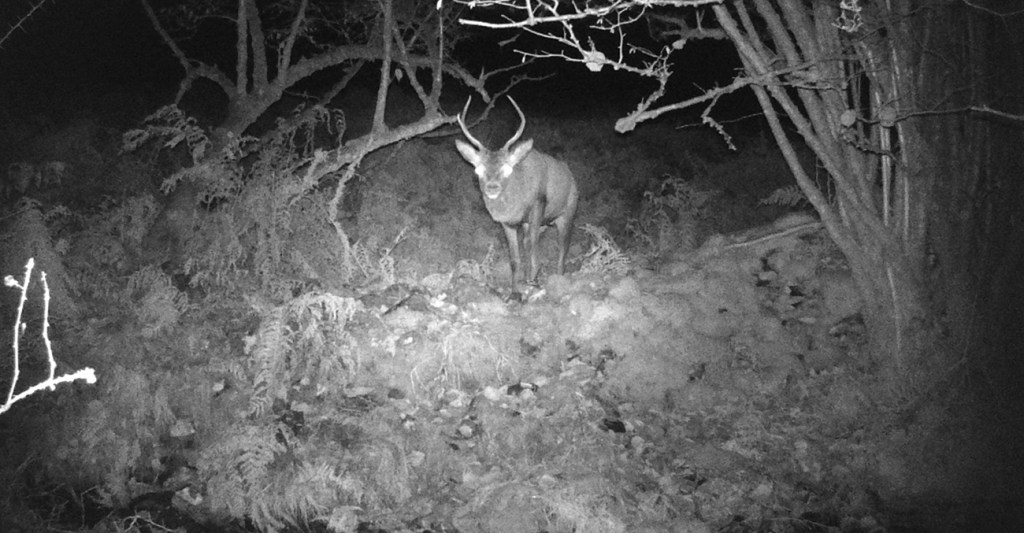
Culling is therefore principally a form of habitat management. Britain no longer has the large natural predators that historically helped regulate deer populations, while fencing and deterrents alone are generally considered insufficient to control deer across large landscapes. The aim is not to eliminate native Red Deer from the Lake District, but to maintain populations at levels at which deer and recovering woodlands can coexist. The Lake District’s new Wild Deer Management Strategy consequently promotes coordinated management between neighbouring landowners, conservation organisations, farmers and deer stalkers, recognising that deer readily move across ownership boundaries.
Where deer are culled, suitable carcasses can enter the food chain as wild venison, and the Lake District partnership is developing a local wild-venison initiative intended to make productive use of animals taken as part of responsible population management.



Leave a comment