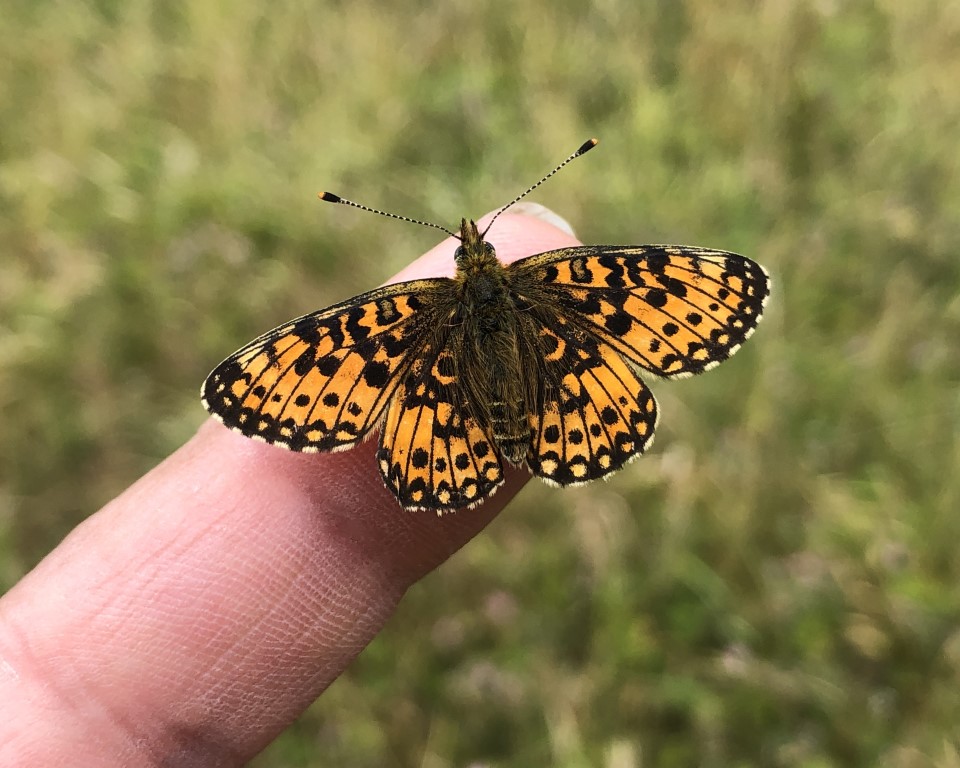
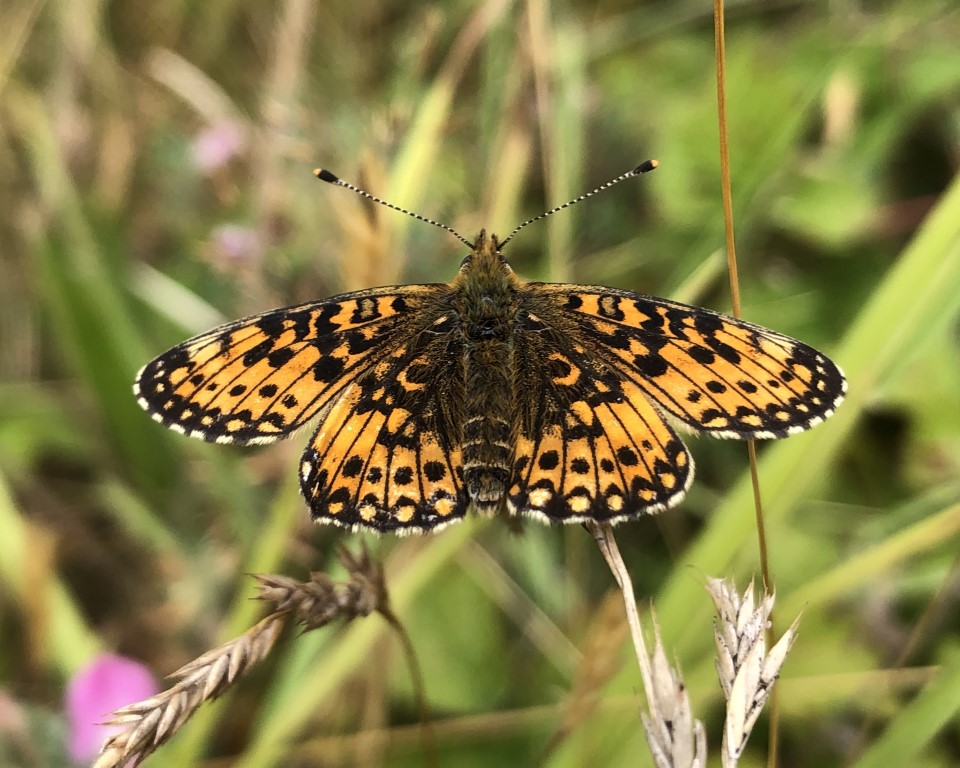
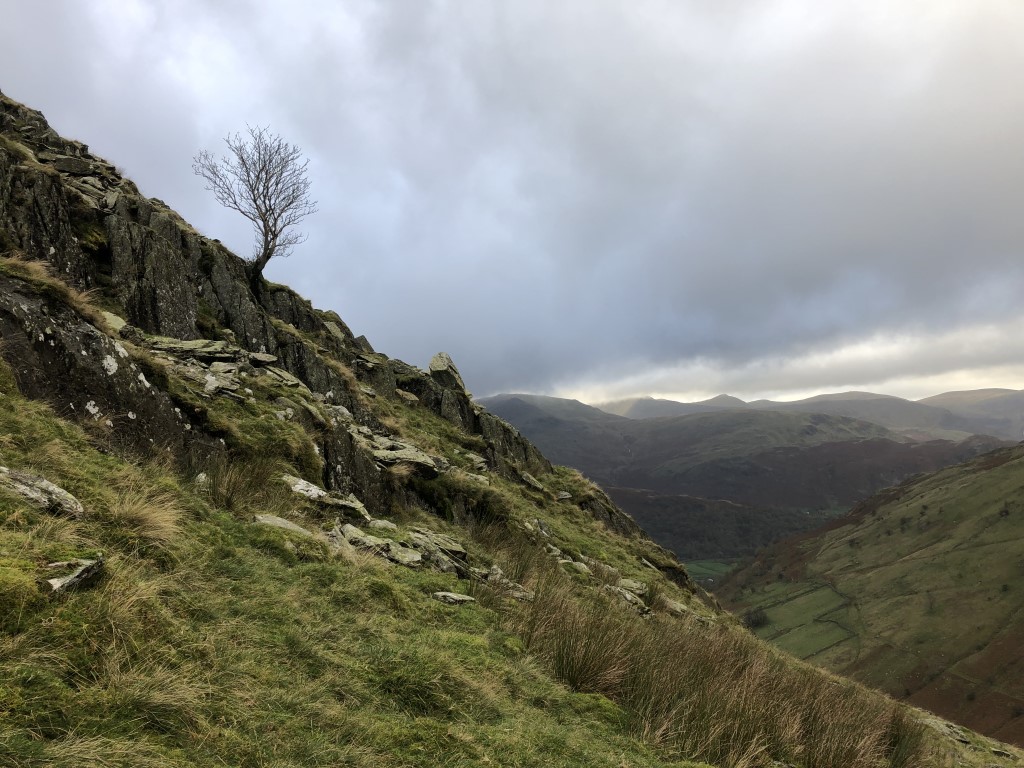
The Small Pearl-bordered Fritillary (Boloria selene) is an attractive orange-and-black butterfly of damp, flower-rich habitats, including woodland clearings, moorland edges, wet grassland and sheltered hillsides. The name comes from the row of distinctive pearly-white markings on the underside of the hindwings.
Once much more widespread in Britain, the species has undergone a substantial decline, largely through the loss and fragmentation of suitable habitat and changes in woodland and grassland management. It is now much more localised, although parts of northern and western Britain remain important strongholds.
The caterpillars feed mainly on violets, particularly Marsh Violet and Common Dog-violet, and the butterfly requires warm, sheltered areas with abundant foodplants growing amongst relatively open vegetation. Adults are usually on the wing from late May through June and July, although timing varies with location and weather.
Maintaining a varied habitat structure through appropriate grazing, cutting or woodland management is important for its conservation. Where Small Pearl-bordered Fritillaries occur, they can be a valuable indicator of well-managed, species-rich habitats supporting a much wider range of plants and invertebrates.



Leave a comment