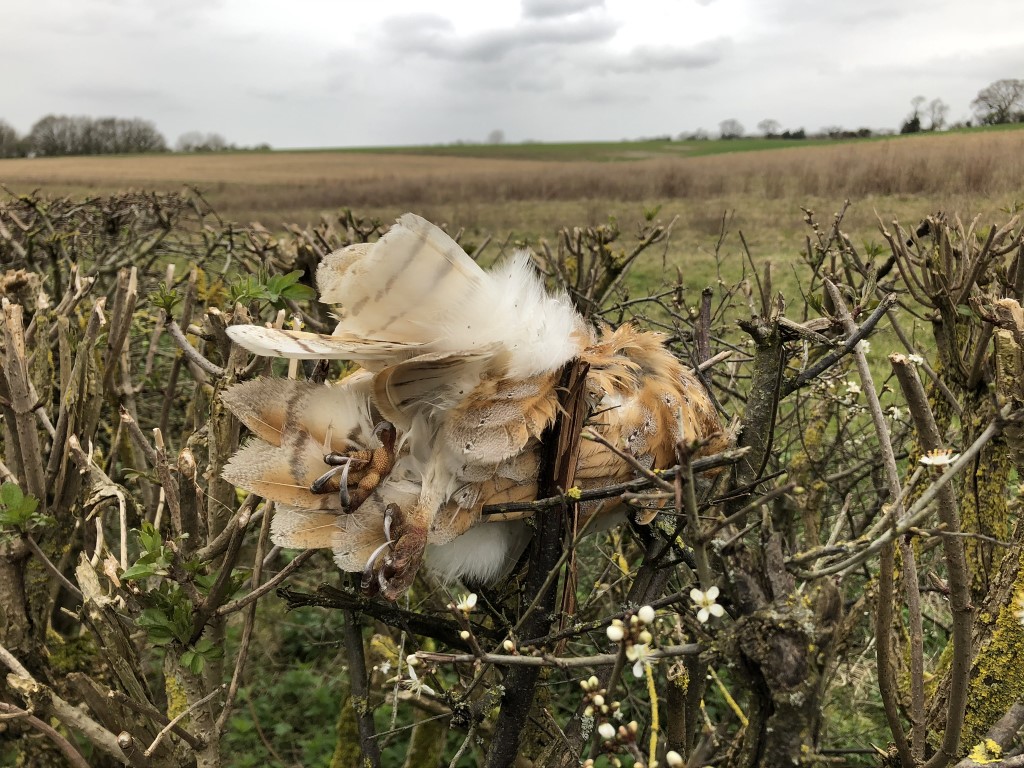
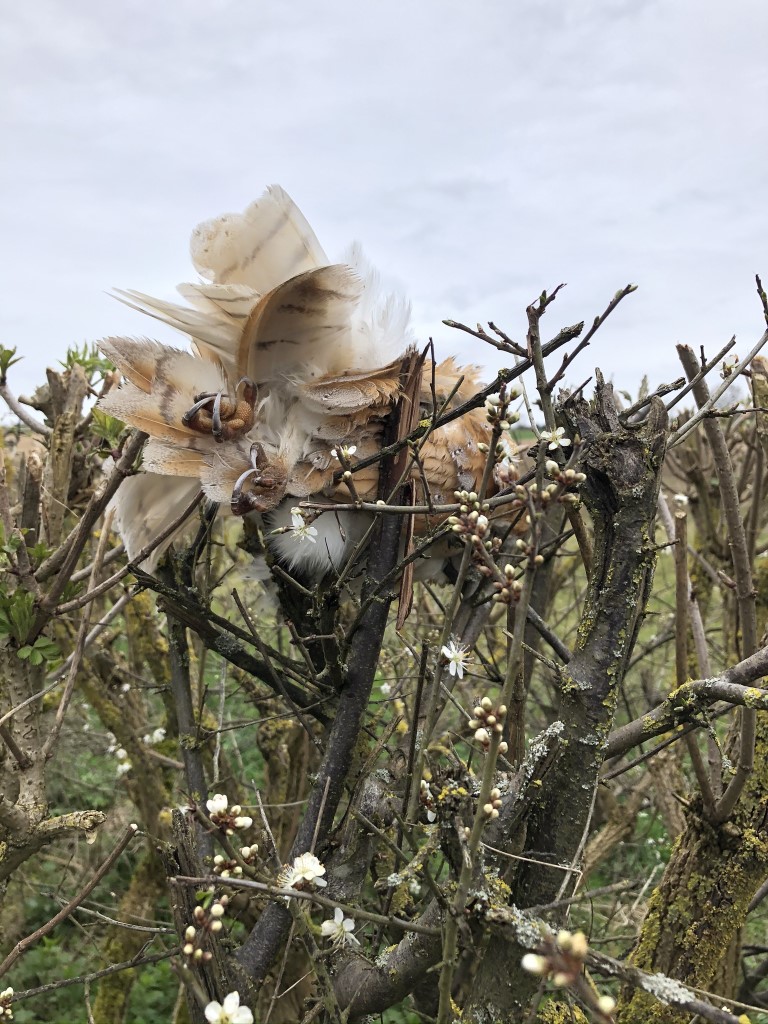
Barn Owls are particularly vulnerable to road traffic collisions because of their characteristic low hunting flight. Road verges can support good populations of small mammals, attracting owls to hunt alongside busy roads. When an owl crosses the carriageway, its normal flight height can bring it directly into the path of vehicles. Young birds may be especially vulnerable as they disperse from their natal areas.
For this reason, placing Barn Owl nest boxes close to busy roads can be counterproductive. Although providing a box may appear to be a positive conservation measure, encouraging a pair to breed near a major road potentially exposes both the adults and their dispersing young to an increased risk of collision. The Barn Owl Trust recommends that nest boxes should not normally be erected within 1 km of a motorway, dual carriageway or similar fast, unscreened major road.
Nest boxes should therefore be targeted at locations with suitable rough-grassland foraging habitat well away from major roads. Simply putting up more boxes is not necessarily good conservation; putting them in the right places, where Barn Owls and their young have the best chance of surviving, is far more important.



Leave a comment